-
Shop
- Advanced Technologies
- AI Skills
- Bathroom
- Best-Sellers
- Car Accessories
- Confidence
- Dating & Social Skills
- Digital Resources
- AI & Technology
- Beauty
- Budgeting & Saving
- Car Buying & Ownership
- Cozy Feast Collection
- Electronics & Technology
- Entrepreneurship & Business Growth
- Financial Education
- Financial Independence
- Financial Mindset & Psychology
- Goal Setting
- Home Styling & Organization
- Kitchen & Recipes
- Leadership
- Mindfulness
- Mindset
- Online Business
- Parenting & Child Development
- Personal Style & Fashion
- Pet Lifestyle & Wellness
- Positive Thinking
- Sleep Improvement
- Smart Life with AI
- Stress Management & Relaxation
- Travel Planning
- Wellness
- Yoga & Fitness
- Yoga & Mind-Body Practices
- Education & Learning
- Family & Parenting
- Fashion
- Accessories
- Alexander McQueen
- Bags
- Bags & Wallets
- Balenciaga
- Belts
- Blazers
- Bottega Veneta
- Bottoms
- Brunello Cucinelli
- Burberry
- Chanel
- Chloé
- Dior
- Dolce & Gabbana
- Dresses
- Etro
- Fendi
- Gucci
- Hats & Hair Accessories
- Hoodies & Sweatshirts
- Jacquemus
- Jewelry
- Jil Sander
- Kiton
- Luggage
- Miu Miu
- Off-White
- Outerwear
- Prada
- Rick Owens
- Saint Laurent
- Shoes
- Socks & Tights
- Sweaters & Cardigans
- The Row
- Tom Ford
- Tops & Shirts
- Valentino
- Valentino Garavani
- Versace
- Vivienne Westwood
- Watches
- Fashion Accessories
- Furniture
- Gadgets
- Health & Beauty
- Health & Wellness
- Home & Garden
- Home Decor
- Home Electronics
- Home Supplies
- Kids & Babies
- Kitchen
- Kitchen Best-Sellers
- Lighting
- Patio, Lawn & Garden
- Personal Growth
- Pet Care
- Pet Supplies
- Pets
- Sport & Outdoors
- Super Deals
- Travel
- Travel & Adventure
- Wealth
- Popular
- Best deals
Seeing Galaxies With a Refractor Telescope: A Guide
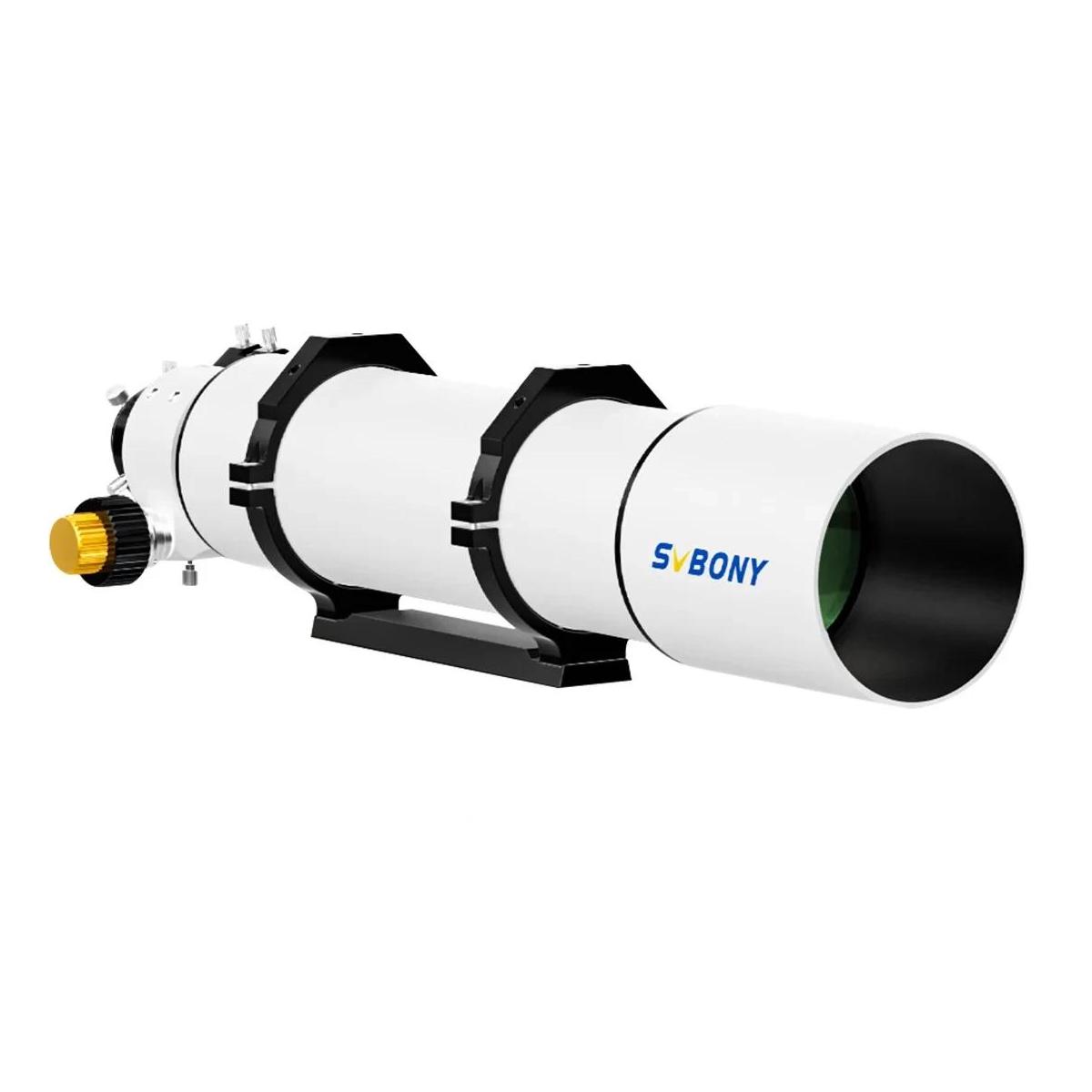
Can you see galaxies with a refractor telescope?
Yes. A refractor telescope can show you galaxies, especially bright targets such as the Andromeda Galaxy and the Bode’s Galaxy pair. Through the eyepiece, most galaxies look like faint, soft patches of light rather than the colorful, detailed objects seen in long-exposure photographs.
A 102mm refractor gathers enough light for rewarding views of brighter galaxies. What you see depends heavily on sky darkness, transparency, and your observing experience. Under city lights, even a bright galaxy may show only its central glow; under dark skies, its visible extent can be much larger.
Which galaxies should you look for first?
We suggest starting with the Andromeda Galaxy, also known as M31. It is large and relatively bright, making it a useful first target from the Northern Hemisphere. A low-power eyepiece gives you a wider field of view, which helps you find it and take in more of its spread.
M81 and M82, often called Bode’s Galaxy and the Cigar Galaxy, are another pair to try when they are well placed in the sky. M81 generally appears as an oval glow, while M82 has a narrower shape. Both benefit from a dark observing location.
What equipment helps with galaxy viewing?
Start with a low-power eyepiece and a stable mount. Low power makes finding objects easier and keeps extended galaxies from becoming unnecessarily dim. Once you have located a target, try moderate magnification to see whether its shape or brighter core becomes easier to distinguish.
A star chart or astronomy app can help you navigate to the right area. A red flashlight preserves your dark adaptation better than a bright white light, and giving your eyes time to adjust to darkness can make faint objects easier to detect.
If you are considering a versatile refractor, explore our guide to a 102mm achromatic refractor for deep-sky and planetary observation. Our team recommends balancing aperture, portability, and mount stability with the kinds of objects you want to observe.
How can you get a better view?
Choose a moonless night and observe away from bright lights when possible. Let the galaxy rise well above the horizon, where you look through less atmosphere. Try averted vision: look slightly to one side of the faint glow rather than staring directly at it. With patience, subtle differences in shape and brightness can become more noticeable.
FAQ
Do light-pollution filters make galaxies easier to see?
Usually, dark skies help more. Many light-pollution filters also reduce some of a galaxy’s light, so they may not improve the view as much as moving away from bright outdoor lighting.
Recommended for you


Why Can’t Cats Climb Back Down Trees?
Nov 20, 2026













Leave a comment