-
Shop
- Advanced Technologies
- AI Skills
- Bathroom
- Best-Sellers
- Car Accessories
- Confidence
- Dating & Social Skills
- Digital Resources
- AI & Technology
- Beauty
- Budgeting & Saving
- Car Buying & Ownership
- Cozy Feast Collection
- Electronics & Technology
- Entrepreneurship & Business Growth
- Financial Education
- Financial Independence
- Financial Mindset & Psychology
- Goal Setting
- Home Styling & Organization
- Kitchen & Recipes
- Leadership
- Mindfulness
- Mindset
- Online Business
- Parenting & Child Development
- Personal Style & Fashion
- Pet Lifestyle & Wellness
- Positive Thinking
- Sleep Improvement
- Smart Life with AI
- Stress Management & Relaxation
- Travel Planning
- Wellness
- Yoga & Fitness
- Yoga & Mind-Body Practices
- Education & Learning
- Family & Parenting
- Fashion
- Accessories
- Alexander McQueen
- Bags
- Bags & Wallets
- Balenciaga
- Belts
- Blazers
- Bottega Veneta
- Bottoms
- Brunello Cucinelli
- Burberry
- Chanel
- Chloé
- Dior
- Dolce & Gabbana
- Dresses
- Etro
- Fendi
- Gucci
- Hats & Hair Accessories
- Hoodies & Sweatshirts
- Jacquemus
- Jewelry
- Jil Sander
- Kiton
- Luggage
- Miu Miu
- Off-White
- Outerwear
- Prada
- Rick Owens
- Saint Laurent
- Shoes
- Socks & Tights
- Sweaters & Cardigans
- The Row
- Tom Ford
- Tops & Shirts
- Valentino
- Valentino Garavani
- Versace
- Vivienne Westwood
- Watches
- Fashion Accessories
- Furniture
- Gadgets
- Health & Beauty
- Health & Wellness
- Home & Garden
- Home Decor
- Home Electronics
- Home Supplies
- Kids & Babies
- Kitchen
- Kitchen Best-Sellers
- Lighting
- Patio, Lawn & Garden
- Personal Growth
- Pet Care
- Pet Supplies
- Pets
- Sport & Outdoors
- Super Deals
- Travel
- Travel & Adventure
- Wealth
- Popular
- Best deals
Best Payment Solutions for Small Businesses

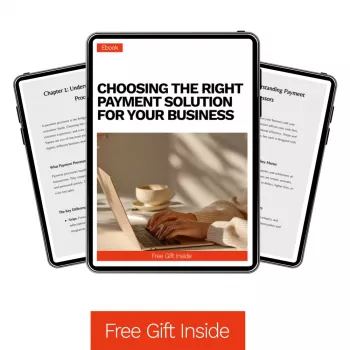
What is the best payment solution for a small business?
The best payment solution is the one that fits how you sell, how your customers prefer to pay, and how much work you want to do behind the scenes. For many small businesses, Square is a practical starting point for in-person sales, while Stripe is a strong choice for online businesses that need flexible payment tools.
We recommend looking beyond the headline transaction rate. Your total cost and day-to-day experience also depend on hardware, software subscriptions, payout timing, and the tools you need to manage sales.
How do you choose between Square and Stripe?
Square is well suited to stores, service providers, and pop-up vendors that need a straightforward point-of-sale system. It brings card acceptance, sales tracking, and other business tools together, with hardware options for accepting payments in person.
Stripe is especially useful for businesses selling online or building a customized checkout. It offers tools for subscriptions, invoicing, and payment integrations, although more complex setups may require technical help.
For a closer comparison, read our guide to choosing between Stripe and Square.
What should you compare before signing up?
- Payment methods: Make sure you can accept the cards, digital wallets, and other payment types your customers use.
- Total fees: Review processing rates alongside monthly charges, hardware costs, chargeback fees, and any extra service fees.
- Sales channels: Choose a system that supports your mix of online checkout, invoices, appointments, and in-person transactions.
- Business tools: Consider whether you need inventory tracking, recurring billing, employee access, or accounting integrations.
- Support and payouts: Check when funds become available and how you can get help if a payment is disputed or an account issue arises.
Our team suggests starting with the essentials you need today, then choosing a provider that can accommodate your next stage of growth. A simple setup can be more valuable than a long feature list you will not use.
FAQ
What are the best payment processing solutions for small businesses?
Square and Stripe are strong options: Square is convenient for in-person selling, while Stripe offers flexibility for online payments. PayPal and traditional merchant account providers may also be worth comparing based on your sales channels and costs.
Is Zelle or Venmo better for small business?
Venmo business profiles can be useful when customers want to pay through Venmo, while Zelle may suit businesses that prefer direct bank transfers and have access through a participating financial institution. Compare business eligibility, fees, and dispute options before using either as your primary payment method.
Recommended for you

Should I Use Stripe or Square for My Business?
Nov 20, 2026
Why Is Stripe Better Than Square? Key Advantages
Nov 20, 2026













Leave a comment