-
Shop
- Advanced Technologies
- AI Skills
- Bathroom
- Best-Sellers
- Car Accessories
- Confidence
- Dating & Social Skills
- Digital Resources
- AI & Technology
- Beauty
- Budgeting & Saving
- Car Buying & Ownership
- Cozy Feast Collection
- Electronics & Technology
- Entrepreneurship & Business Growth
- Financial Education
- Financial Independence
- Financial Mindset & Psychology
- Goal Setting
- Home Styling & Organization
- Kitchen & Recipes
- Leadership
- Mindfulness
- Mindset
- Online Business
- Parenting & Child Development
- Personal Style & Fashion
- Pet Lifestyle & Wellness
- Positive Thinking
- Sleep Improvement
- Smart Life with AI
- Stress Management & Relaxation
- Travel Planning
- Wellness
- Yoga & Fitness
- Yoga & Mind-Body Practices
- Education & Learning
- Family & Parenting
- Fashion
- Accessories
- Alexander McQueen
- Bags
- Bags & Wallets
- Balenciaga
- Belts
- Blazers
- Bottega Veneta
- Bottoms
- Brunello Cucinelli
- Burberry
- Chanel
- Chloé
- Dior
- Dolce & Gabbana
- Dresses
- Etro
- Fendi
- Gucci
- Hats & Hair Accessories
- Hoodies & Sweatshirts
- Jacquemus
- Jewelry
- Jil Sander
- Kiton
- Luggage
- Miu Miu
- Off-White
- Outerwear
- Prada
- Rick Owens
- Saint Laurent
- Shoes
- Socks & Tights
- Sweaters & Cardigans
- The Row
- Tom Ford
- Tops & Shirts
- Valentino
- Valentino Garavani
- Versace
- Vivienne Westwood
- Watches
- Fashion Accessories
- Furniture
- Gadgets
- Health & Beauty
- Health & Wellness
- Home & Garden
- Home Decor
- Home Electronics
- Home Supplies
- Kids & Babies
- Kitchen
- Kitchen Best-Sellers
- Lighting
- Patio, Lawn & Garden
- Personal Growth
- Pet Care
- Pet Supplies
- Pets
- Sport & Outdoors
- Super Deals
- Travel
- Travel & Adventure
- Wealth
- Popular
- Best deals
Is It Too Late to Save My Dog’s Teeth? What to Do
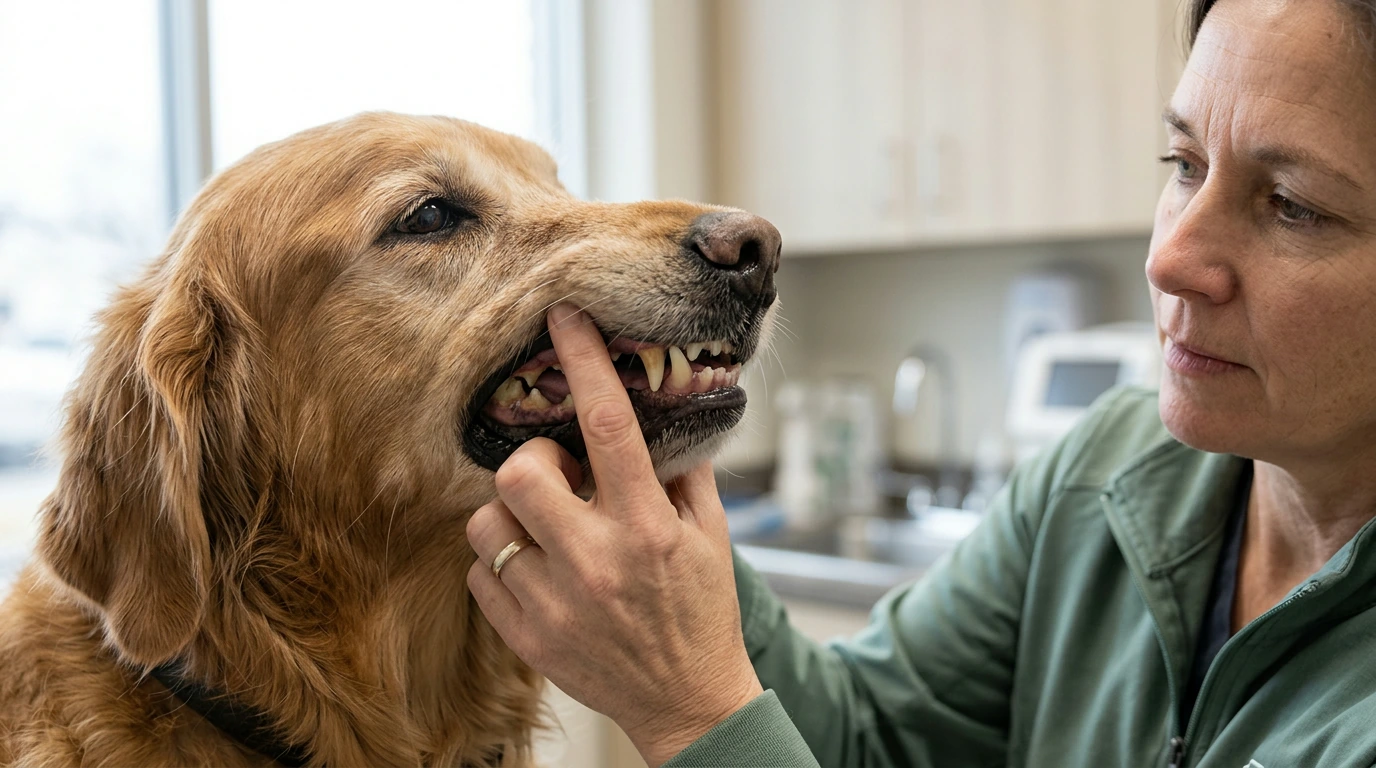
Is it too late to save my dog’s teeth?
It is often not too late to improve your dog’s dental health, even if you notice bad breath, tartar, or irritated gums. The first step is a veterinary dental exam. Your veterinarian can determine which teeth are healthy, which may need treatment, and whether any are too damaged to save.
Periodontal disease can progress below the gumline, where you cannot see it. A professional cleaning and dental X-rays may be needed to assess the damage. Some teeth may require extraction, but removing painful or infected teeth can make your dog much more comfortable.
What signs mean your dog needs dental care?
Persistent bad breath, yellow or brown buildup, red or bleeding gums, and difficulty chewing are reasons to schedule a veterinary visit. You may also notice drooling, pawing at the mouth, dropped food, or a preference for chewing on one side. Some dogs show few obvious signs despite having dental pain.
Contact your veterinarian promptly if you see facial swelling, significant bleeding, a broken tooth, or your dog stops eating. Do not try to scrape tartar off teeth or remove a loose tooth yourself.
Can brushing reverse dental disease?
Brushing helps remove soft plaque before it hardens into tartar, but it cannot remove established tartar or reverse damage to the tissues supporting a tooth. If your dog’s mouth is sore, ask your veterinarian when it is comfortable to begin brushing. Starting too soon can cause pain and make future care harder.
Once your veterinarian gives you the go-ahead, introduce a soft dog toothbrush and dog-safe toothpaste gradually. Let your dog taste the toothpaste, then gently lift the lip and brush the outer surfaces of a few teeth. Work toward daily brushing as your dog becomes comfortable. Never use human toothpaste, which can contain ingredients that are unsafe for dogs.
What dental products can help?
Our team recommends choosing dental chews sized for your dog and supervising every chewing session. Avoid very hard items that could fracture teeth. Dental diets, chews, and water additives carrying the Veterinary Oral Health Council (VOHC) seal can help control plaque or tartar, but they do not replace brushing or veterinary care.
For a practical routine, explore our guide to at-home pet dental care. Consistent care after treatment can help protect the teeth your dog has left.
FAQ
Does my dog need anesthesia for a dental cleaning?
A thorough veterinary dental cleaning typically requires general anesthesia so the team can safely clean below the gumline, examine the mouth, and take dental X-rays. Your veterinarian can discuss anesthesia risks and precautions for your dog.
Recommended for you


Should I Use Stripe or Square for My Business?
Nov 20, 2026













Leave a comment