-
Shop
- Advanced Technologies
- AI Skills
- Bathroom
- Best-Sellers
- Car Accessories
- Confidence
- Dating & Social Skills
- Digital Resources
- AI & Technology
- Beauty
- Budgeting & Saving
- Car Buying & Ownership
- Cozy Feast Collection
- Electronics & Technology
- Entrepreneurship & Business Growth
- Financial Education
- Financial Independence
- Financial Mindset & Psychology
- Goal Setting
- Home Styling & Organization
- Kitchen & Recipes
- Leadership
- Mindfulness
- Mindset
- Online Business
- Parenting & Child Development
- Personal Style & Fashion
- Pet Lifestyle & Wellness
- Positive Thinking
- Sleep Improvement
- Smart Life with AI
- Stress Management & Relaxation
- Travel Planning
- Wellness
- Yoga & Fitness
- Yoga & Mind-Body Practices
- Education & Learning
- Family & Parenting
- Fashion
- Accessories
- Alexander McQueen
- Bags
- Bags & Wallets
- Balenciaga
- Belts
- Blazers
- Bottega Veneta
- Bottoms
- Brunello Cucinelli
- Burberry
- Chanel
- Chloé
- Dior
- Dolce & Gabbana
- Dresses
- Etro
- Fendi
- Gucci
- Hats & Hair Accessories
- Hoodies & Sweatshirts
- Jacquemus
- Jewelry
- Jil Sander
- Kiton
- Luggage
- Miu Miu
- Off-White
- Outerwear
- Prada
- Rick Owens
- Saint Laurent
- Shoes
- Socks & Tights
- Sweaters & Cardigans
- The Row
- Tom Ford
- Tops & Shirts
- Valentino
- Valentino Garavani
- Versace
- Vivienne Westwood
- Watches
- Fashion Accessories
- Furniture
- Gadgets
- Health & Beauty
- Health & Wellness
- Home & Garden
- Home Decor
- Home Electronics
- Home Supplies
- Kids & Babies
- Kitchen
- Kitchen Best-Sellers
- Lighting
- Patio, Lawn & Garden
- Personal Growth
- Pet Care
- Pet Supplies
- Pets
- Sport & Outdoors
- Super Deals
- Travel
- Travel & Adventure
- Wealth
- Popular
- Best deals
Dog Breeds Most Prone to Eye Problems
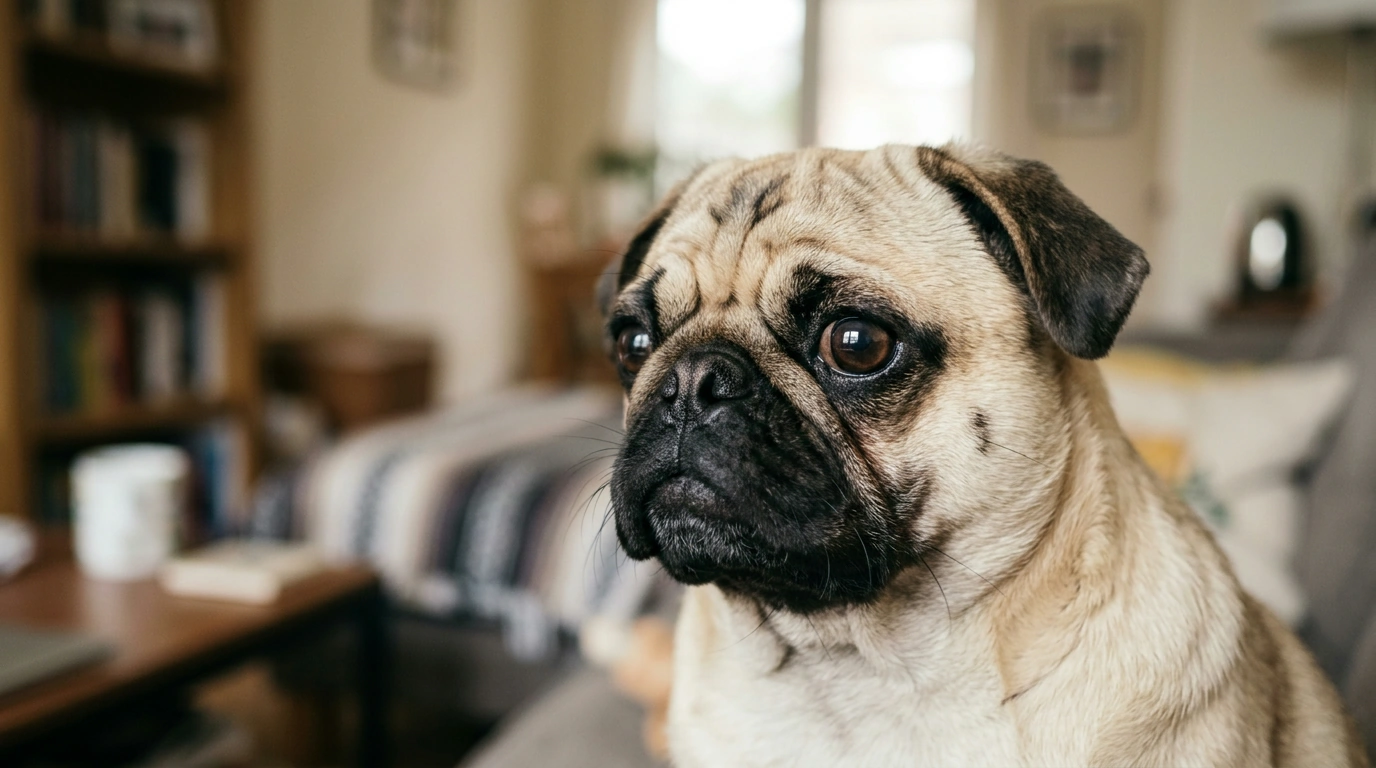
Which dog breeds are most prone to eye problems?
Flat-faced breeds, dogs with prominent eyes, and breeds with loose or heavy eyelids are especially prone to eye problems. Pugs, French Bulldogs, Shih Tzus, Pekingese, and Bulldogs are among the breeds that often need extra attention because their eye shape or facial folds can make irritation and injury more likely.
Other breeds have inherited risks that may not be obvious from their appearance. Any dog can develop an eye problem, so we recommend making a quick eye check part of your regular care routine.
Which breeds need particular attention?
Flat-faced and prominent-eyed breeds
Pugs, Shih Tzus, Pekingese, Boston Terriers, French Bulldogs, and Bulldogs can be prone to dry eye, corneal scratches, and ulcers. Their prominent eyes may be more exposed to rubbing and injury. Some also have eyelids that do not close fully, leaving the eye surface less protected.
Breeds with loose or inward-rolling eyelids
Shar-Peis, Chow Chows, Bloodhounds, and Basset Hounds can experience eyelid problems. An eyelid that rolls inward may cause hair to rub against the eye, while a drooping lower lid can expose sensitive tissue and collect debris. Both situations deserve a veterinary assessment.
Breeds at risk of inherited eye disease
Cocker Spaniels can develop cataracts and glaucoma, while Siberian Huskies are among the breeds that can develop inherited cataracts. Poodles, Labrador Retrievers, and several other breeds can be affected by progressive retinal atrophy, an inherited condition that gradually reduces vision. Risk varies by dog and family line, so ask your veterinarian whether an eye examination or screening is appropriate.
How can you care for a dog’s eyes at home?
Look for clear, comfortable eyes during grooming. To remove ordinary crust from the fur, use a soft pad dampened with warm water or a dog-safe eye wipe. Wipe gently away from the eye, use a fresh pad for each side, and avoid touching the eyeball. Keep long facial hair trimmed so it does not rub the eye.
Choose products labeled for use around dogs’ eyes, and avoid soap, peroxide, or human eye drops unless your veterinarian directs you to use them. Our daily eye care guide for dogs and cats offers more cleaning tips and warning signs.
Contact your veterinarian promptly if you notice redness, swelling, persistent discharge, or a change in vision. Squinting, a cloudy eye, or an eye that appears injured can indicate an urgent problem and should be assessed immediately.
FAQ
Is a little eye discharge normal in dogs?
A small amount of clear or slightly dried discharge can be normal, especially after sleep. Contact your veterinarian if discharge increases, turns yellow or green, or occurs with redness, squinting, or discomfort.
Recommended for you


Yellow Gunk in Your Dog’s Eye: Causes and Care
Nov 20, 2026













Leave a comment