-
Shop
- Advanced Technologies
- AI Skills
- Bathroom
- Best-Sellers
- Car Accessories
- Confidence
- Dating & Social Skills
- Digital Resources
- AI & Technology
- Beauty
- Budgeting & Saving
- Car Buying & Ownership
- Cozy Feast Collection
- Electronics & Technology
- Entrepreneurship & Business Growth
- Financial Education
- Financial Independence
- Financial Mindset & Psychology
- Goal Setting
- Home Styling & Organization
- Kitchen & Recipes
- Leadership
- Mindfulness
- Mindset
- Online Business
- Parenting & Child Development
- Personal Style & Fashion
- Pet Lifestyle & Wellness
- Positive Thinking
- Sleep Improvement
- Smart Life with AI
- Stress Management & Relaxation
- Travel Planning
- Wellness
- Yoga & Fitness
- Yoga & Mind-Body Practices
- Education & Learning
- Family & Parenting
- Fashion
- Accessories
- Alexander McQueen
- Bags
- Bags & Wallets
- Balenciaga
- Belts
- Blazers
- Bottega Veneta
- Bottoms
- Brunello Cucinelli
- Burberry
- Chanel
- Chloé
- Dior
- Dolce & Gabbana
- Dresses
- Etro
- Fendi
- Gucci
- Hats & Hair Accessories
- Hoodies & Sweatshirts
- Jacquemus
- Jewelry
- Jil Sander
- Kiton
- Luggage
- Miu Miu
- Off-White
- Outerwear
- Prada
- Rick Owens
- Saint Laurent
- Shoes
- Socks & Tights
- Sweaters & Cardigans
- The Row
- Tom Ford
- Tops & Shirts
- Valentino
- Valentino Garavani
- Versace
- Vivienne Westwood
- Watches
- Fashion Accessories
- Furniture
- Gadgets
- Health & Beauty
- Health & Wellness
- Home & Garden
- Home Decor
- Home Electronics
- Home Supplies
- Kids & Babies
- Kitchen
- Kitchen Best-Sellers
- Lighting
- Patio, Lawn & Garden
- Personal Growth
- Pet Care
- Pet Supplies
- Pets
- Sport & Outdoors
- Super Deals
- Travel
- Travel & Adventure
- Wealth
- Popular
- Best deals
How to Purchase Rental Property With No Money Down
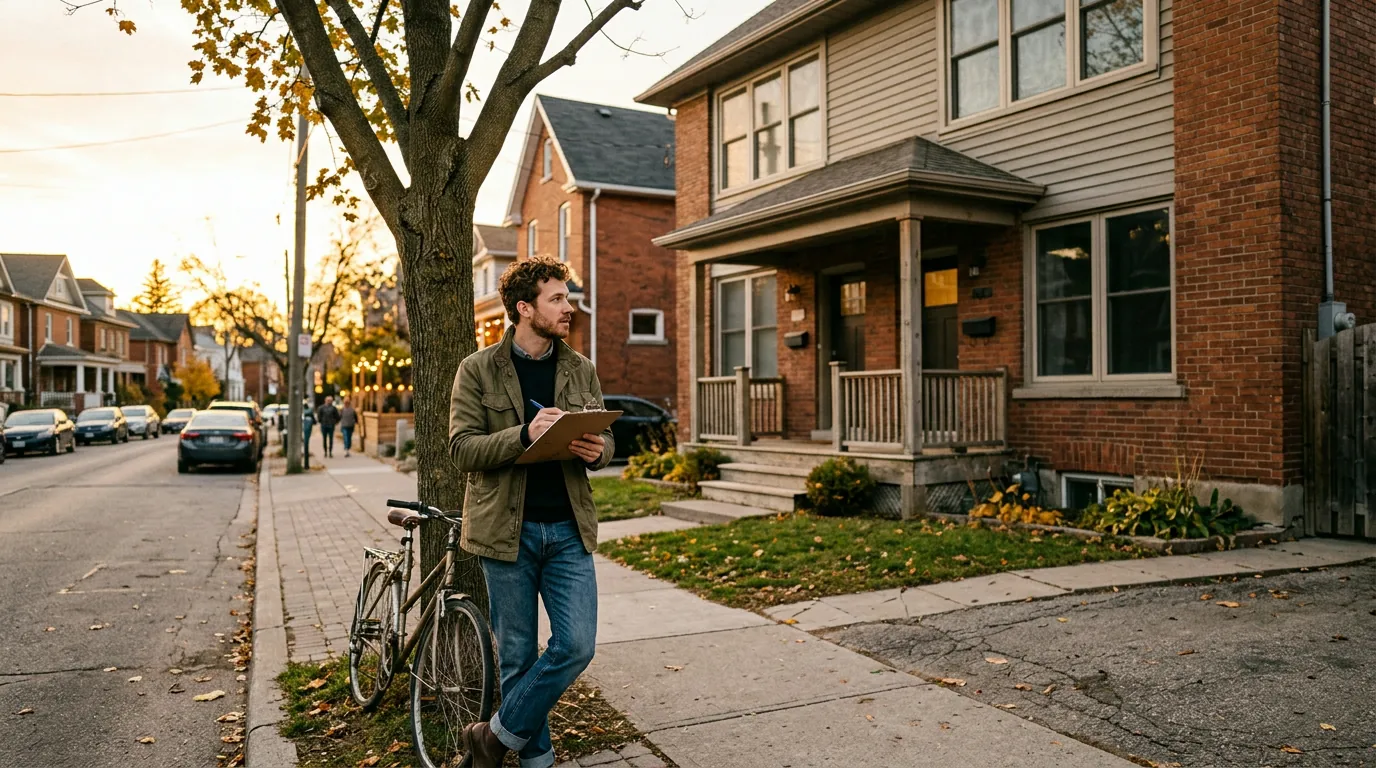
How can you purchase rental property with no money down?
You can buy a rental property without using your own cash for a down payment by combining financing, a partner’s capital, or seller financing. A true zero-cash purchase is uncommon, though: closing costs, inspections, repairs, and reserves can still require money. We recommend planning for those expenses before you make an offer.
What financing options can reduce your upfront costs?
Can you use an owner-occupied loan?
If you intend to live in one unit of a multifamily property, you may qualify for an owner-occupied loan with a smaller down payment than a typical investment-property loan. Eligible VA borrowers may be able to purchase a qualifying property with no down payment. Occupancy, credit, property, and lender requirements apply, and funding fees or closing costs may still be due.
An FHA loan can also help qualified buyers purchase a property with up to four units while living in one, but it generally requires a down payment. You must meet the program’s occupancy rules rather than claim you will live there solely to obtain financing.
Can seller financing or a partner cover the down payment?
With seller financing, the seller acts as lender for some or all of the purchase price. You negotiate the interest rate, repayment schedule, and any down payment. Have a real estate attorney review the agreement, including any balloon payment and the seller’s existing mortgage obligations.
A partner can contribute the down payment while you handle tasks such as finding the property or managing tenants. Put ownership percentages, responsibilities, profit distributions, and exit terms in writing. If you use a mortgage, disclose the funding arrangement and follow the lender’s rules.
How do you decide whether the deal works?
Estimate rent conservatively, then subtract the mortgage payment, taxes, insurance, maintenance, vacancy, and management costs. Set aside reserves for repairs and periods without a tenant. A deal that requires little cash upfront can still lose money each month or leave you vulnerable to a major repair.
Compare financing terms and seek advice from a qualified lender, attorney, and tax professional before committing. For a broader buying and rental checklist, explore our guide to your first rental property.
FAQ
What expenses should you budget for after buying a rental property?
Budget for property taxes, insurance, maintenance, repairs, vacancies, and property management if you use it. Keep a cash reserve for unexpected expenses as well as routine operating costs.















Leave a comment