-
Shop
- Advanced Technologies
- AI Skills
- Bathroom
- Best-Sellers
- Car Accessories
- Confidence
- Dating & Social Skills
- Digital Resources
- AI & Technology
- Beauty
- Budgeting & Saving
- Car Buying & Ownership
- Cozy Feast Collection
- Electronics & Technology
- Entrepreneurship & Business Growth
- Financial Education
- Financial Independence
- Financial Mindset & Psychology
- Goal Setting
- Home Styling & Organization
- Kitchen & Recipes
- Leadership
- Mindfulness
- Mindset
- Online Business
- Parenting & Child Development
- Personal Style & Fashion
- Pet Lifestyle & Wellness
- Positive Thinking
- Sleep Improvement
- Smart Life with AI
- Stress Management & Relaxation
- Travel Planning
- Wellness
- Yoga & Fitness
- Yoga & Mind-Body Practices
- Education & Learning
- Family & Parenting
- Fashion
- Accessories
- Alexander McQueen
- Bags
- Bags & Wallets
- Balenciaga
- Belts
- Blazers
- Bottega Veneta
- Bottoms
- Brunello Cucinelli
- Burberry
- Chanel
- Chloé
- Dior
- Dolce & Gabbana
- Dresses
- Etro
- Fendi
- Gucci
- Hats & Hair Accessories
- Hoodies & Sweatshirts
- Jacquemus
- Jewelry
- Jil Sander
- Kiton
- Luggage
- Miu Miu
- Off-White
- Outerwear
- Prada
- Rick Owens
- Saint Laurent
- Shoes
- Socks & Tights
- Sweaters & Cardigans
- The Row
- Tom Ford
- Tops & Shirts
- Valentino
- Valentino Garavani
- Versace
- Vivienne Westwood
- Watches
- Fashion Accessories
- Furniture
- Gadgets
- Health & Beauty
- Health & Wellness
- Home & Garden
- Home Decor
- Home Electronics
- Home Supplies
- Kids & Babies
- Kitchen
- Kitchen Best-Sellers
- Lighting
- Patio, Lawn & Garden
- Personal Growth
- Pet Care
- Pet Supplies
- Pets
- Sport & Outdoors
- Super Deals
- Travel
- Travel & Adventure
- Wealth
- Popular
- Best deals
Indoor Cat House with Removable Flower Bed: A Cozy Guide
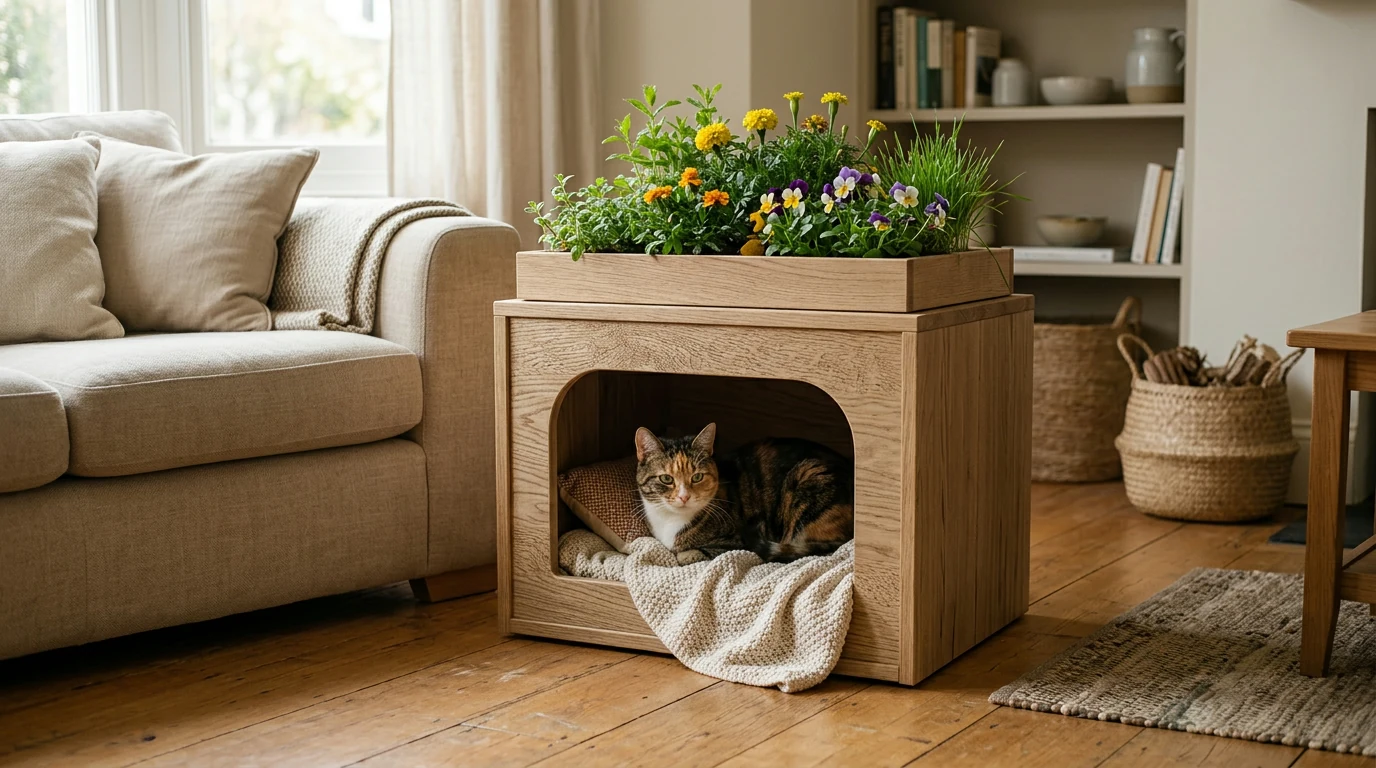
A Cozy Indoor Cat House with a Removable Flower Bed
Indoor cats often choose their own favorite corners, from a sunny patch on the floor to a quiet place beside the couch. Giving your cat a dedicated resting spot adds another option to its daily routine while helping you create a welcoming space together.
Our Large Indoor Cat House with Removable Flower Bed offers a place for your cat to settle in, with a removable flower bed that adds a decorative touch. The best location and setup will depend on your cat’s preferences, so start simply and make adjustments as you observe how your cat uses the space.
A Place for Your Cat to Settle In
A busy household can bring plenty of interesting activity, but your cat may also appreciate somewhere to step away from it. A dedicated cat house gives your companion a consistent place to visit between play sessions, meals, and time spent watching the household go by.
What distinguishes this house from a standard resting spot is its removable flower bed. It adds a decorative element to the space while giving you the option to remove it. Whether you keep the flower bed in place or set it aside, pay attention to how your cat interacts with the house and its surroundings.
Our Large Indoor Cat House with Removable Flower Bed is listed at $36.01. Visit the product page for current availability and details before deciding whether it is right for your home.
Finding the Right Spot at Home
Start with a quiet location that your cat can reach easily. A corner of a living room or bedroom may work well if it is away from heavy foot traffic and gives your cat room to approach and leave. Keep the house separate from food and litter areas so it can serve as a distinct resting place.
Consider your cat’s habits when choosing a location. Some cats prefer a more sheltered spot, while others like to watch the room from a comfortable distance. If your cat regularly rests near a particular wall or piece of furniture, that area may be a useful starting point, provided the entrance remains accessible.
Once the house is in place, let your cat investigate at its own pace rather than putting it inside. You can leave it undisturbed and see whether your cat approaches on its own. If the first location does not attract interest, try another quiet spot and allow time for your cat to become familiar with the change.
Making the Space Comfortable
A familiar blanket or piece of bedding can make a new resting place feel more inviting. Add one only if it fits comfortably without bunching up or blocking the entrance. Your cat should be able to enter, turn, and leave without navigating around extra material.
Keep the area around the house clear of cords, small objects, and other clutter. Check the house and any bedding regularly for wear or loose items, and remove anything your cat might chew or swallow. A quick inspection when you tidy the room can help you keep the area comfortable and accessible.
If you add plants or floral decorations nearby, choose cat-safe options and keep small or detachable pieces out of reach. Even decorative items that are not plants can pose a problem if a curious cat pulls off and swallows a piece. The ASPCA’s toxic and non-toxic plant list is a useful place to check a plant before bringing it into your cat’s space.
Simple placement and comfort checklist
| Consideration | What to look for |
|---|---|
| Location | A quiet spot the cat can reach easily |
| Access | A clear entrance and room to move around it |
| Comfort | Familiar bedding if it fits without blocking access |
| Decor | Cat-safe choices without reachable loose pieces |
Helping Indoor Cats Feel at Home
A resting place is one part of an enriching indoor environment. Cats also benefit from opportunities to play, scratch, explore, and observe their surroundings. Place scratching options where your cat likes to spend time, and consider an accessible viewing spot if your home has a suitable window.
Set aside regular playtime and rotate toys to keep familiar activities interesting. You do not need to introduce everything at once: notice which toys your cat engages with, put a few away, and bring them back later. Keep play sessions suited to your cat’s age and energy level, and put away toys with loose or detachable parts when playtime is over.
Indoor living can reduce exposure to outdoor hazards, but it does not replace routine veterinary care. The American Veterinary Medical Association’s indoor cat resources offer guidance on supporting cats at home. Your veterinarian can also help you plan for your cat’s individual health and activity needs.
When you are ready to create a dedicated corner for your companion, explore our Large Indoor Cat House with Removable Flower Bed. For readers who also run a business, our AI for Small Business Toolkit – 5-in-1 Digital Download Bundle is a separate resource available in our store.
FAQ
Do vets recommend cats stay indoors?
Many veterinary professionals recommend indoor living to reduce risks such as traffic, predators, and infectious disease. Indoor cats still need exercise, enrichment, and veterinary care, so discuss your cat’s individual needs with your veterinarian.
How can I encourage my cat to use a new indoor cat house?
Place it in a quiet, accessible location and let your cat explore at its own pace. Familiar bedding inside, if it fits safely, or a treat nearby may help your cat become comfortable with it.
Are flowers safe around a cat house?
Safety depends on the plant or decoration, so check plants against the ASPCA’s toxic and non-toxic plant list. Keep loose or detachable pieces out of your cat’s reach.














Leave a comment