-
Shop
- Advanced Technologies
- AI Skills
- Bathroom
- Best-Sellers
- Car Accessories
- Confidence
- Dating & Social Skills
- Digital Resources
- AI & Technology
- Beauty
- Budgeting & Saving
- Car Buying & Ownership
- Cozy Feast Collection
- Electronics & Technology
- Entrepreneurship & Business Growth
- Financial Education
- Financial Independence
- Financial Mindset & Psychology
- Goal Setting
- Home Styling & Organization
- Kitchen & Recipes
- Leadership
- Mindfulness
- Mindset
- Online Business
- Parenting & Child Development
- Personal Style & Fashion
- Pet Lifestyle & Wellness
- Positive Thinking
- Sleep Improvement
- Smart Life with AI
- Stress Management & Relaxation
- Travel Planning
- Wellness
- Yoga & Fitness
- Yoga & Mind-Body Practices
- Education & Learning
- Family & Parenting
- Fashion
- Accessories
- Alexander McQueen
- Bags
- Bags & Wallets
- Balenciaga
- Belts
- Blazers
- Bottega Veneta
- Bottoms
- Brunello Cucinelli
- Burberry
- Chanel
- Chloé
- Dior
- Dolce & Gabbana
- Dresses
- Etro
- Fendi
- Gucci
- Hats & Hair Accessories
- Hoodies & Sweatshirts
- Jacquemus
- Jewelry
- Jil Sander
- Kiton
- Luggage
- Miu Miu
- Off-White
- Outerwear
- Prada
- Rick Owens
- Saint Laurent
- Shoes
- Socks & Tights
- Sweaters & Cardigans
- The Row
- Tom Ford
- Tops & Shirts
- Valentino
- Valentino Garavani
- Versace
- Vivienne Westwood
- Watches
- Fashion Accessories
- Furniture
- Gadgets
- Health & Beauty
- Health & Wellness
- Home & Garden
- Home Decor
- Home Electronics
- Home Supplies
- Kids & Babies
- Kitchen
- Kitchen Best-Sellers
- Lighting
- Patio, Lawn & Garden
- Personal Growth
- Pet Care
- Pet Supplies
- Pets
- Sport & Outdoors
- Super Deals
- Travel
- Travel & Adventure
- Wealth
- Popular
- Best deals
304 Stainless Steel Deep Head Colander: Uses and Care
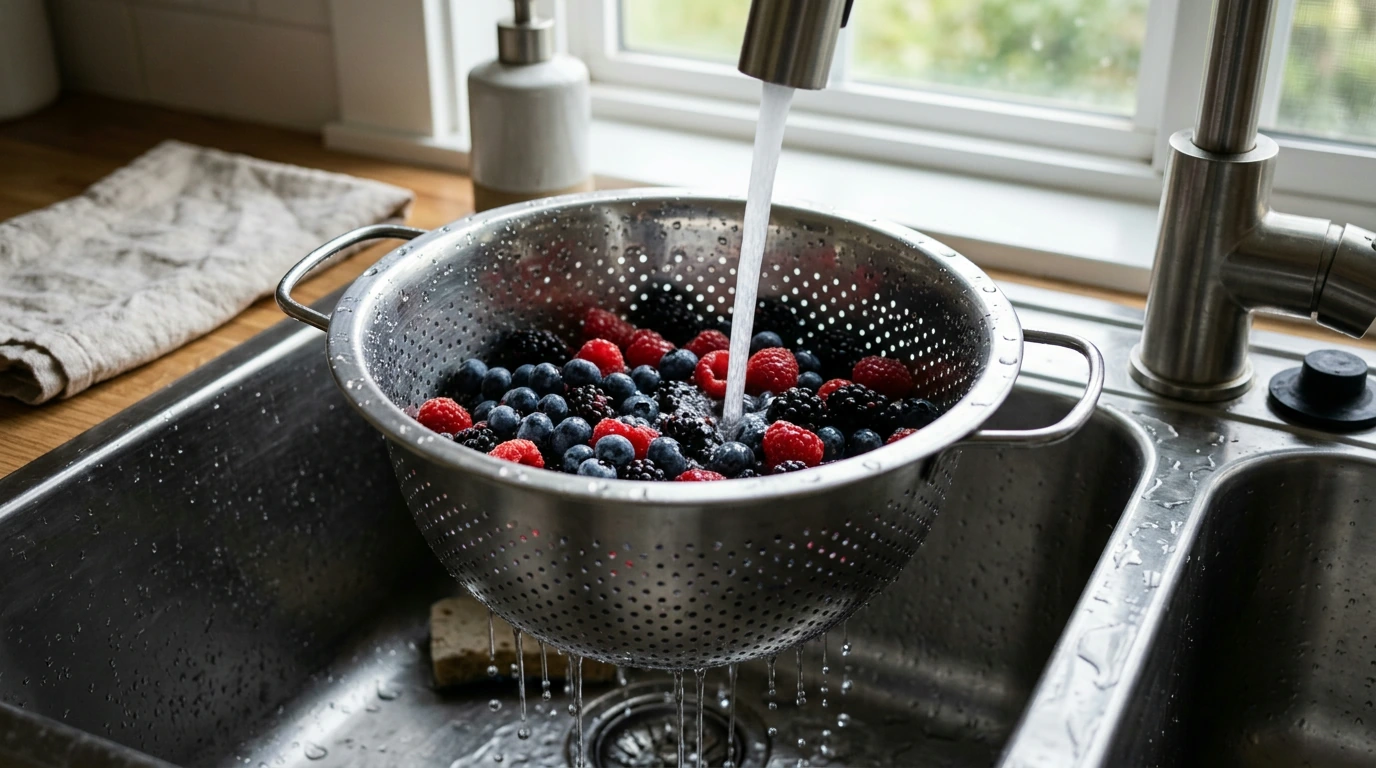
A reliable colander earns its place in the kitchen by making everyday preparation a little easier. You can use one to rinse fresh produce, wash canned beans, or drain pasta before adding a sauce. Our 304 stainless steel deep head colander brings those tasks together in one practical tool, with a deep shape that helps keep ingredients contained as you work. For more guidance, see EQUIPMENT TOOLS AND UTENSILS.
One Tool for Rinsing and Draining
Some kitchen tools are useful only for a particular recipe. A colander, on the other hand, can help throughout the day: rinse berries for breakfast, wash vegetables for lunch, and drain pasta for dinner. It also comes in handy when you want to rinse the liquid from canned beans before adding them to a salad or soup. For further reading, see Family and Consumer Sciences Skill-A-Thon … – SDSU Extension.
A deep head gives ingredients room to move while helping contain them as you turn or pour them. That can be useful when you are rinsing loose produce or handling a batch of cooked food. Work in manageable amounts so you can move ingredients gently and control the pour.
If you are looking for a versatile option for these routine jobs, explore our 304 stainless steel deep head colander. Its material and deep shape make it a practical choice to consider for everyday rinsing and draining.
Why 304 Stainless Steel?
Stainless steel comes in several grades, and 304 is one commonly used in kitchen applications. It is valued for corrosion resistance, which is helpful for a tool that regularly comes into contact with water and food. The World Stainless guide to stainless steel families explains how different stainless steel groups are suited to different uses.
Corrosion resistance does not mean a surface is completely rustproof or maintenance-free. Food residue and moisture left on a colander can make cleaning more difficult over time. We recommend washing it promptly after use and drying it thoroughly before putting it away.
The right material is only part of a practical choice. Consider how you usually prepare food, where you will drain it, and whether the shape gives you enough room to handle your typical ingredients comfortably.
Practical Ways to Use Your Colander
Before you start, place the colander securely in the sink or over a suitable vessel. Make sure it is stable and that water can drain where you intend it to go. Keep the surrounding area clear, especially when you are moving a pot of hot food.
For produce, use cool running water and turn the ingredients gently so the water reaches their surfaces. The FDA’s produce guidance recommends washing fruits and vegetables under running water, even when you plan to peel them. Wash produce just before preparing or eating it.
When draining pasta or other cooked foods, pour slowly and keep your hands and face clear of hot water and steam. Do not assume the handle or any other part will stay cool. If you need to move the colander after draining, allow it to cool or use appropriate protection and take care to keep it stable.
Everyday Colander Uses
| Task | Practical tip |
|---|---|
| Rinse produce | Turn ingredients gently under running water. |
| Drain pasta | Pour slowly and keep hands clear of steam. |
| Rinse canned beans | Drain and rinse under cool running water. |
For small or delicate ingredients, take your time rather than rushing them around. Once the water has drained, transfer the food to a clean bowl or cooking vessel. If you need to use the colander again for a different ingredient, wash it between tasks as appropriate.
Cleaning and Storage
After use, wash the colander with mild dish soap and water, paying attention to areas where food may collect. Rinse it thoroughly to remove soap, then dry it completely before storing it. A quick wash is often easier than returning to dried-on residue later.
If food is stuck, let the colander soak to loosen it before washing. Avoid harsh abrasives, which can scratch the surface. Once it is clean and dry, put it away where you can reach it for your next meal.
A Useful Addition to Your Kitchen
A deep colander made from 304 stainless steel offers a straightforward way to handle common rinsing and draining tasks. Whether you are preparing vegetables or finishing a pot of pasta, its deep shape helps contain ingredients while you work. Visit our product page for the current price and availability.
Our team also offers resources beyond kitchen tools. If you run a small business, you can explore our AI for Small Business Toolkit, a digital download bundle for business owners.
FAQ
What’s the highest quality of stainless steel?
There is no single highest-quality stainless steel grade for every use; different grades suit different environments. Grade 304 is widely used in kitchen applications because of its corrosion resistance.
How deep is a standard stainless steel sink?
Many kitchen sinks are approximately 8 to 10 inches deep, but depths vary by model. Measure your sink from the top edge to the bottom of the basin to determine its depth.
What can a deep head colander be used for?
You can use it to rinse produce and beans or drain pasta and other cooked foods. Pour hot foods slowly and take care around hot water and steam.
How should I clean a stainless steel colander?
Wash it with mild dish soap and water, then rinse and dry it thoroughly. Soak stuck-on food to loosen it instead of using harsh abrasives.
Recommended for you


Women’s Leather Square Toe Mid Heel Work Shoes Guide
Nov 19, 2026
Valentino Garavani Camouflage Sneakers: Style & Care
Nov 19, 2026













Leave a comment