-
Shop
- Advanced Technologies
- AI Skills
- Bathroom
- Best-Sellers
- Car Accessories
- Confidence
- Dating & Social Skills
- Digital Resources
- AI & Technology
- Beauty
- Budgeting & Saving
- Car Buying & Ownership
- Cozy Feast Collection
- Electronics & Technology
- Entrepreneurship & Business Growth
- Financial Education
- Financial Independence
- Financial Mindset & Psychology
- Goal Setting
- Home Styling & Organization
- Kitchen & Recipes
- Leadership
- Mindfulness
- Mindset
- Online Business
- Parenting & Child Development
- Personal Style & Fashion
- Pet Lifestyle & Wellness
- Positive Thinking
- Sleep Improvement
- Smart Life with AI
- Stress Management & Relaxation
- Travel Planning
- Wellness
- Yoga & Fitness
- Yoga & Mind-Body Practices
- Education & Learning
- Family & Parenting
- Fashion
- Accessories
- Alexander McQueen
- Bags
- Bags & Wallets
- Balenciaga
- Belts
- Blazers
- Bottega Veneta
- Bottoms
- Brunello Cucinelli
- Burberry
- Chanel
- Chloé
- Dior
- Dolce & Gabbana
- Dresses
- Etro
- Fendi
- Gucci
- Hats & Hair Accessories
- Hoodies & Sweatshirts
- Jacquemus
- Jewelry
- Jil Sander
- Kiton
- Luggage
- Miu Miu
- Off-White
- Outerwear
- Prada
- Rick Owens
- Saint Laurent
- Shoes
- Socks & Tights
- Sweaters & Cardigans
- The Row
- Tom Ford
- Tops & Shirts
- Valentino
- Valentino Garavani
- Versace
- Vivienne Westwood
- Watches
- Fashion Accessories
- Furniture
- Gadgets
- Health & Beauty
- Health & Wellness
- Home & Garden
- Home Decor
- Home Electronics
- Home Supplies
- Kids & Babies
- Kitchen
- Kitchen Best-Sellers
- Lighting
- Patio, Lawn & Garden
- Personal Growth
- Pet Care
- Pet Supplies
- Pets
- Sport & Outdoors
- Super Deals
- Travel
- Travel & Adventure
- Wealth
- Popular
- Best deals
Hybrid In-Ear Monitors: How to Choose Your Pair

Hybrid in-ear monitors offer an option if you want to explore how different driver types work together to reproduce sound. But the technology is only part of the decision. The right pair also needs to suit your ears, your audio source, and the way you listen throughout the day.
Our team recommends starting with practical questions: Will you use your monitors at a desk or on the move? Do you prefer a balanced sound or a stronger bass presence? And can you wear them comfortably for the length of a typical listening session?
What Hybrid Driver Technology Means
A driver is the component inside an earphone that converts an audio signal into sound. Hybrid in-ear monitors combine different types of drivers in one design. Depending on the model, those drivers may be assigned different parts of the audible frequency range.
Combining driver types does not guarantee a particular sound. The drivers themselves, the way they are integrated, and the manufacturer’s tuning all influence the result. Fit matters, too: the same pair can sound different to two listeners if the ear tips seal differently.
Rather than treating “hybrid” as a shortcut to your ideal sound, consider it one feature alongside comfort, compatibility, and your listening preferences.
Finding a Comfortable, Secure Fit
A good seal helps control how sound reaches your ear. If the seal is loose, you may perceive less bass and hear more of your surroundings. A secure seal can reduce some outside sound, although the amount varies with the fit and the monitor design.
Try suitable ear tips in different sizes or materials if they are available to you. Your ears may not need the same size on both sides. Place each monitor gently, adjust it until it feels stable, and listen for a consistent sound without pressing or forcing the tip into your ear.
Comfort is just as important as an initial seal. Wear the monitors for a short session, then notice whether they shift, create pressure, or cause irritation. If you experience discomfort, remove them and try another suitable tip or fit.
Match Your Monitors to Your Listening
Think about the situations in which you will reach for your monitors most often. A pair that feels fine for a quick playlist may feel different during a longer work session. If you listen while commuting or in shared spaces, the seal and the amount of surrounding sound you want to hear may also shape your choice.
Your preferred presentation matters as well. A balanced sound can make sense if you listen across many genres, while a more pronounced bass response may appeal if you enjoy extra low-end emphasis. Neither preference is inherently better; choose for the music and listening experience you enjoy.
Choosing for Your Listening Priorities
| Priority | What to consider |
|---|---|
| Comfort | Look for a fit that stays comfortable during longer sessions. |
| Sound preference | Consider whether you prefer a balanced presentation or a more pronounced bass response. |
| Everyday use | Check compatibility with your audio source and intended setup. |
| Outside noise | Consider how well the fit seals, without assuming a hearing-protection rating. |
Before buying, consider the connection your phone, computer, or audio player supports and whether your intended setup needs an adapter. Also consider where you will store the monitors between uses and whether their fit works for the activities you have in mind.
Listening and Care Essentials
Keep listening volume moderate and take breaks, especially during extended sessions. A comfortable seal may help you hear your audio without continually turning it up, but it does not make high volume risk-free. The World Health Organization’s hearing loss guidance explains the importance of limiting exposure to loud sounds.
Keep ear tips clean according to their material and the manufacturer’s instructions. Remove debris gently, avoid introducing moisture into openings, and let cleaned tips dry before use. Store your monitors safely between sessions rather than leaving them loose where the cable or earpieces can be damaged.
In-ear monitors are designed for audio playback, not necessarily for hearing protection. Do not assume they provide a certified protection rating just because they reduce some outside sound. For noisy environments, choose appropriately rated hearing protection; the CDC’s noise prevention guidance offers more information.
Explore the Monitors
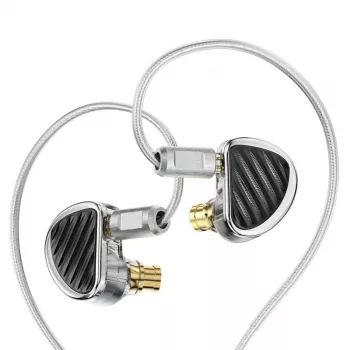
Our featured High-Performance In-Ear Monitors with Hybrid Driver Technology are listed at $180.01. They offer a starting point if you are exploring a hybrid design and want to consider it alongside your fit and listening priorities. Availability may change, so visit the product page before deciding.
You can also explore our AI for Small Business Toolkit – 5-in-1 Digital Download Bundle if you are looking for a separate digital resource for your business.
FAQ
What are some high-performance ear plugs?
Hearing-protection earplugs include filtered and musician-oriented options; choose a rated product appropriate to your noise exposure. In-ear monitors are for audio playback and should not be assumed to provide certified hearing protection.
Do hybrid in-ear monitors sound the same?
No. Driver selection, tuning, and fit can all influence the listening experience.
How should in-ear monitors fit?
They should feel secure and comfortable, with a suitable seal that does not require forcing the tips into your ears.















Leave a comment