-
Shop
- Advanced Technologies
- AI Skills
- Bathroom
- Best-Sellers
- Car Accessories
- Confidence
- Dating & Social Skills
- Digital Resources
- AI & Technology
- Beauty
- Budgeting & Saving
- Car Buying & Ownership
- Cozy Feast Collection
- Electronics & Technology
- Entrepreneurship & Business Growth
- Financial Education
- Financial Independence
- Financial Mindset & Psychology
- Goal Setting
- Home Styling & Organization
- Kitchen & Recipes
- Leadership
- Mindfulness
- Mindset
- Online Business
- Parenting & Child Development
- Personal Style & Fashion
- Pet Lifestyle & Wellness
- Positive Thinking
- Sleep Improvement
- Smart Life with AI
- Stress Management & Relaxation
- Travel Planning
- Wellness
- Yoga & Fitness
- Yoga & Mind-Body Practices
- Education & Learning
- Family & Parenting
- Fashion
- Accessories
- Alexander McQueen
- Bags
- Bags & Wallets
- Balenciaga
- Belts
- Blazers
- Bottega Veneta
- Bottoms
- Brunello Cucinelli
- Burberry
- Chanel
- Chloé
- Dior
- Dolce & Gabbana
- Dresses
- Etro
- Fendi
- Gucci
- Hats & Hair Accessories
- Hoodies & Sweatshirts
- Jacquemus
- Jewelry
- Jil Sander
- Kiton
- Luggage
- Miu Miu
- Off-White
- Outerwear
- Prada
- Rick Owens
- Saint Laurent
- Shoes
- Socks & Tights
- Sweaters & Cardigans
- The Row
- Tom Ford
- Tops & Shirts
- Valentino
- Valentino Garavani
- Versace
- Vivienne Westwood
- Watches
- Fashion Accessories
- Furniture
- Gadgets
- Health & Beauty
- Health & Wellness
- Home & Garden
- Home Decor
- Home Electronics
- Home Supplies
- Kids & Babies
- Kitchen
- Kitchen Best-Sellers
- Lighting
- Patio, Lawn & Garden
- Personal Growth
- Pet Care
- Pet Supplies
- Pets
- Sport & Outdoors
- Super Deals
- Travel
- Travel & Adventure
- Wealth
- Popular
- Best deals
Little to No Color: The 4-Letter Word and Style Tips
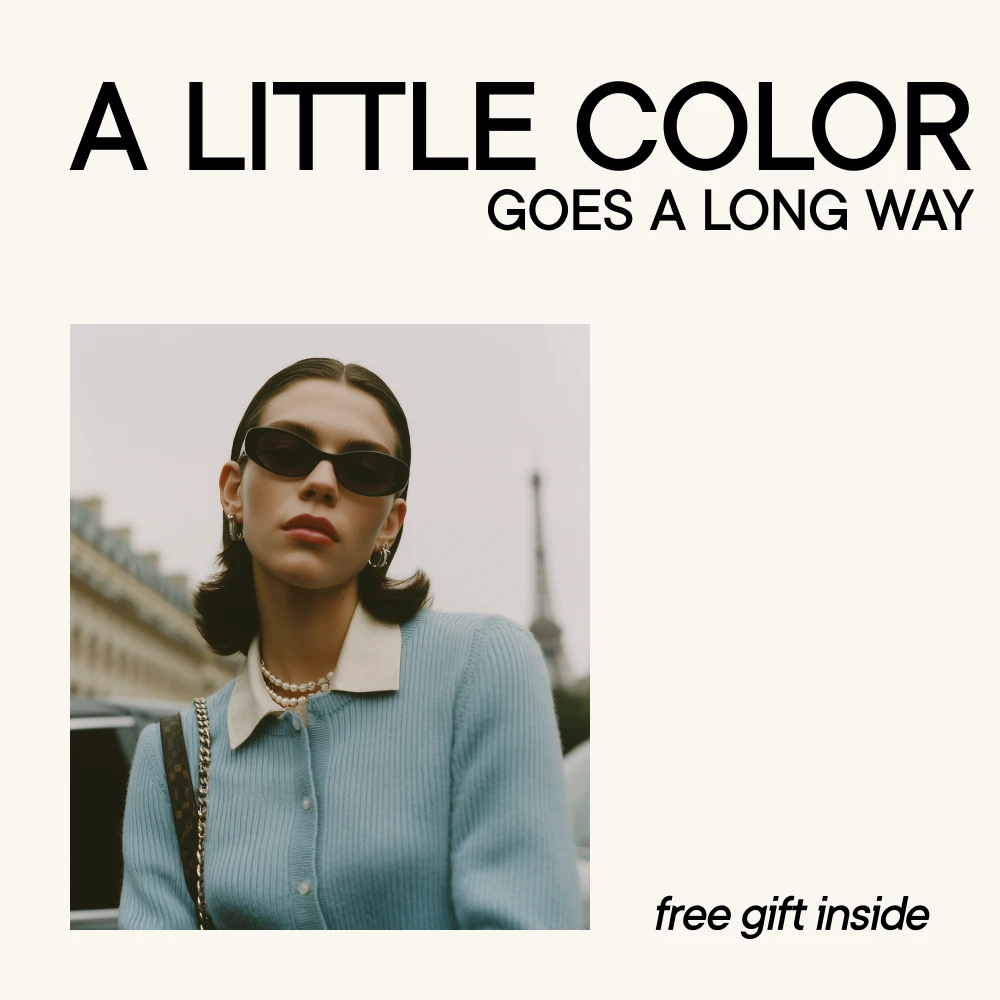
What is a 4-letter word for having little to no color?
Pale is a four-letter word for having little color or a very light shade. It can describe a washed-out pink, a soft blue, or a complexion with little visible color. If you are solving a crossword, “pale” is a useful answer to try, although the crossing letters and the wording of the clue will determine whether it fits.
How does “pale” apply to clothing?
In a wardrobe, pale describes the lightness of a color rather than a specific hue. Pale yellow, pale gray, and pale lavender all contain color, but their shades are light and understated. White and ivory can also create a pale overall look when paired with other light pieces.
We like pale pieces for the flexibility they bring to an outfit. A pale blue shirt can soften dark jeans, while a pale pink sweater can add a touch of color to cream trousers. For more ideas, explore our guide to adding color to a neutral wardrobe.
How can you style pale colors without looking washed out?
Start with contrast. Pair a pale top with navy, charcoal, or deep brown bottoms to give the outfit definition. If you prefer an all-light palette, combine different textures, such as a smooth cotton shirt with a knit cardigan or structured trousers.
You can also place a deeper shade near your face. A dark scarf, jacket, or necklace can create contrast while keeping the rest of your look soft. When choosing a pale garment, hold it near your face in natural light and see whether you like how the shade works with your complexion.
Are pale and neutral colors the same?
Not always. A neutral color is generally easy to pair with a broad range of shades; examples include black, white, gray, beige, and brown. A pale color can be neutral, as with pale gray, or distinctly colorful, as with pale peach.
Our team recommends treating pale colors as a gentle way to expand a neutral wardrobe. Choose one shade you enjoy, repeat it in a few outfits, and build from there.
FAQ
What colors go well with a neutral wardrobe?
Soft blue, muted green, blush, and burgundy can all work with neutral clothing. Choose a shade that complements the neutrals you wear most often, then introduce it through a top, accessory, or layering piece.














Leave a comment