-
Shop
- Advanced Technologies
- AI Skills
- Bathroom
- Best-Sellers
- Car Accessories
- Confidence
- Dating & Social Skills
- Digital Resources
- AI & Technology
- Beauty
- Budgeting & Saving
- Car Buying & Ownership
- Cozy Feast Collection
- Electronics & Technology
- Entrepreneurship & Business Growth
- Financial Education
- Financial Independence
- Financial Mindset & Psychology
- Goal Setting
- Home Styling & Organization
- Kitchen & Recipes
- Leadership
- Mindfulness
- Mindset
- Online Business
- Parenting & Child Development
- Personal Style & Fashion
- Pet Lifestyle & Wellness
- Positive Thinking
- Sleep Improvement
- Smart Life with AI
- Stress Management & Relaxation
- Travel Planning
- Wellness
- Yoga & Fitness
- Yoga & Mind-Body Practices
- Education & Learning
- Family & Parenting
- Fashion
- Accessories
- Alexander McQueen
- Bags
- Bags & Wallets
- Balenciaga
- Belts
- Blazers
- Bottega Veneta
- Bottoms
- Brunello Cucinelli
- Burberry
- Chanel
- Chloé
- Dior
- Dolce & Gabbana
- Dresses
- Etro
- Fendi
- Gucci
- Hats & Hair Accessories
- Hoodies & Sweatshirts
- Jacquemus
- Jewelry
- Jil Sander
- Kiton
- Luggage
- Miu Miu
- Off-White
- Outerwear
- Prada
- Rick Owens
- Saint Laurent
- Shoes
- Socks & Tights
- Sweaters & Cardigans
- The Row
- Tom Ford
- Tops & Shirts
- Valentino
- Valentino Garavani
- Versace
- Vivienne Westwood
- Watches
- Fashion Accessories
- Furniture
- Gadgets
- Health & Beauty
- Health & Wellness
- Home & Garden
- Home Decor
- Home Electronics
- Home Supplies
- Kids & Babies
- Kitchen
- Kitchen Best-Sellers
- Lighting
- Patio, Lawn & Garden
- Personal Growth
- Pet Care
- Pet Supplies
- Pets
- Sport & Outdoors
- Super Deals
- Travel
- Travel & Adventure
- Wealth
- Popular
- Best deals
Coolant Temperature Warning Light: What Drivers Should Do
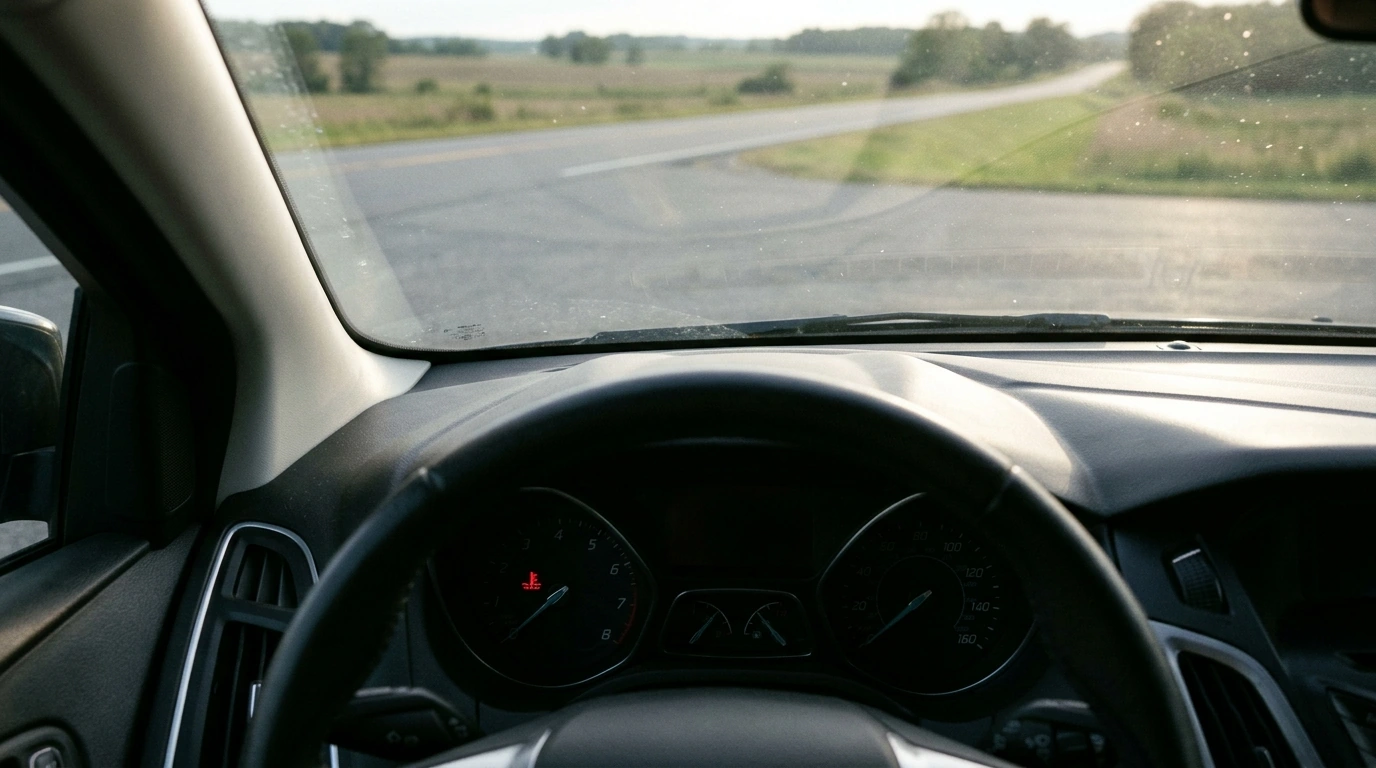
A coolant temperature warning light deserves prompt attention. It may mean your engine is overheating, and continuing to drive can turn a manageable repair into serious engine damage. Your safest first move is to find a place to stop, then use your owner’s manual to interpret the alert for your vehicle. Our Coolant Temperature Warning Light Explained guide is an additional reference you can keep on hand, but it is not a substitute for your vehicle’s instructions or roadside help.
First, get to a safe stopping place
Turn off the air conditioning and ease off the accelerator to reduce engine load. Pull over as soon as you can do so safely; do not make an abrupt stop in traffic. If you see steam, the temperature gauge reaches the hot range, or the vehicle loses power, stop promptly in a safe location. Once parked, switch off the engine.
Keep yourself and passengers away from traffic, and follow your owner’s manual for the warning shown. Symbols and recommended actions vary by model. If you cannot stop safely or need help at the roadside, contact roadside assistance.
Never remove a radiator cap or coolant reservoir cap while the cooling system is hot. Pressurized coolant can spray out and cause severe burns. Opening the hood does not make a hot system safe to open; give the engine time to cool before touching cooling-system components.
What the warning may be telling you
A coolant temperature light can indicate that the engine is too hot. On some vehicles, a low coolant level or a sensor problem may also trigger an alert. The symbol alone cannot tell you which fault is present. Notice what else is happening: steam, a sweet smell, a visible leak, reduced power, or a gauge that keeps climbing all call for greater caution.
The National Highway Traffic Safety Administration’s vehicle maintenance guidance is a useful reminder to address vehicle problems rather than put off needed attention. For this warning, your owner’s manual and a qualified inspection are the best ways to determine what your particular vehicle needs.
| What you notice | What to do |
|---|---|
| Warning light with a hot gauge or steam | Pull over safely, switch off the engine, and arrange roadside assistance. |
| Warning light without obvious overheating | Stop safely, consult the owner’s manual, and have the vehicle checked before relying on it for another trip. |
| Visible coolant leak or repeated warning | Do not keep driving; arrange an inspection or tow. |
| Warning disappears after stopping | Do not assume the problem is fixed. Have the cause checked before routine driving. |
Checks to make only after the engine cools
Wait until the engine has cooled fully before checking anything under the hood. Your owner’s manual can show you where the coolant reservoir is and how to read its level. Follow that procedure rather than guessing based on a tank or cap that looks familiar. Do not touch hot hoses, caps, or other cooling-system parts.
You can look for obvious coolant on the ground beneath the vehicle or around accessible hoses, provided you can do so without going near moving parts or traffic. A leak may not be visible from where you are parked, so a dry spot on the ground does not rule out a problem. Avoid roadside repairs you cannot perform safely.
If the coolant is low, adding some may not solve the reason it dropped. Use only coolant specified for your vehicle, and follow the owner’s manual before adding anything. If the level falls again, the light returns, or the engine has shown signs of overheating, arrange professional diagnosis rather than treating a top-up as a repair.
When driving is not worth the risk
Do not continue driving if the gauge remains high, steam appears, coolant is leaking, or the warning comes back. A tow may be inconvenient, but it avoids asking a potentially overheated engine to run farther. Even if the light goes out after you stop, have the cause checked before returning to routine driving.
A faulty coolant temperature sensor is possible, but it should not be your default explanation. A sensor issue can also make the temperature information you rely on less trustworthy. Treat a warning that seems inconsistent with the gauge as a problem to diagnose, especially when you notice a leak, steam, or a change in how the vehicle runs.
We recommend keeping your owner’s manual accessible so you can respond to the exact alert your vehicle displays. Our Coolant Temperature Warning Light Explained: A Complete Guide for Drivers offers a driver-focused reference for understanding the alert and planning your next step. If you also manage work vehicles, our AI for Small Business Toolkit addresses broader business tasks; it is not a vehicle diagnostic or safety resource. For the vehicle in front of you, put the manual, safe stopping, and qualified help first.
FAQ
Can I still drive my car with a bad coolant temperature sensor?
A suspected sensor fault needs diagnosis because it can make temperature information unreliable. Do not dismiss an overheating warning as a sensor issue, particularly if the engine is hot, steam is visible, or coolant is leaking.
How do I fix my coolant temperature warning?
Let the engine cool completely, follow your owner’s manual to check the coolant level safely, and have the cooling system diagnosed. The repair depends on the cause; adding coolant alone will not fix a leak or another overheating fault.
Can I still drive with a coolant light on?
Treat the light as a reason to pull over safely and assess the situation. Do not continue if the engine is hot, steam is visible, coolant is leaking, or the warning persists; follow your owner’s manual and seek assistance.
Recommended for you


Best AI Travel Planner: ChatGPT or Wanderlog?
Oct 26, 2026













Leave a comment