-
Shop
- Advanced Technologies
- AI Skills
- Bathroom
- Best-Sellers
- Car Accessories
- Confidence
- Dating & Social Skills
- Digital Resources
- AI & Technology
- Beauty
- Budgeting & Saving
- Car Buying & Ownership
- Cozy Feast Collection
- Electronics & Technology
- Entrepreneurship & Business Growth
- Financial Education
- Financial Independence
- Financial Mindset & Psychology
- Goal Setting
- Home Styling & Organization
- Kitchen & Recipes
- Leadership
- Mindfulness
- Mindset
- Online Business
- Parenting & Child Development
- Personal Style & Fashion
- Pet Lifestyle & Wellness
- Positive Thinking
- Sleep Improvement
- Smart Life with AI
- Stress Management & Relaxation
- Travel Planning
- Wellness
- Yoga & Fitness
- Yoga & Mind-Body Practices
- Education & Learning
- Family & Parenting
- Fashion
- Accessories
- Alexander McQueen
- Bags
- Bags & Wallets
- Balenciaga
- Belts
- Blazers
- Bottega Veneta
- Bottoms
- Brunello Cucinelli
- Burberry
- Chanel
- Chloé
- Dior
- Dolce & Gabbana
- Dresses
- Etro
- Fendi
- Gucci
- Hats & Hair Accessories
- Hoodies & Sweatshirts
- Jacquemus
- Jewelry
- Jil Sander
- Kiton
- Luggage
- Miu Miu
- Off-White
- Outerwear
- Prada
- Rick Owens
- Saint Laurent
- Shoes
- Socks & Tights
- Sweaters & Cardigans
- The Row
- Tom Ford
- Tops & Shirts
- Valentino
- Valentino Garavani
- Versace
- Vivienne Westwood
- Watches
- Fashion Accessories
- Furniture
- Gadgets
- Health & Beauty
- Health & Wellness
- Home & Garden
- Home Decor
- Home Electronics
- Home Supplies
- Kids & Babies
- Kitchen
- Kitchen Best-Sellers
- Lighting
- Patio, Lawn & Garden
- Personal Growth
- Pet Care
- Pet Supplies
- Pets
- Sport & Outdoors
- Super Deals
- Travel
- Travel & Adventure
- Wealth
- Popular
- Best deals
Gas vs. Electric Lawn Mowers: Which Is Better?
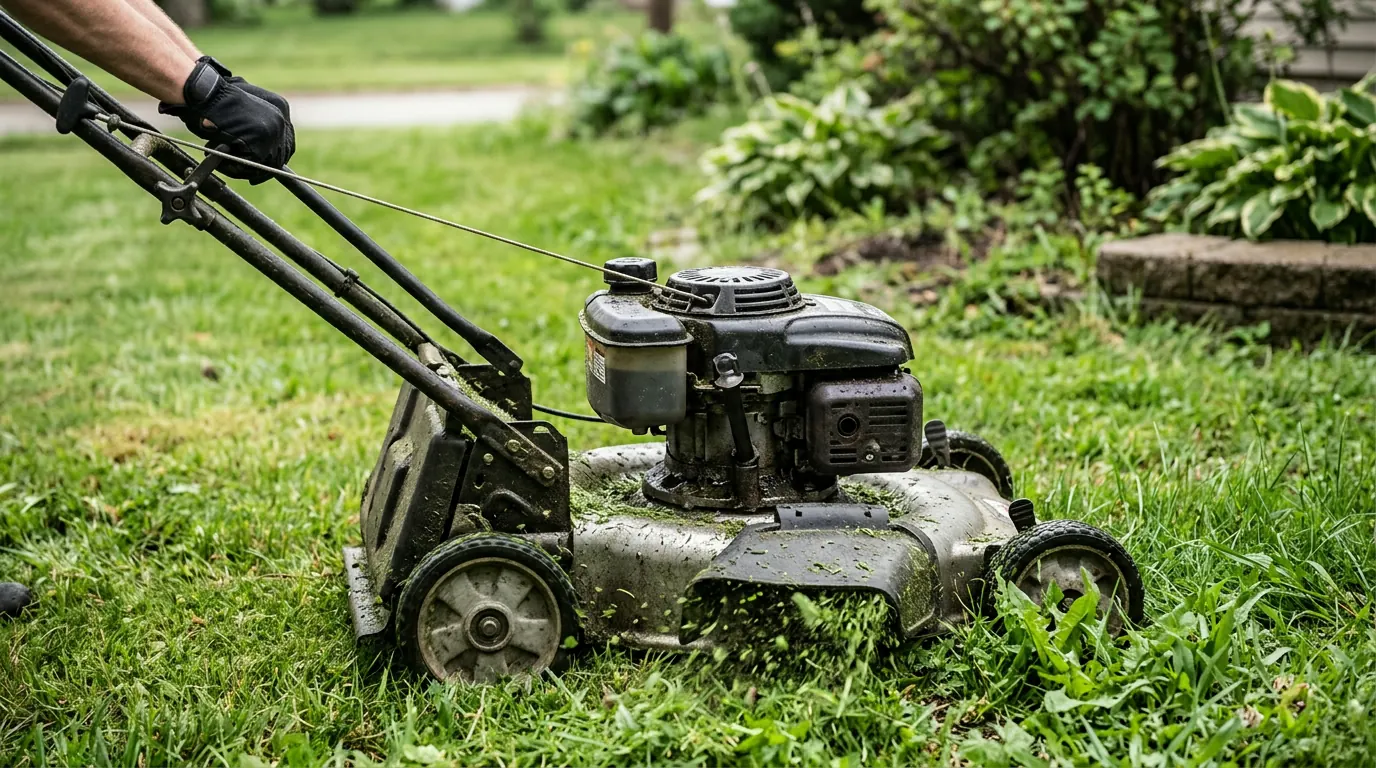
Are gasoline lawn mowers better than electric?
Not always. A gasoline mower is often the better choice when you have a larger lawn, thick grass, or stretches of mowing where you do not want to stop to recharge. An electric mower may suit you better if you have a smaller yard and value quieter operation, easy starts, and less routine engine maintenance. The right choice depends on your lawn and how you prefer to work.
Where gasoline mowers have an advantage
Gas mowers let you keep mowing as long as you have fuel on hand. That can be useful for a large yard or a lawn that takes longer than one battery charge to finish. They are also a practical option when grass gets dense or overgrown, though any mower works best when you cut manageable amounts at a time rather than forcing it through tall, wet grass.
If you want to compare a specific walk-behind option, see our guide to a 21-inch, 140cc gas push mower with mulching and bagging options. Cutting width and clipping-handling choices can matter as much as the power source when you are deciding how you want to mow.
Where electric mowers make more sense
Electric mowers avoid gasoline, oil changes, and pull-cord starts. Cordless models give you room to move without managing a cable, but their runtime depends on the battery and mowing conditions. Corded models can run without a battery recharge, but the cord limits your reach and needs to stay clear of the mower’s path.
For a modest lawn that you mow regularly, those trade-offs may be easy to live with. Electric operation can also be appealing if noise and exhaust near your home are priorities. If you choose cordless, consider whether the included battery can cover your usual mowing session or whether a second battery would be useful.
How our team would choose
Start with the area you mow, not the engine type. For a small, routinely maintained lawn, we would weigh an electric mower first. For a larger area, frequent heavy growth, or a schedule that leaves little time for charging, we would give gas models a closer look. Then compare features you will actually use, such as bagging, mulching, cutting-height adjustment, and whether you want a push or self-propelled mower.
Whichever you choose, follow the mower’s operating instructions, keep bystanders clear, and stop the motor before clearing a clog. For gas equipment, refuel only after the engine has cooled.
FAQ
How much lawn can a cordless electric mower cut on one charge?
It depends on battery capacity, grass thickness, cutting height, and how hard the mower has to work. Use the mower’s stated runtime as a starting point, and allow extra capacity if your lawn is often thick or overgrown.
Recommended for you


Best Console Tables for Entryway Style in 2026
Oct 23, 2026













Leave a comment