-
Shop
- Advanced Technologies
- AI Skills
- Bathroom
- Best-Sellers
- Car Accessories
- Confidence
- Dating & Social Skills
- Digital Resources
- AI & Technology
- Beauty
- Budgeting & Saving
- Car Buying & Ownership
- Cozy Feast Collection
- Electronics & Technology
- Entrepreneurship & Business Growth
- Financial Education
- Financial Independence
- Financial Mindset & Psychology
- Goal Setting
- Home Styling & Organization
- Kitchen & Recipes
- Leadership
- Mindfulness
- Mindset
- Online Business
- Parenting & Child Development
- Personal Style & Fashion
- Pet Lifestyle & Wellness
- Positive Thinking
- Sleep Improvement
- Smart Life with AI
- Stress Management & Relaxation
- Travel Planning
- Wellness
- Yoga & Fitness
- Yoga & Mind-Body Practices
- Education & Learning
- Family & Parenting
- Fashion
- Accessories
- Alexander McQueen
- Bags
- Bags & Wallets
- Balenciaga
- Belts
- Blazers
- Bottega Veneta
- Bottoms
- Brunello Cucinelli
- Burberry
- Chanel
- Chloé
- Dior
- Dolce & Gabbana
- Dresses
- Etro
- Fendi
- Gucci
- Hats & Hair Accessories
- Hoodies & Sweatshirts
- Jacquemus
- Jewelry
- Jil Sander
- Kiton
- Luggage
- Miu Miu
- Off-White
- Outerwear
- Prada
- Rick Owens
- Saint Laurent
- Shoes
- Socks & Tights
- Sweaters & Cardigans
- The Row
- Tom Ford
- Tops & Shirts
- Valentino
- Valentino Garavani
- Versace
- Vivienne Westwood
- Watches
- Fashion Accessories
- Furniture
- Gadgets
- Health & Beauty
- Health & Wellness
- Home & Garden
- Home Decor
- Home Electronics
- Home Supplies
- Kids & Babies
- Kitchen
- Kitchen Best-Sellers
- Lighting
- Patio, Lawn & Garden
- Personal Growth
- Pet Care
- Pet Supplies
- Pets
- Sport & Outdoors
- Super Deals
- Travel
- Travel & Adventure
- Wealth
- Popular
- Best deals
Boiling Water in a Ceramic Sink: Safe or Risky?
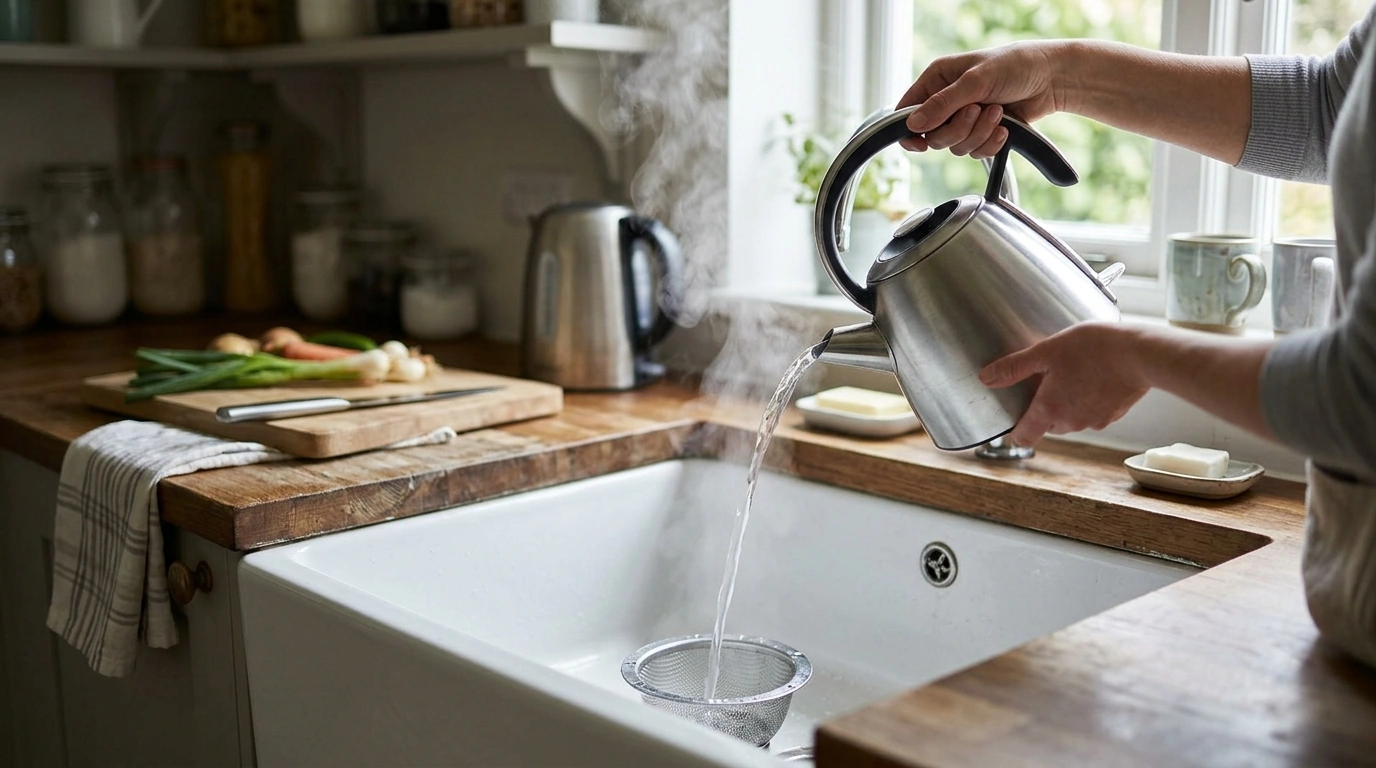
Can I pour boiling water in a ceramic sink?
You can usually pour boiling water into a ceramic sink, but our team recommends avoiding making it a habit. Most ceramic sinks have a heat-resistant glazed surface, yet rapid temperature changes can stress the glaze, grout lines, or surrounding countertop materials. The risk is higher if the sink is very cold (winter, air-conditioned room, or recently filled with cold water) and you suddenly dump a full pot of boiling water.
What can go wrong?
The biggest issue is thermal shock: a fast swing from cold to extremely hot can contribute to hairline cracks in the glaze or, over time, loosen seals where the sink meets the counter. Even if the basin itself holds up, boiling water can soften some caulks and stress adhesives used under drop-in or undermount installations. If you have an older sink, existing micro-cracks and worn glaze make it more vulnerable.
Safer ways to drain hot water
Let the pot cool for a few minutes, or run a small stream of warm water first to temper the basin before you pour. Pour slowly against the side of the sink instead of dumping all at once into the bottom. If you’re draining pasta, placing a colander in the sink helps distribute heat and reduces direct impact in one spot.
How to protect your sink’s finish
Avoid pairing boiling water with sudden cold rinses right afterward. Skip abrasive cleaners that can weaken the glaze and make heat marks or staining more noticeable. If you frequently handle very hot cookware, consider a sink grid or bottom rack to reduce contact and impact while keeping the basin looking crisp.
If you’re planning a style upgrade, our guide to pairing a round ceramic sink with an antique brass faucet covers practical setup details and design tips: https://bestsellis.com/guide-round-ceramic-sink-antique-brass-faucet-luxe-upgrade/.
FAQ
Will boiling water damage an antique brass faucet finish?
Brief splashes usually won’t ruin the finish, but repeated exposure can speed up spotting and wear, especially if minerals are present. Wipe the faucet dry after draining hot water to help preserve the look.
Recommended for you


Round vs Square Bathroom Sinks: Which One’s Better?
Oct 18, 2026













Leave a comment