-
Shop
- Advanced Technologies
- AI Skills
- Bathroom
- Best-Sellers
- Car Accessories
- Confidence
- Dating & Social Skills
- Digital Resources
- AI & Technology
- Beauty
- Budgeting & Saving
- Car Buying & Ownership
- Cozy Feast Collection
- Electronics & Technology
- Entrepreneurship & Business Growth
- Financial Education
- Financial Independence
- Financial Mindset & Psychology
- Goal Setting
- Home Styling & Organization
- Kitchen & Recipes
- Leadership
- Mindfulness
- Mindset
- Online Business
- Parenting & Child Development
- Personal Style & Fashion
- Pet Lifestyle & Wellness
- Positive Thinking
- Sleep Improvement
- Smart Life with AI
- Stress Management & Relaxation
- Travel Planning
- Wellness
- Yoga & Fitness
- Yoga & Mind-Body Practices
- Education & Learning
- Family & Parenting
- Fashion
- Accessories
- Alexander McQueen
- Bags
- Bags & Wallets
- Balenciaga
- Belts
- Blazers
- Bottega Veneta
- Bottoms
- Brunello Cucinelli
- Burberry
- Chanel
- Chloé
- Dior
- Dolce & Gabbana
- Dresses
- Etro
- Fendi
- Gucci
- Hats & Hair Accessories
- Hoodies & Sweatshirts
- Jacquemus
- Jewelry
- Jil Sander
- Kiton
- Luggage
- Miu Miu
- Off-White
- Outerwear
- Prada
- Rick Owens
- Saint Laurent
- Shoes
- Socks & Tights
- Sweaters & Cardigans
- The Row
- Tom Ford
- Tops & Shirts
- Valentino
- Valentino Garavani
- Versace
- Vivienne Westwood
- Watches
- Fashion Accessories
- Furniture
- Gadgets
- Health & Beauty
- Health & Wellness
- Home & Garden
- Home Decor
- Home Electronics
- Home Supplies
- Kids & Babies
- Kitchen
- Kitchen Best-Sellers
- Lighting
- Patio, Lawn & Garden
- Personal Growth
- Pet Care
- Pet Supplies
- Pets
- Sport & Outdoors
- Super Deals
- Travel
- Travel & Adventure
- Wealth
- Popular
- Best deals
What Word Calms Dogs? Teach a Reliable “Settle” Cue
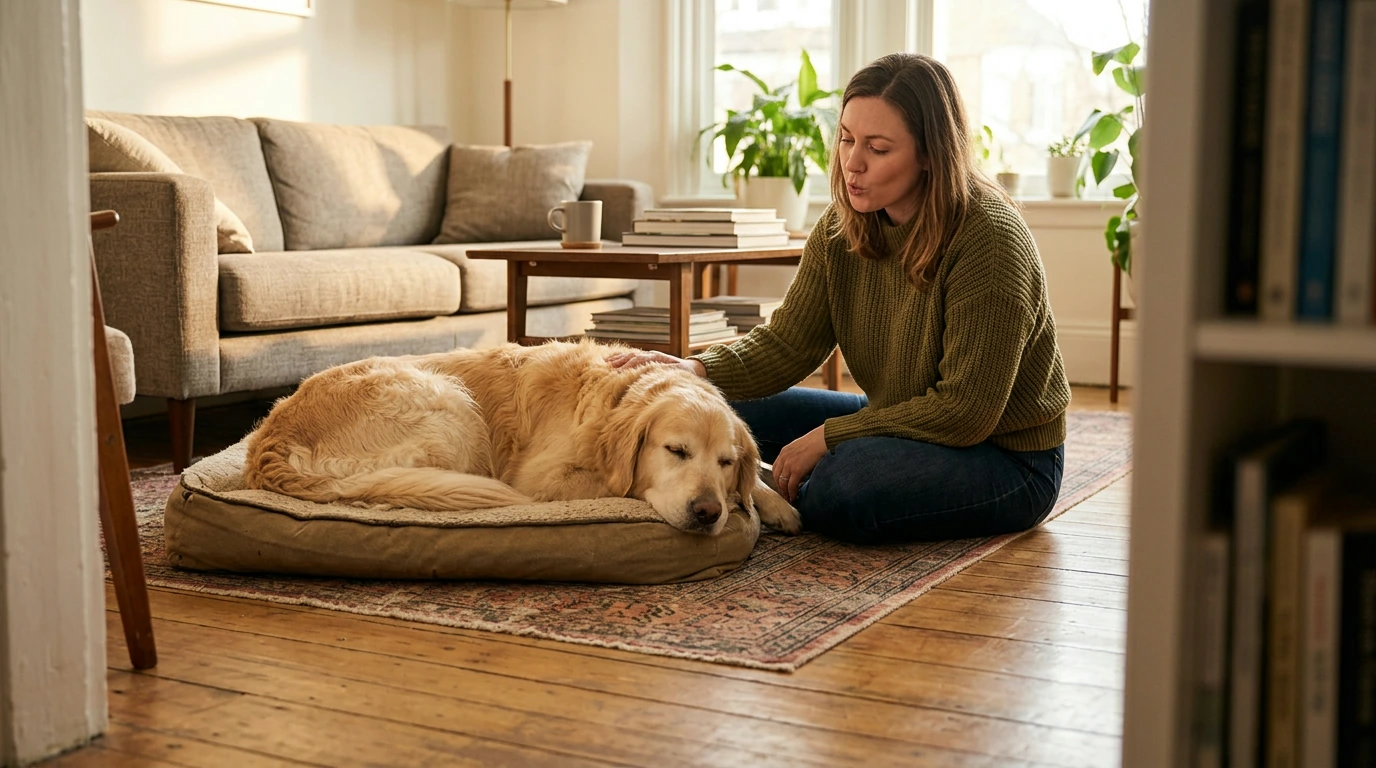
What word makes dogs calm?
No single word automatically “makes” every dog calm. The word that works is the one you consistently teach as a calm cue—most families choose something simple like “settle,” “easy,” or “relax.” When your dog learns that this cue predicts quiet behavior and good outcomes, hearing it can help them switch gears faster.
The best calm word is the one you can say the same way every time
Pick a one-word cue you won’t use in everyday chatter. Our team usually recommends “settle” because it clearly describes the goal: soft body, four paws on the floor, and low energy. Keep your tone low and even; excited delivery defeats the purpose.
How to condition a calm cue (fast and safely)
Start when your dog is already calm—after a potty break, a short walk, or a chew session. Say your cue (“settle”), pause one second, then reward calm behavior with a small treat placed on the floor between their paws. Repeat 5–10 times, then stop while it’s easy.
Next, ask for a simple calm position (down on a mat or bed). Say “settle” once, reward after one second of stillness, then gradually extend the time: 2 seconds, 4 seconds, 8 seconds. If your dog pops up, shorten the time and reward sooner so they can win.
Use the word as a signal, not a scold
If your dog is already over threshold (barking, spinning, lunging), the cue may fail because their brain can’t take in information. In that moment, create space, reduce the trigger, and give them a clear alternate job (move behind you, find a treat on the ground, touch your hand). Then practice “settle” again later in easier setups.
Build “daily calm habits” so the cue actually works
Calmness is a skill. Pair your word with routines that lower arousal: predictable exercise, sniff breaks, short training games, and structured rest. For a step-by-step plan, see our guide here: daily calm habits for dogs.
FAQ
How do I teach a dog an off switch indoors?
Use a consistent “place” or mat routine: reward your dog for choosing the mat, then for staying relaxed longer and longer. Add calm chews or a stuffed food toy on the mat so resting becomes their default indoor habit.
Recommended for you

Bidet Seat Outlet Code: GFCI, Grounding & Placement
Oct 15, 2026













Leave a comment