-
Shop
- Advanced Technologies
- AI Skills
- Bathroom
- Best-Sellers
- Car Accessories
- Confidence
- Dating & Social Skills
- Digital Resources
- AI & Technology
- Beauty
- Budgeting & Saving
- Car Buying & Ownership
- Cozy Feast Collection
- Electronics & Technology
- Entrepreneurship & Business Growth
- Financial Education
- Financial Independence
- Financial Mindset & Psychology
- Goal Setting
- Home Styling & Organization
- Kitchen & Recipes
- Leadership
- Mindfulness
- Mindset
- Online Business
- Parenting & Child Development
- Personal Style & Fashion
- Pet Lifestyle & Wellness
- Positive Thinking
- Sleep Improvement
- Smart Life with AI
- Stress Management & Relaxation
- Travel Planning
- Wellness
- Yoga & Fitness
- Yoga & Mind-Body Practices
- Education & Learning
- Family & Parenting
- Fashion
- Accessories
- Alexander McQueen
- Bags
- Bags & Wallets
- Balenciaga
- Belts
- Blazers
- Bottega Veneta
- Bottoms
- Brunello Cucinelli
- Burberry
- Chanel
- Chloé
- Dior
- Dolce & Gabbana
- Dresses
- Etro
- Fendi
- Gucci
- Hats & Hair Accessories
- Hoodies & Sweatshirts
- Jacquemus
- Jewelry
- Jil Sander
- Kiton
- Luggage
- Miu Miu
- Off-White
- Outerwear
- Prada
- Rick Owens
- Saint Laurent
- Shoes
- Socks & Tights
- Sweaters & Cardigans
- The Row
- Tom Ford
- Tops & Shirts
- Valentino
- Valentino Garavani
- Versace
- Vivienne Westwood
- Watches
- Fashion Accessories
- Furniture
- Gadgets
- Health & Beauty
- Health & Wellness
- Home & Garden
- Home Decor
- Home Electronics
- Home Supplies
- Kids & Babies
- Kitchen
- Kitchen Best-Sellers
- Lighting
- Patio, Lawn & Garden
- Personal Growth
- Pet Care
- Pet Supplies
- Pets
- Sport & Outdoors
- Super Deals
- Travel
- Travel & Adventure
- Wealth
- Popular
- Best deals
Bidet Seat Outlet Code: GFCI, Grounding & Placement
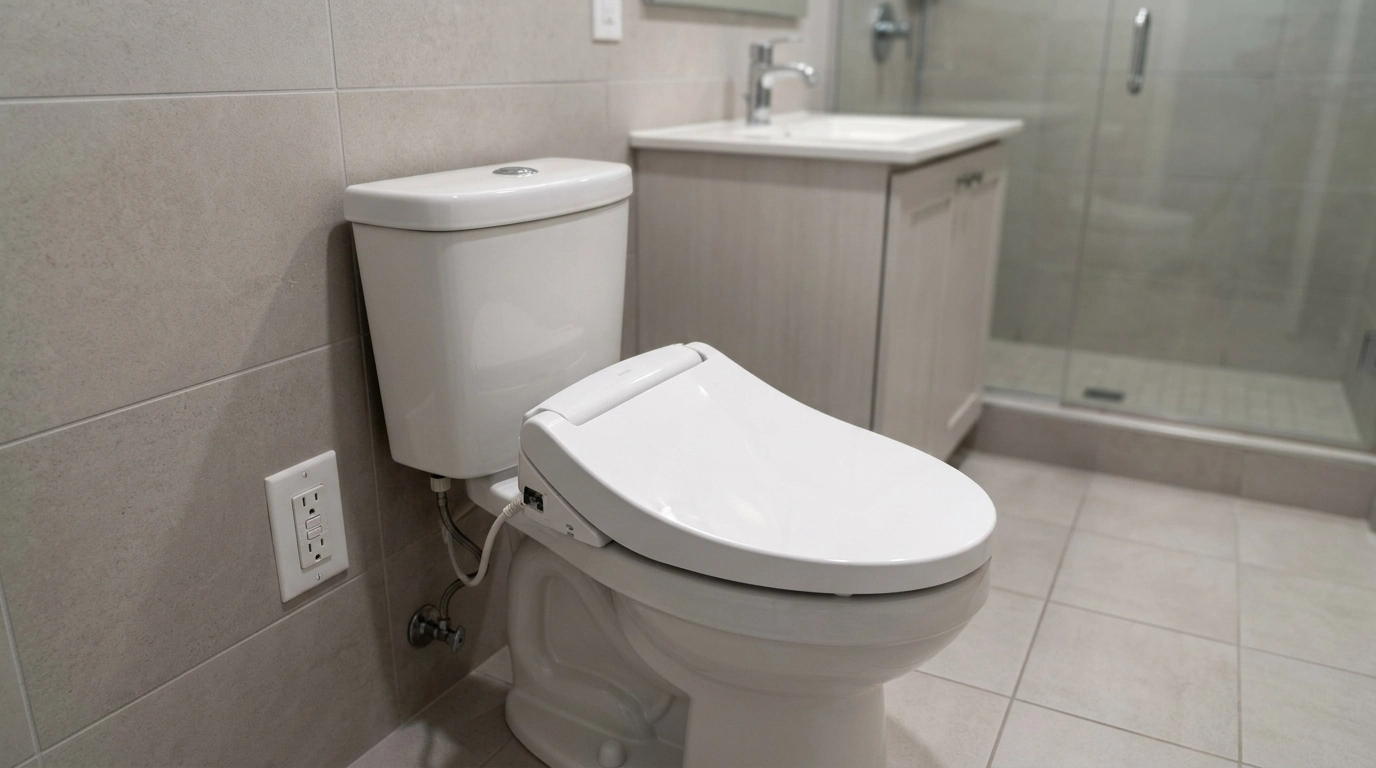
What is the required electrical outlet code for a bidet toilet seat?
Most electric bidet toilet seats in the U.S. are intended to plug into a standard 120V, 60Hz grounded outlet, but the “required code” is really about how that outlet is protected and where it’s installed. In typical residential bathrooms, the National Electrical Code (NEC) generally requires bathroom receptacles to be GFCI-protected. That means the outlet serving your bidet seat should be protected by a GFCI receptacle or a GFCI breaker, and it should be properly grounded.
What “code-compliant” usually means for a bidet seat outlet
When our team helps customers plan a smart bidet seat setup, we focus on a few practical code-aligned points:
- GFCI protection: Bathrooms are wet locations, so GFCI protection is the standard expectation for receptacles used by bidet seats.
- 120V grounded (3-prong) receptacle: Most bidet seats use a 3-prong plug; avoid using adapters that defeat grounding.
- Dedicated circuit considerations: A dedicated 20-amp bathroom circuit is common, and some homes already have one for bathroom receptacles. If your bidet has higher wattage features (instant water heating, warm air dryer), sharing a circuit with other loads can increase nuisance trips.
- Outlet placement and cord safety: Position the outlet so the bidet’s factory cord reaches without an extension cord. Using extension cords in bathrooms is a safety and compliance red flag.
Do you need an electrician for a bidet seat outlet?
If you already have a nearby GFCI-protected, grounded outlet that can be reached by the built-in cord, installation is often straightforward. If you need a new outlet added, moved, or converted to GFCI protection, hiring a licensed electrician is the safest way to meet local code requirements and avoid issues with grounding or circuit capacity.
Choosing an all-in-one bidet seat with power in mind
Heated seats, auto features, and air drying are popular upgrades, but they also make power planning more important. For a deeper look at features found in modern smart bidets, visit our guide: https://bestsellis.com/guide-all-in-one-smart-bidet-toilet-auto-flush-heated-seat-air-drying/.
FAQ
Can I use an extension cord or power strip for a bidet toilet seat?
We don’t recommend it. Bathrooms are damp environments, and extension cords/power strips can create shock and fire risks; use a properly placed, GFCI-protected wall outlet instead.
Recommended for you



7-7-7 Rule for Dogs: Timeline for New Dog Adjustment
Oct 15, 2026













Leave a comment