-
Shop
- Advanced Technologies
- AI Skills
- Bathroom
- Best-Sellers
- Car Accessories
- Confidence
- Dating & Social Skills
- Digital Resources
- AI & Technology
- Beauty
- Budgeting & Saving
- Car Buying & Ownership
- Cozy Feast Collection
- Electronics & Technology
- Entrepreneurship & Business Growth
- Financial Education
- Financial Independence
- Financial Mindset & Psychology
- Goal Setting
- Home Styling & Organization
- Kitchen & Recipes
- Leadership
- Mindfulness
- Mindset
- Online Business
- Parenting & Child Development
- Personal Style & Fashion
- Pet Lifestyle & Wellness
- Positive Thinking
- Sleep Improvement
- Smart Life with AI
- Stress Management & Relaxation
- Travel Planning
- Wellness
- Yoga & Fitness
- Yoga & Mind-Body Practices
- Education & Learning
- Family & Parenting
- Fashion
- Accessories
- Alexander McQueen
- Bags
- Bags & Wallets
- Balenciaga
- Belts
- Blazers
- Bottega Veneta
- Bottoms
- Brunello Cucinelli
- Burberry
- Chanel
- Chloé
- Dior
- Dolce & Gabbana
- Dresses
- Etro
- Fendi
- Gucci
- Hats & Hair Accessories
- Hoodies & Sweatshirts
- Jacquemus
- Jewelry
- Jil Sander
- Kiton
- Luggage
- Miu Miu
- Off-White
- Outerwear
- Prada
- Rick Owens
- Saint Laurent
- Shoes
- Socks & Tights
- Sweaters & Cardigans
- The Row
- Tom Ford
- Tops & Shirts
- Valentino
- Valentino Garavani
- Versace
- Vivienne Westwood
- Watches
- Fashion Accessories
- Furniture
- Gadgets
- Health & Beauty
- Health & Wellness
- Home & Garden
- Home Decor
- Home Electronics
- Home Supplies
- Kids & Babies
- Kitchen
- Kitchen Best-Sellers
- Lighting
- Patio, Lawn & Garden
- Personal Growth
- Pet Care
- Pet Supplies
- Pets
- Sport & Outdoors
- Super Deals
- Travel
- Travel & Adventure
- Wealth
- Popular
- Best deals
Best Wellness Retreat: How to Choose the Right Fit
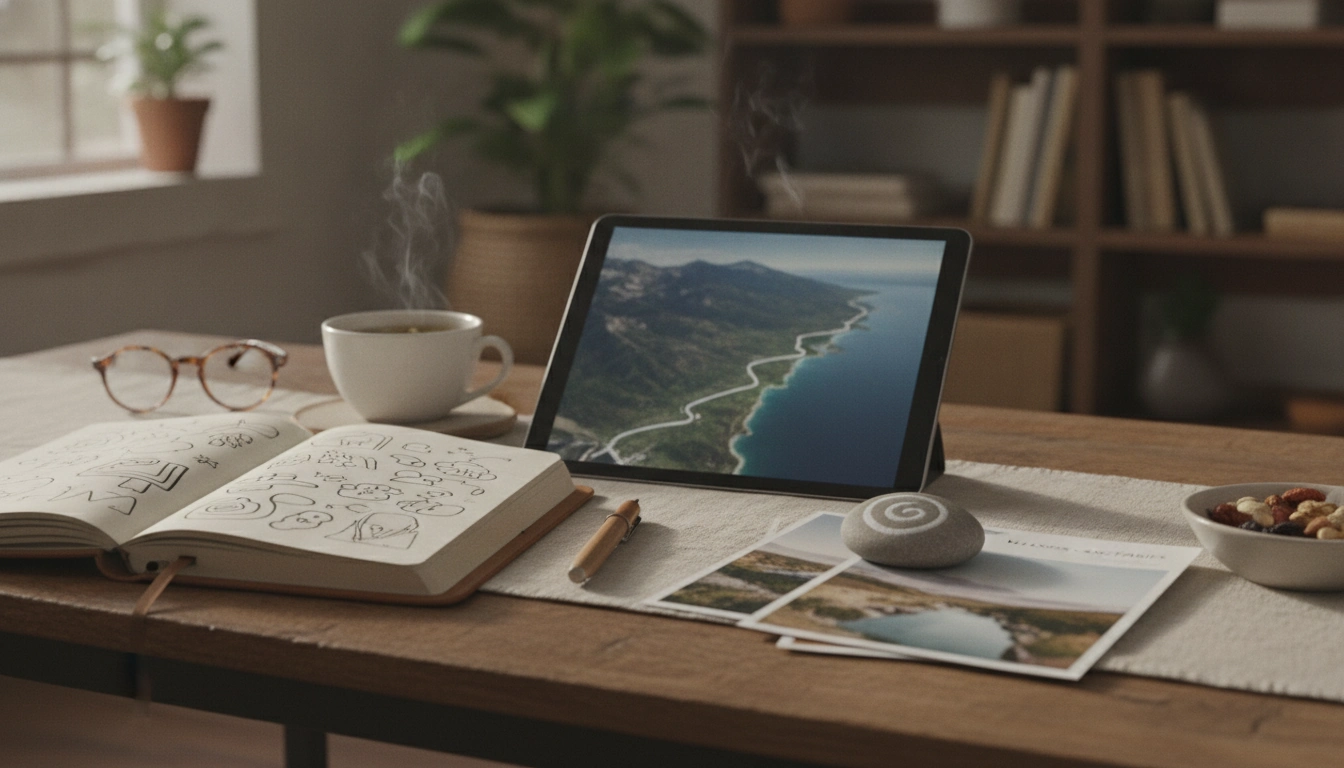
What is the best wellness retreat?
The best wellness retreat is the one that matches your primary goal, fits your budget, and feels doable to maintain once you’re back home. Rather than chasing the most famous destination, look for a program that delivers the right mix of structure and flexibility for your lifestyle.
Start with one clear goal
“Wellness” can mean stress relief, better sleep, weight management, emotional reset, or simply unplugging from screens. The best retreat for you will be built around that goal—such as yoga and mindfulness for stress, spa and recovery for burnout, or nutrition-focused programming for healthier routines.
Prioritize credible guidance and safe programming
Look for qualified instructors (yoga, meditation, fitness) and clear descriptions of what’s included. A strong retreat outlines daily schedules, activity intensity, and accommodations for different fitness levels. If a program makes extreme promises or relies on restrictive “detox” claims, it’s usually better to skip it.
Choose the right level of structure
Beginners often thrive with a predictable schedule: guided classes, simple meals, and designated downtime. More experienced travelers may prefer a lighter itinerary with optional sessions. The “best” retreat should leave you feeling supported—not rushed or overwhelmed.
Make sure the budget matches the experience
Cost doesn’t always equal quality. Many affordable retreats deliver excellent results by focusing on core habits (movement, mindfulness, sleep, nourishing meals) instead of luxury extras. For practical ways to find beginner-friendly options without overspending, see this guide to affordable wellness retreats for beginners.
A good retreat sends you home with a plan
The most valuable retreats translate the experience into real life: a simple mobility routine, a meditation practice you’ll repeat, sleep-supporting habits, or a realistic meal template. If you can picture yourself continuing two or three takeaways at home, you’ve likely found the best fit.
FAQ
How long should a wellness retreat be for beginners?
A long weekend (2–4 days) is often enough to reset routines without feeling intimidating. If you want deeper habit change, a 5–7 day retreat can help as long as the schedule includes ample rest.














Leave a comment