-
Shop
- Advanced Technologies
- AI Skills
- Bathroom
- Best-Sellers
- Car Accessories
- Confidence
- Dating & Social Skills
- Digital Resources
- AI & Technology
- Beauty
- Budgeting & Saving
- Car Buying & Ownership
- Cozy Feast Collection
- Electronics & Technology
- Entrepreneurship & Business Growth
- Financial Education
- Financial Independence
- Financial Mindset & Psychology
- Goal Setting
- Home Styling & Organization
- Kitchen & Recipes
- Leadership
- Mindfulness
- Mindset
- Online Business
- Parenting & Child Development
- Personal Style & Fashion
- Pet Lifestyle & Wellness
- Positive Thinking
- Sleep Improvement
- Smart Life with AI
- Stress Management & Relaxation
- Travel Planning
- Wellness
- Yoga & Fitness
- Yoga & Mind-Body Practices
- Education & Learning
- Family & Parenting
- Fashion
- Accessories
- Alexander McQueen
- Bags
- Bags & Wallets
- Balenciaga
- Belts
- Blazers
- Bottega Veneta
- Bottoms
- Brunello Cucinelli
- Burberry
- Chanel
- Chloé
- Dior
- Dolce & Gabbana
- Dresses
- Etro
- Fendi
- Gucci
- Hats & Hair Accessories
- Hoodies & Sweatshirts
- Jacquemus
- Jewelry
- Jil Sander
- Kiton
- Luggage
- Miu Miu
- Off-White
- Outerwear
- Prada
- Rick Owens
- Saint Laurent
- Shoes
- Socks & Tights
- Sweaters & Cardigans
- The Row
- Tom Ford
- Tops & Shirts
- Valentino
- Valentino Garavani
- Versace
- Vivienne Westwood
- Watches
- Fashion Accessories
- Furniture
- Gadgets
- Health & Beauty
- Health & Wellness
- Home & Garden
- Home Decor
- Home Electronics
- Home Supplies
- Kids & Babies
- Kitchen
- Kitchen Best-Sellers
- Lighting
- Patio, Lawn & Garden
- Personal Growth
- Pet Care
- Pet Supplies
- Pets
- Sport & Outdoors
- Super Deals
- Travel
- Travel & Adventure
- Wealth
- Popular
- Best deals
Make Your Cat’s Litter Box Smell Less: 6 Practical Tips
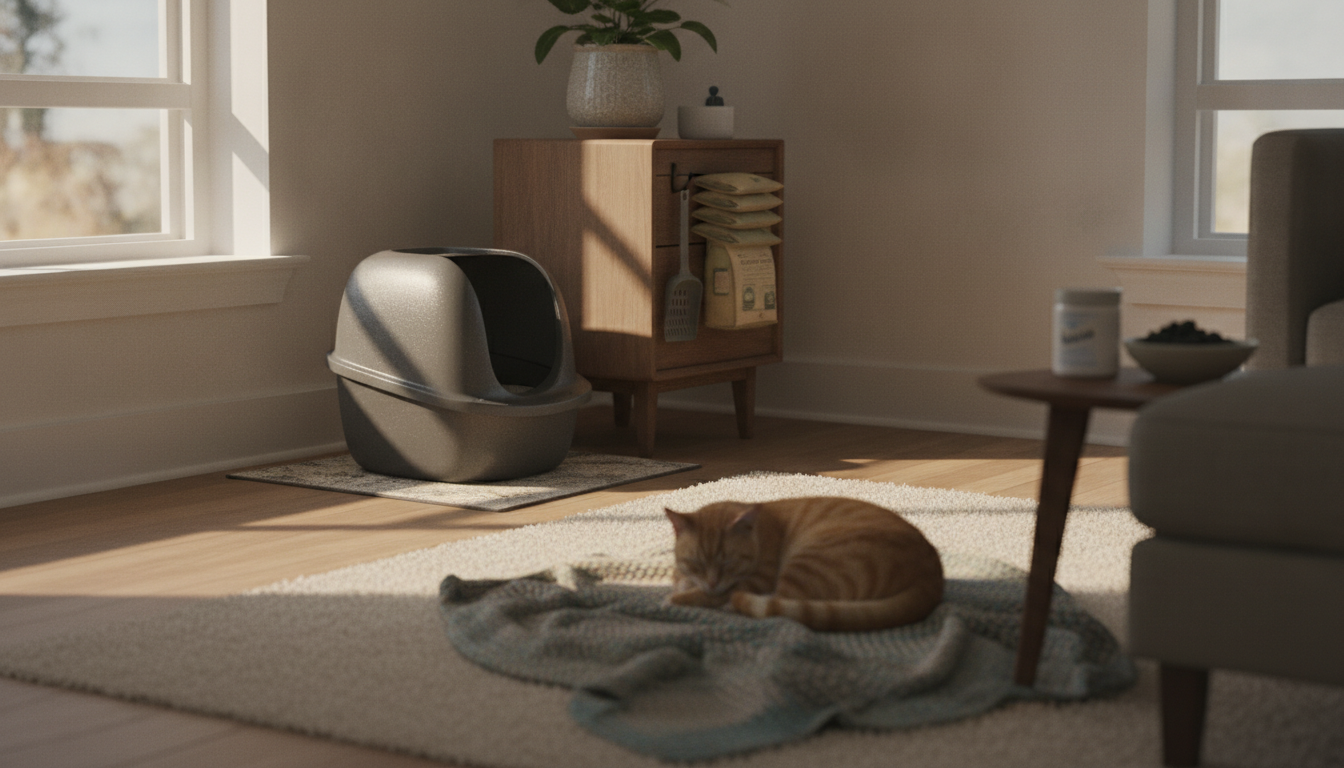
How do I make my cat’s litter box stink less?
Cutting litter box odor usually comes down to four things: faster waste removal, better litter performance, smarter box setup, and odor control at the source. A few small changes can make a noticeable difference within a day.
1) Scoop more often (and do it the right way)
Scoop at least once daily, twice if you can. Remove clumps plus any damp litter around them, since lingering moisture feeds odor. Use a metal scoop for cleaner edges and fewer leftovers stuck to the bottom.
2) Fully replace litter on a schedule
Even great clumping litter gets saturated over time. As a baseline, dump and wash the box every 2–4 weeks (more often for multi-cat homes). Scrub with mild unscented dish soap; avoid ammonia-based cleaners because they can intensify “urine” smell and may encourage repeat marking.
3) Choose a litter that controls odor without heavy perfume
Strong fragrance often mixes with waste smells and becomes worse. Look for low-dust, unscented clumping litter with activated carbon, baking soda, or similar odor binders. If your cat is picky, transition gradually by mixing the new litter in over 7–10 days.
4) Add odor control that’s safe and simple
Sprinkle a thin layer of baking soda under the litter (not on top where paws kick it up), or use litter deodorizer made for cats. Replace box liners often (or skip liners if they trap urine in wrinkles).
5) Upgrade airflow and containment
Covered boxes can trap stink. If you use one, pick a design with ventilation or a built-in deodorizing feature, and clean the lid and filter regularly. Keep the box in a dry, well-ventilated spot—never next to humid laundry or a damp basement corner.
6) Consider a deodorizing litter box setup
Modern options can reduce odor with sealed designs, carbon filters, and dedicated deodorizing components. For ideas, comparisons, and a stylish setup option, see this guide: stylish flowerpot cat litter box with smart deodorizing.
FAQ
How can I reduce litter tracking around the box?
Use a large litter mat, keep litter depth moderate (about 2–3 inches for most clumping litters), and trim long paw fur if your vet or groomer recommends it. A high-sided box can also help keep kicked litter contained.
Recommended for you



Stop Cat Litter Box Odor: Simple Daily Fixes
Aug 2, 2026













Leave a comment