-
Shop
- Advanced Technologies
- AI Skills
- Bathroom
- Best-Sellers
- Car Accessories
- Confidence
- Dating & Social Skills
- Digital Resources
- AI & Technology
- Beauty
- Budgeting & Saving
- Car Buying & Ownership
- Cozy Feast Collection
- Electronics & Technology
- Entrepreneurship & Business Growth
- Financial Education
- Financial Independence
- Financial Mindset & Psychology
- Goal Setting
- Home Styling & Organization
- Kitchen & Recipes
- Leadership
- Mindfulness
- Mindset
- Online Business
- Parenting & Child Development
- Personal Style & Fashion
- Pet Lifestyle & Wellness
- Positive Thinking
- Sleep Improvement
- Smart Life with AI
- Stress Management & Relaxation
- Travel Planning
- Wellness
- Yoga & Fitness
- Yoga & Mind-Body Practices
- Education & Learning
- Family & Parenting
- Fashion
- Accessories
- Alexander McQueen
- Bags
- Bags & Wallets
- Balenciaga
- Belts
- Blazers
- Bottega Veneta
- Bottoms
- Brunello Cucinelli
- Burberry
- Chanel
- Chloé
- Dior
- Dolce & Gabbana
- Dresses
- Etro
- Fendi
- Gucci
- Hats & Hair Accessories
- Hoodies & Sweatshirts
- Jacquemus
- Jewelry
- Jil Sander
- Kiton
- Luggage
- Miu Miu
- Off-White
- Outerwear
- Prada
- Rick Owens
- Saint Laurent
- Shoes
- Socks & Tights
- Sweaters & Cardigans
- The Row
- Tom Ford
- Tops & Shirts
- Valentino
- Valentino Garavani
- Versace
- Vivienne Westwood
- Watches
- Fashion Accessories
- Furniture
- Gadgets
- Health & Beauty
- Health & Wellness
- Home & Garden
- Home Decor
- Home Electronics
- Home Supplies
- Kids & Babies
- Kitchen
- Kitchen Best-Sellers
- Lighting
- Patio, Lawn & Garden
- Personal Growth
- Pet Care
- Pet Supplies
- Pets
- Sport & Outdoors
- Super Deals
- Travel
- Travel & Adventure
- Wealth
- Popular
- Best deals
Stylish Flowerpot Cat Litter Box With Smart Deodorizing
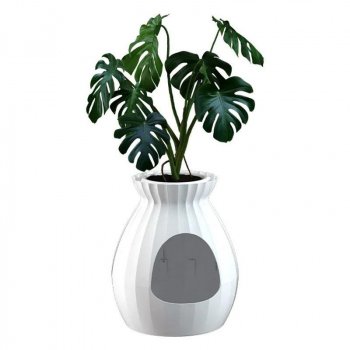
Modern Style That Doesn’t Scream “Litter Box”
A litter area can be functional without looking like a plastic box in the corner. A flowerpot-style enclosure is designed to blend into modern rooms while prioritizing what cats need most: roomy access, privacy, and more consistent odor control. With smart deodorization built in, it’s meant to help small spaces feel fresher between cleanings, while a spacious interior supports everyday comfort for a wider range of cat sizes and household routines.
Why a flowerpot-style enclosure works in modern homes
When the litter box has to live where people actually spend time, design matters—but it can’t come at the cat’s expense. A flowerpot-style litter enclosure offers a cleaner silhouette that looks more like home décor than pet gear, making it easier to place in visible corners of living rooms, bedrooms, or entryways.
- Disguised shape helps the litter area blend into modern interiors instead of being hidden away.
- An enclosed form encourages privacy, which many cats prefer and can help keep scatter contained.
- Décor-friendly footprint is easier to place in apartments where space is limited.
- When a box looks acceptable in a main room, it’s more likely to stay accessible for the cat (instead of being tucked into an inconvenient spot).
For general best practices on cat care and home comfort, the American Veterinary Medical Association (AVMA) and International Cat Care offer practical guidance on cat needs and litter tray setup.
Spacious design: comfort, access, and multi-cat practicality
“Roomy” isn’t just a luxury feature. A cat that can comfortably enter, turn, dig, and posture is less likely to have near-miss accidents that land just outside the box. A more spacious enclosure also reduces the cramped feeling that sometimes comes with furniture-style litter cabinets.
- Roomier interiors support natural turning and digging behaviors, which can reduce “edge” accidents.
- Enclosure height can help contain enthusiastic diggers and reduce overspray for some cats.
- Better fit for larger adult cats than compact hidden-box designs that look nice but feel tight.
- In multi-cat homes, a roomy enclosure can be one station—pair it with additional boxes rather than relying on a single setup.
If you’re troubleshooting accidents or avoidance, environmental factors (location, cleanliness, stress) can be just as important as the box itself. The ASPCA’s litter box guidance is a helpful reference when habits suddenly change.
Smart deodorization: how odor control is addressed
Odor control works best when it tackles both airborne smell and the “trapped” odor that can build up inside enclosed designs. Smart deodorization is intended to support ongoing freshness between scoop sessions—especially useful when the litter box must live in a shared space like a studio apartment, open-plan living room, or home office.
- Targets day-to-day freshness between cleanings, rather than only masking odors after the fact.
- Helpful for odor-sensitive rooms where guests (and you) will notice smells faster.
- Best results come from layering: consistent scooping + quality litter + deodorization support.
- A closed design can concentrate odor if neglected; deodorization supports routine care but doesn’t replace it.
Daily routine: setup, training, and placement
A great litter box can underperform if placement and transition are rushed. Set the enclosure up where your cat can reach it quickly and use it without feeling cornered or startled.
- Choose a low-traffic area with easy access; avoid loud appliances that may spook cautious cats.
- Transition gradually when possible: allow the cat to explore, and add a small amount of their current litter to carry familiar scent.
- Scoop at least once daily; in warm climates or multi-cat homes, twice daily can cut ammonia buildup dramatically.
- Keep food and water separate from the litter area to support hygiene and consistent box use.
Cleaning and maintenance checklist
Enclosed boxes look tidy, but they still need a simple schedule to prevent odor film and residue from building up on interior surfaces.
At-a-glance comparison: décor-friendly enclosed boxes vs common alternatives
| Style | Helps with | Potential drawback | Best fit |
|---|---|---|---|
| Flowerpot-style enclosed with deodorization | Visibility in living spaces, ongoing odor support, litter containment | Some cats need time to accept an enclosed space | Apartments, open-plan homes, odor-sensitive rooms |
| Standard open pan | Easy access, simple cleaning, good for timid cats | More odor escape, more scatter | Cats that dislike covers, homes with dedicated laundry/utility space |
| Top-entry box | High containment, reduced tracking for some cats | Not ideal for seniors or mobility issues | Young/adult agile cats; households with dogs that raid litter |
| Litter cabinet/furniture | Hides box visually, adds storage | Can be cramped; airflow varies | Homes prioritizing concealed look with adequate interior space |
Choosing the right litter and odor strategy for an enclosed design
Shop in-stock picks
- Modern Flowerpot-Style Cat Litter Box with Smart Deodorization and Spacious Design
- AI for Small Business Toolkit – 5-in-1 Digital Download Bundle
FAQ
Which litter box is best for preventing odor?
Odor control comes from a combination of daily scooping, a quality clumping (or otherwise odor-locking) litter, and a design that helps limit how quickly smells spread into the room. Enclosed boxes with built-in deodorization can be a strong option when the box needs to sit in a living area, but routine cleaning still makes the biggest difference.
What is the best smart litter box?
The best choice depends on what “smart” means for your home: some products focus on deodorization and freshness support, while others are fully automatic self-cleaning systems. Choose based on your cat’s comfort with enclosed spaces and noise, plus your priorities—odor management versus hands-off cleanup.
Where can I find an extra large cat litter cabinet?
Look for listings that clearly state interior dimensions, entry size, ventilation, and how easy the surfaces are to wipe down. Extra-large décor-style enclosures are often a better fit than compact furniture cabinets that look roomy outside but feel tight inside.













Leave a comment