-
Shop
- Advanced Technologies
- AI Skills
- Bathroom
- Best-Sellers
- Car Accessories
- Confidence
- Dating & Social Skills
- Digital Resources
- AI & Technology
- Beauty
- Budgeting & Saving
- Car Buying & Ownership
- Cozy Feast Collection
- Electronics & Technology
- Entrepreneurship & Business Growth
- Financial Education
- Financial Independence
- Financial Mindset & Psychology
- Goal Setting
- Home Styling & Organization
- Kitchen & Recipes
- Leadership
- Mindfulness
- Mindset
- Online Business
- Parenting & Child Development
- Personal Style & Fashion
- Pet Lifestyle & Wellness
- Positive Thinking
- Sleep Improvement
- Smart Life with AI
- Stress Management & Relaxation
- Travel Planning
- Wellness
- Yoga & Fitness
- Yoga & Mind-Body Practices
- Education & Learning
- Family & Parenting
- Fashion
- Accessories
- Alexander McQueen
- Bags
- Bags & Wallets
- Balenciaga
- Belts
- Blazers
- Bottega Veneta
- Bottoms
- Brunello Cucinelli
- Burberry
- Chanel
- Chloé
- Dior
- Dolce & Gabbana
- Dresses
- Etro
- Fendi
- Gucci
- Hats & Hair Accessories
- Hoodies & Sweatshirts
- Jacquemus
- Jewelry
- Jil Sander
- Kiton
- Luggage
- Miu Miu
- Off-White
- Outerwear
- Prada
- Rick Owens
- Saint Laurent
- Shoes
- Socks & Tights
- Sweaters & Cardigans
- The Row
- Tom Ford
- Tops & Shirts
- Valentino
- Valentino Garavani
- Versace
- Vivienne Westwood
- Watches
- Fashion Accessories
- Furniture
- Gadgets
- Health & Beauty
- Health & Wellness
- Home & Garden
- Home Decor
- Home Electronics
- Home Supplies
- Kids & Babies
- Kitchen
- Kitchen Best-Sellers
- Lighting
- Patio, Lawn & Garden
- Personal Growth
- Pet Care
- Pet Supplies
- Pets
- Sport & Outdoors
- Super Deals
- Travel
- Travel & Adventure
- Wealth
- Popular
- Best deals
Sensor bins: worth the price for your kitchen?
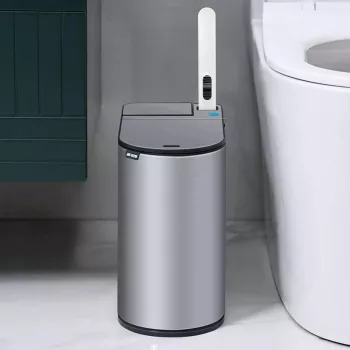
Are sensor bins worth it?
Sensor bins can be worth it when convenience, cleanliness, and odor control matter more than the higher upfront price. A touchless lid helps limit the spread of germs from hands to the can, keeps mess contained while cooking, and makes tossing scraps easier when your hands are full. For many kitchens, that day-to-day ease is the main payoff.
When a sensor bin is a smart buy
They tend to shine in busy households, especially with kids, frequent cooking, or anyone who wants to avoid touching shared surfaces. The lid opening automatically can reduce drips and crumbs around the rim because you’re not fumbling with a foot pedal or lid handle. Many models also close more tightly than basic cans, which can noticeably cut down on smells between bag changes.
When it may not be worth it
If you’re trying to spend as little as possible, a quality step can is usually the better value. Sensor bins also introduce “maintenance” you don’t have with simpler cans: batteries (or charging), sensors that can get smudged, and lids that may misfire if placed too close to a wall or high-traffic pathway. In smaller spaces, accidental openings can be annoying and drain power faster.
What to look for so it feels worth the money
Prioritize a responsive sensor with adjustable range (or a narrow trigger zone), a quiet and quick-close lid, and a strong seal. Check that bags are easy to swap without tearing and that the inner bucket (if included) is removable for cleaning. A sturdy hinge and fingerprint-resistant finish can make a bigger difference over time than extra features.
For a deeper breakdown of pros, cons, and what to consider before buying, visit the full guide on whether sensor bins are worth it.
FAQ
Do sensor bins smell less than regular trash cans?
Often, yes—mainly because many sensor bins close more tightly and open for shorter periods. Odor control still depends on how well the lid seals and how often the trash is taken out.















Leave a comment