-
Shop
- Advanced Technologies
- AI Skills
- Bathroom
- Best-Sellers
- Car Accessories
- Confidence
- Dating & Social Skills
- Digital Resources
- AI & Technology
- Beauty
- Budgeting & Saving
- Car Buying & Ownership
- Cozy Feast Collection
- Electronics & Technology
- Entrepreneurship & Business Growth
- Financial Education
- Financial Independence
- Financial Mindset & Psychology
- Goal Setting
- Home Styling & Organization
- Kitchen & Recipes
- Leadership
- Mindfulness
- Mindset
- Online Business
- Parenting & Child Development
- Personal Style & Fashion
- Pet Lifestyle & Wellness
- Positive Thinking
- Sleep Improvement
- Smart Life with AI
- Stress Management & Relaxation
- Travel Planning
- Wellness
- Yoga & Fitness
- Yoga & Mind-Body Practices
- Education & Learning
- Family & Parenting
- Fashion
- Accessories
- Alexander McQueen
- Bags
- Bags & Wallets
- Balenciaga
- Belts
- Blazers
- Bottega Veneta
- Bottoms
- Brunello Cucinelli
- Burberry
- Chanel
- Chloé
- Dior
- Dolce & Gabbana
- Dresses
- Etro
- Fendi
- Gucci
- Hats & Hair Accessories
- Hoodies & Sweatshirts
- Jacquemus
- Jewelry
- Jil Sander
- Kiton
- Luggage
- Miu Miu
- Off-White
- Outerwear
- Prada
- Rick Owens
- Saint Laurent
- Shoes
- Socks & Tights
- Sweaters & Cardigans
- The Row
- Tom Ford
- Tops & Shirts
- Valentino
- Valentino Garavani
- Versace
- Vivienne Westwood
- Watches
- Fashion Accessories
- Furniture
- Gadgets
- Health & Beauty
- Health & Wellness
- Home & Garden
- Home Decor
- Home Electronics
- Home Supplies
- Kids & Babies
- Kitchen
- Kitchen Best-Sellers
- Lighting
- Patio, Lawn & Garden
- Personal Growth
- Pet Care
- Pet Supplies
- Pets
- Sport & Outdoors
- Super Deals
- Travel
- Travel & Adventure
- Wealth
- Popular
- Best deals
Are Sensor Trash Cans Worth It? Pros, Cons, Tips
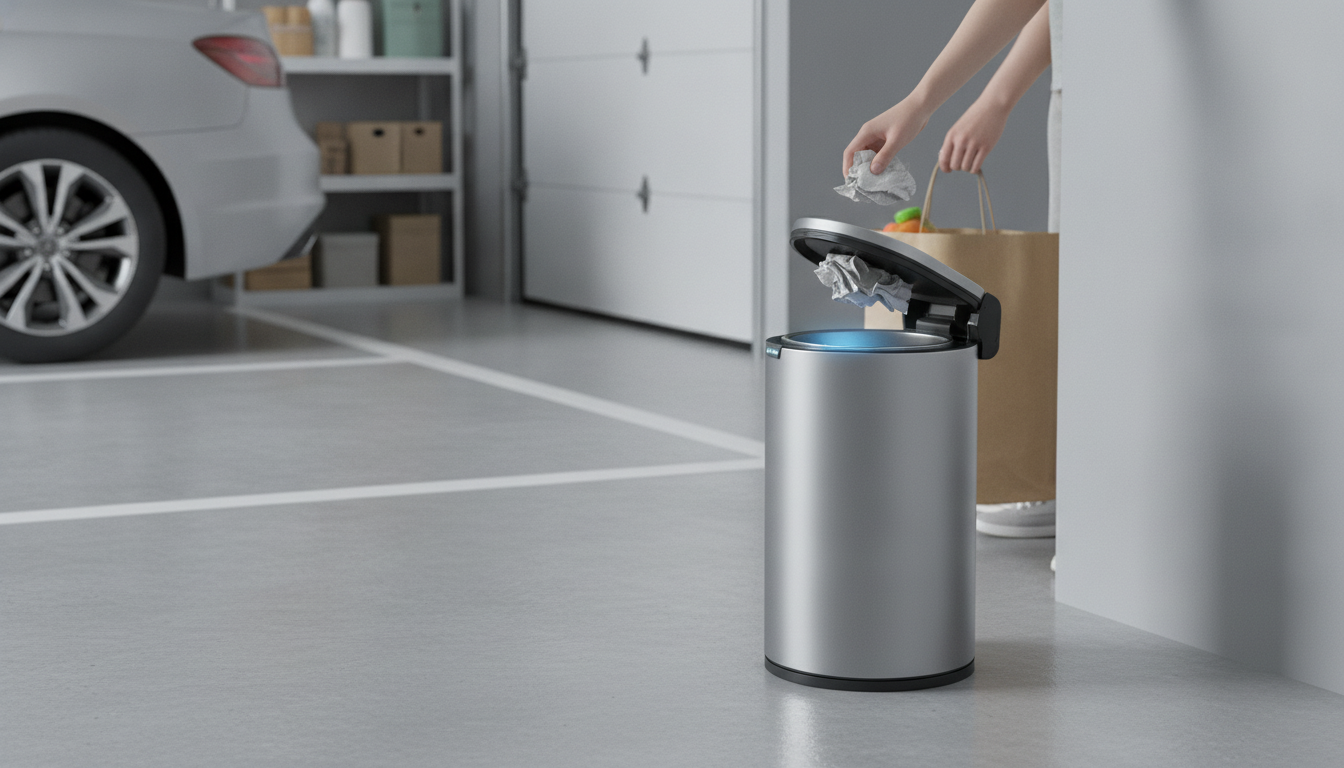
Are sensor trash cans worth it?
Sensor trash cans are worth it for many kitchens because they reduce mess, limit contact with germs, and make daily cleanup faster. The biggest payoff is hands-free convenience—when your hands are full or messy, the lid opens automatically, keeping drips and fingerprints off the can.
When a sensor trash can is a smart upgrade
If your household cooks often, has kids, or deals with sticky packaging and food scraps, a touchless lid can noticeably improve cleanliness. Many models also seal more tightly than basic open-top bins, which can help with odors and discourage pets from investigating. In high-traffic areas like kitchens, laundry rooms, and home offices, the “walk up and toss” experience feels genuinely easier than stepping on a pedal or touching a lid.
When it may not be worth it
The main trade-offs are cost, power, and reliability. Sensor cans are typically more expensive than step cans, and they require batteries (or charging). Cheaper units can be slow to respond, open accidentally when someone walks by, or struggle in bright sunlight or tight spaces where the sensor gets triggered repeatedly. If you need a simple, no-maintenance bin for a garage or basement, a basic step can may be the better value.
What to look for so you don’t regret the purchase
Prioritize a responsive sensor, a lid that closes quietly and fully, and an inner ring or liner system that keeps bags from slipping. Stainless steel bodies tend to look better over time, while fingerprint-resistant finishes reduce smudges. Also check the opening size (some lids don’t lift high enough for bulky trash) and whether the can uses standard bags or proprietary liners.
For a deeper breakdown of pros, cons, and buying tips, read the full guide here: https://bestsellis.com/are-sensor-trash-cans-worth-it/.
FAQ
Do sensor trash cans need special bags?
Most work with standard trash bags, but some brands recommend custom liners for a tighter fit and cleaner look. Before buying, confirm the listed capacity and whether a bag-retaining ring is included.















Leave a comment