-
Shop
- Advanced Technologies
- AI Skills
- Bathroom
- Best-Sellers
- Car Accessories
- Confidence
- Dating & Social Skills
- Digital Resources
- AI & Technology
- Beauty
- Budgeting & Saving
- Car Buying & Ownership
- Cozy Feast Collection
- Electronics & Technology
- Entrepreneurship & Business Growth
- Financial Education
- Financial Independence
- Financial Mindset & Psychology
- Goal Setting
- Home Styling & Organization
- Kitchen & Recipes
- Leadership
- Mindfulness
- Mindset
- Online Business
- Parenting & Child Development
- Personal Style & Fashion
- Pet Lifestyle & Wellness
- Positive Thinking
- Sleep Improvement
- Smart Life with AI
- Stress Management & Relaxation
- Travel Planning
- Wellness
- Yoga & Fitness
- Yoga & Mind-Body Practices
- Education & Learning
- Family & Parenting
- Fashion
- Accessories
- Alexander McQueen
- Bags
- Bags & Wallets
- Balenciaga
- Belts
- Blazers
- Bottega Veneta
- Bottoms
- Brunello Cucinelli
- Burberry
- Chanel
- Chloé
- Dior
- Dolce & Gabbana
- Dresses
- Etro
- Fendi
- Gucci
- Hats & Hair Accessories
- Hoodies & Sweatshirts
- Jacquemus
- Jewelry
- Jil Sander
- Kiton
- Luggage
- Miu Miu
- Off-White
- Outerwear
- Prada
- Rick Owens
- Saint Laurent
- Shoes
- Socks & Tights
- Sweaters & Cardigans
- The Row
- Tom Ford
- Tops & Shirts
- Valentino
- Valentino Garavani
- Versace
- Vivienne Westwood
- Watches
- Fashion Accessories
- Furniture
- Gadgets
- Health & Beauty
- Health & Wellness
- Home & Garden
- Home Decor
- Home Electronics
- Home Supplies
- Kids & Babies
- Kitchen
- Kitchen Best-Sellers
- Lighting
- Patio, Lawn & Garden
- Personal Growth
- Pet Care
- Pet Supplies
- Pets
- Sport & Outdoors
- Super Deals
- Travel
- Travel & Adventure
- Wealth
- Popular
- Best deals
Positive Reinforcement Dog Discipline: A Calm, Reward-Based Guide
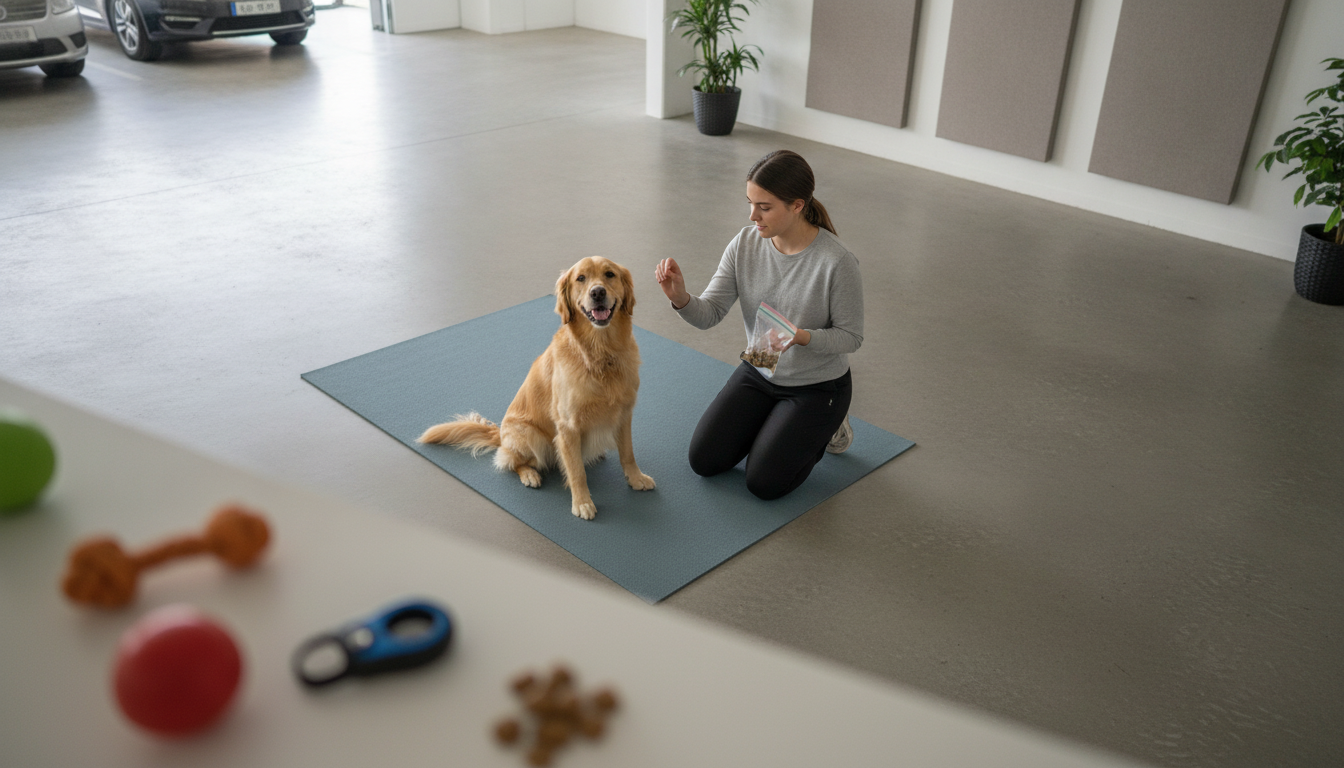
How do you discipline a dog with positive reinforcement?
“Discipline” with positive reinforcement means teaching your dog what to do instead of punishing what you don’t want. The goal is to make the right choice easy and rewarding, while calmly preventing or redirecting mistakes. This approach builds trust, speeds up learning, and reduces fear-based behaviors.
1) Define the behavior you want (not just the one you dislike)
If your dog jumps on guests, the replacement behavior could be “sit” or “four paws on the floor.” If your dog chews shoes, the replacement might be “chew this toy.” Dogs learn faster when there’s a clear, doable alternative.
2) Reward quickly and consistently
Mark the correct behavior the moment it happens, then reward. A tiny treat, a favorite toy, or praise can work—choose what your dog values most. Early on, reward every success; later, you can switch to intermittent rewards to maintain the habit.
3) Manage the environment to prevent rehearsal of bad habits
Use baby gates, crates, leashes, and closed doors to block access to trouble spots. Put shoes away, cover trash bins, and provide legal chew options. Preventing repeated mistakes is a powerful form of “discipline” because it removes opportunities to practice the wrong behavior.
4) Redirect calmly instead of correcting harshly
When your dog starts doing the unwanted behavior, interrupt gently (call their name, use a cue like “come,” or offer a toy), then reward the behavior you want. Avoid yelling or physical corrections, which can increase anxiety and make behavior issues worse.
5) Teach simple cues that replace chaos
Foundational skills like “sit,” “down,” “leave it,” “drop it,” and “go to mat” give your dog a clear path to earn rewards. Short, upbeat sessions—just a few minutes—work better than long drills.
For a step-by-step beginner-friendly walkthrough, see this guide to positive reinforcement training.
FAQ
What should you do when your dog ignores a command?
Lower the difficulty: reduce distractions, increase the value of the reward, and make sure your dog understands the cue. If needed, guide them with a simpler step, reward success, and build back up gradually.















Leave a comment