-
Shop
- Advanced Technologies
- AI Skills
- Bathroom
- Best-Sellers
- Car Accessories
- Confidence
- Dating & Social Skills
- Digital Resources
- AI & Technology
- Beauty
- Budgeting & Saving
- Car Buying & Ownership
- Cozy Feast Collection
- Electronics & Technology
- Entrepreneurship & Business Growth
- Financial Education
- Financial Independence
- Financial Mindset & Psychology
- Goal Setting
- Home Styling & Organization
- Kitchen & Recipes
- Leadership
- Mindfulness
- Mindset
- Online Business
- Parenting & Child Development
- Personal Style & Fashion
- Pet Lifestyle & Wellness
- Positive Thinking
- Sleep Improvement
- Smart Life with AI
- Stress Management & Relaxation
- Travel Planning
- Wellness
- Yoga & Fitness
- Yoga & Mind-Body Practices
- Education & Learning
- Family & Parenting
- Fashion
- Accessories
- Alexander McQueen
- Bags
- Bags & Wallets
- Balenciaga
- Belts
- Blazers
- Bottega Veneta
- Bottoms
- Brunello Cucinelli
- Burberry
- Chanel
- Chloé
- Dior
- Dolce & Gabbana
- Dresses
- Etro
- Fendi
- Gucci
- Hats & Hair Accessories
- Hoodies & Sweatshirts
- Jacquemus
- Jewelry
- Jil Sander
- Kiton
- Luggage
- Miu Miu
- Off-White
- Outerwear
- Prada
- Rick Owens
- Saint Laurent
- Shoes
- Socks & Tights
- Sweaters & Cardigans
- The Row
- Tom Ford
- Tops & Shirts
- Valentino
- Valentino Garavani
- Versace
- Vivienne Westwood
- Watches
- Fashion Accessories
- Furniture
- Gadgets
- Health & Beauty
- Health & Wellness
- Home & Garden
- Home Decor
- Home Electronics
- Home Supplies
- Kids & Babies
- Kitchen
- Kitchen Best-Sellers
- Lighting
- Patio, Lawn & Garden
- Personal Growth
- Pet Care
- Pet Supplies
- Pets
- Sport & Outdoors
- Super Deals
- Travel
- Travel & Adventure
- Wealth
- Popular
- Best deals
Best Sweat Stain Remover for White Shirts (Oxygen Bleach)
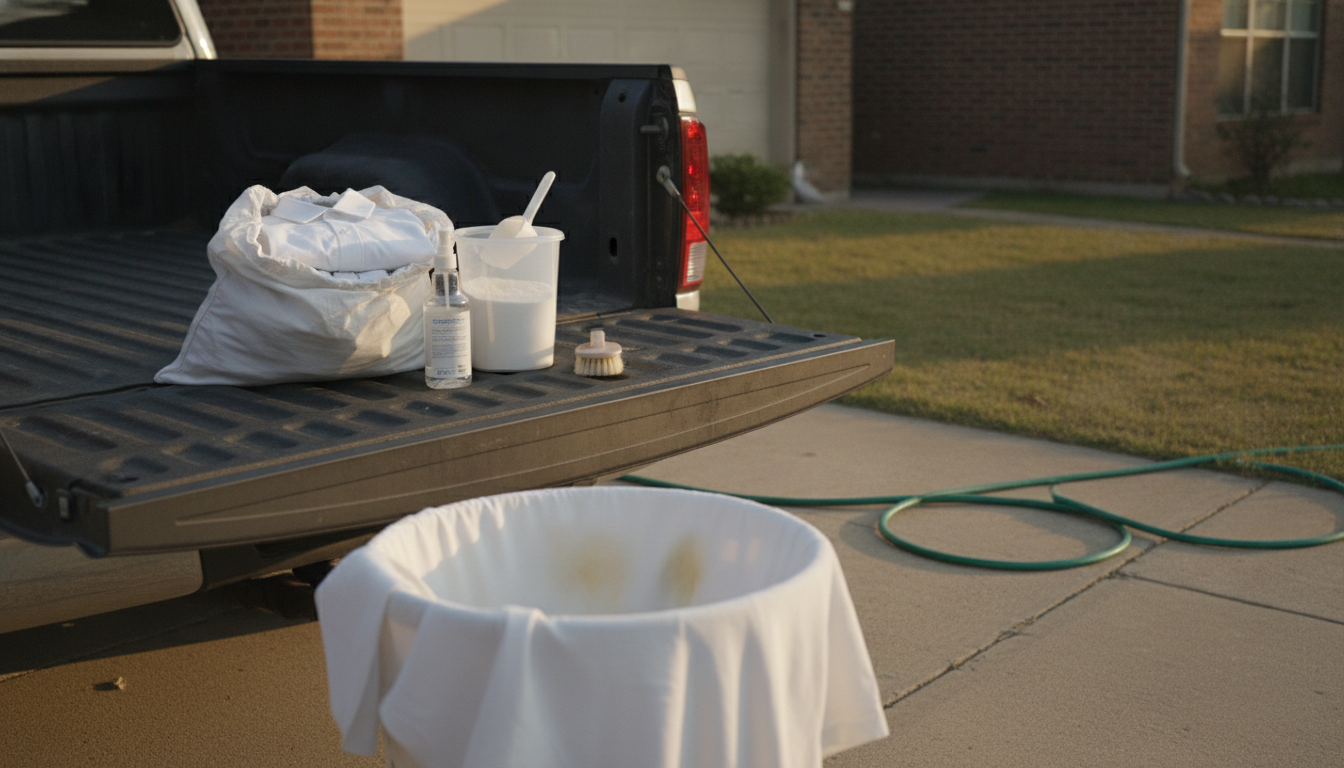
What is the best product to remove sweat stains from white shirts?
For most white shirts, the most reliable “one product” option is a high-quality oxygen bleach (sodium percarbonate) laundry booster. It’s tough on the yellowing that comes from sweat and deodorant buildup, but it’s generally safer for white cotton and many cotton blends than chlorine bleach. Used as a soak or added to a warm wash, oxygen bleach lifts the stain compounds gradually instead of weakening fibers.
If you need faster spot treatment, a thick stain-remover paste made from oxygen bleach and a small amount of water works well because it stays concentrated where the discoloration lives (usually the underarm seams). Let it sit, then wash. For shirts that are labeled “whites only” and are sturdy cotton, chlorine bleach can brighten overall whiteness, but it can also set certain deodorant residues or damage elastics and blends—so it’s best reserved for occasional use and only when the care label allows.
Two quick tips that make any product work better: treat stains before the shirt hits a hot dryer, and wash whites with a detergent formulated for enzymes and body soils. If you’re dealing with stubborn, old yellow underarm stains, the step-by-step methods and product options are covered here: remove yellow underarm stains from white shirts.
For Best Sweat Stain Remover for White Shirts (Oxygen Bleach), the best answer depends on fit, material, care instructions, and how the product will be used day to day.
Checking those details first helps avoid a poor match and keeps the choice practical after delivery.
For Best Sweat Stain Remover for White Shirts (Oxygen Bleach), the best answer depends on fit, material, care instructions, and how the product will be used day to day.
Checking those details first helps avoid a poor match and keeps the choice practical after delivery.
FAQ
How do I prevent underarm stains from coming back?
Let deodorant fully dry before dressing, and avoid over-applying. Wash shirts soon after wearing, and use a detergent plus an oxygen bleach booster regularly to prevent residue buildup.














Leave a comment