-
Shop
- Advanced Technologies
- AI Skills
- Bathroom
- Best-Sellers
- Car Accessories
- Confidence
- Dating & Social Skills
- Digital Resources
- AI & Technology
- Beauty
- Budgeting & Saving
- Car Buying & Ownership
- Cozy Feast Collection
- Electronics & Technology
- Entrepreneurship & Business Growth
- Financial Education
- Financial Independence
- Financial Mindset & Psychology
- Goal Setting
- Home Styling & Organization
- Kitchen & Recipes
- Leadership
- Mindfulness
- Mindset
- Online Business
- Parenting & Child Development
- Personal Style & Fashion
- Pet Lifestyle & Wellness
- Positive Thinking
- Sleep Improvement
- Smart Life with AI
- Stress Management & Relaxation
- Travel Planning
- Wellness
- Yoga & Fitness
- Yoga & Mind-Body Practices
- Education & Learning
- Family & Parenting
- Fashion
- Accessories
- Alexander McQueen
- Bags
- Bags & Wallets
- Balenciaga
- Belts
- Blazers
- Bottega Veneta
- Bottoms
- Brunello Cucinelli
- Burberry
- Chanel
- Chloé
- Dior
- Dolce & Gabbana
- Dresses
- Etro
- Fendi
- Gucci
- Hats & Hair Accessories
- Hoodies & Sweatshirts
- Jacquemus
- Jewelry
- Jil Sander
- Kiton
- Luggage
- Miu Miu
- Off-White
- Outerwear
- Prada
- Rick Owens
- Saint Laurent
- Shoes
- Socks & Tights
- Sweaters & Cardigans
- The Row
- Tom Ford
- Tops & Shirts
- Valentino
- Valentino Garavani
- Versace
- Vivienne Westwood
- Watches
- Fashion Accessories
- Furniture
- Gadgets
- Health & Beauty
- Health & Wellness
- Home & Garden
- Home Decor
- Home Electronics
- Home Supplies
- Kids & Babies
- Kitchen
- Kitchen Best-Sellers
- Lighting
- Patio, Lawn & Garden
- Personal Growth
- Pet Care
- Pet Supplies
- Pets
- Sport & Outdoors
- Super Deals
- Travel
- Travel & Adventure
- Wealth
- Popular
- Best deals
Commercial Ice Machine Output: Daily Capacity Explained
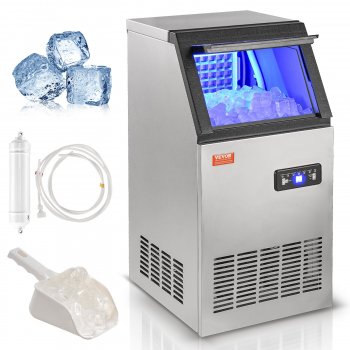
How much ice can a commercial ice machine produce per day?
Commercial ice machines are typically rated by how many pounds of ice they can produce in 24 hours under standard test conditions. Depending on the model and setting, daily production can range from about 50 lb/day for compact undercounter units to 1,000+ lb/day for high-volume, modular setups used in busy restaurants, hotels, and event venues.
For many small businesses, an ice maker in the 80 lb/day range is a practical sweet spot—enough for steady drink service without requiring a large footprint. If you want a concrete example of what to expect from a mid-capacity unit (including storage considerations), see this guide: 80 lb/day commercial ice maker with 27.5 lb bin guide.
What “per day” ratings really mean
The “per day” number is measured with specific ambient air and incoming water temperatures (often around 70°F air and 50°F water). In real kitchens, warmer air, warmer water, poor ventilation, or scale buildup can noticeably reduce output. It’s common to see production drop when the machine is installed near heat sources or in tight cabinetry without proper airflow.
Production vs. storage: both matter
Daily production tells you how much ice can be made over time, but the bin capacity tells you how much can be on hand at once. A machine might produce 80 lb/day but only store 25–30 lb at a time, meaning it relies on continuous cycling to keep up. If your demand spikes at specific hours (lunch rush, happy hour, catered events), storage capacity becomes just as important as the 24-hour rating.
Picking the right size for your operation
Start by estimating peak usage, not just average usage. Consider beverages per hour, ice-to-drink style (cubed vs. nugget), and any non-beverage needs (food display, prep, smoothies). Then add a buffer for hot days and future growth so you’re not running short when conditions are least forgiving.
FAQ
How do I choose the right bin size for my ice machine?
Match bin capacity to your busiest service window. If demand spikes in short bursts, a larger bin helps prevent shortages even if the machine’s daily production is adequate.
Recommended for you
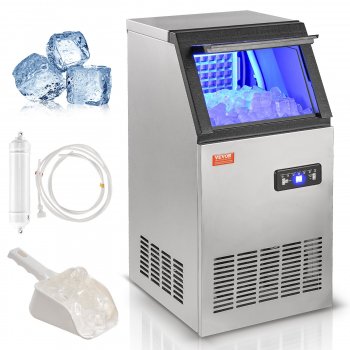

80 lb/Day Commercial Ice Maker: 27.5 lb Bin Guide
Jul 18, 2026













Leave a comment