-
Shop
- Advanced Technologies
- AI Skills
- Bathroom
- Best-Sellers
- Car Accessories
- Confidence
- Dating & Social Skills
- Digital Resources
- AI & Technology
- Beauty
- Budgeting & Saving
- Car Buying & Ownership
- Cozy Feast Collection
- Electronics & Technology
- Entrepreneurship & Business Growth
- Financial Education
- Financial Independence
- Financial Mindset & Psychology
- Goal Setting
- Home Styling & Organization
- Kitchen & Recipes
- Leadership
- Mindfulness
- Mindset
- Online Business
- Parenting & Child Development
- Personal Style & Fashion
- Pet Lifestyle & Wellness
- Positive Thinking
- Sleep Improvement
- Smart Life with AI
- Stress Management & Relaxation
- Travel Planning
- Wellness
- Yoga & Fitness
- Yoga & Mind-Body Practices
- Education & Learning
- Family & Parenting
- Fashion
- Accessories
- Alexander McQueen
- Bags
- Bags & Wallets
- Balenciaga
- Belts
- Blazers
- Bottega Veneta
- Bottoms
- Brunello Cucinelli
- Burberry
- Chanel
- Chloé
- Dior
- Dolce & Gabbana
- Dresses
- Etro
- Fendi
- Gucci
- Hats & Hair Accessories
- Hoodies & Sweatshirts
- Jacquemus
- Jewelry
- Jil Sander
- Kiton
- Luggage
- Miu Miu
- Off-White
- Outerwear
- Prada
- Rick Owens
- Saint Laurent
- Shoes
- Socks & Tights
- Sweaters & Cardigans
- The Row
- Tom Ford
- Tops & Shirts
- Valentino
- Valentino Garavani
- Versace
- Vivienne Westwood
- Watches
- Fashion Accessories
- Furniture
- Gadgets
- Health & Beauty
- Health & Wellness
- Home & Garden
- Home Decor
- Home Electronics
- Home Supplies
- Kids & Babies
- Kitchen
- Kitchen Best-Sellers
- Lighting
- Patio, Lawn & Garden
- Personal Growth
- Pet Care
- Pet Supplies
- Pets
- Sport & Outdoors
- Super Deals
- Travel
- Travel & Adventure
- Wealth
- Popular
- Best deals
Living Room Baby-Proofing Checklist: Safety Tips for Parents
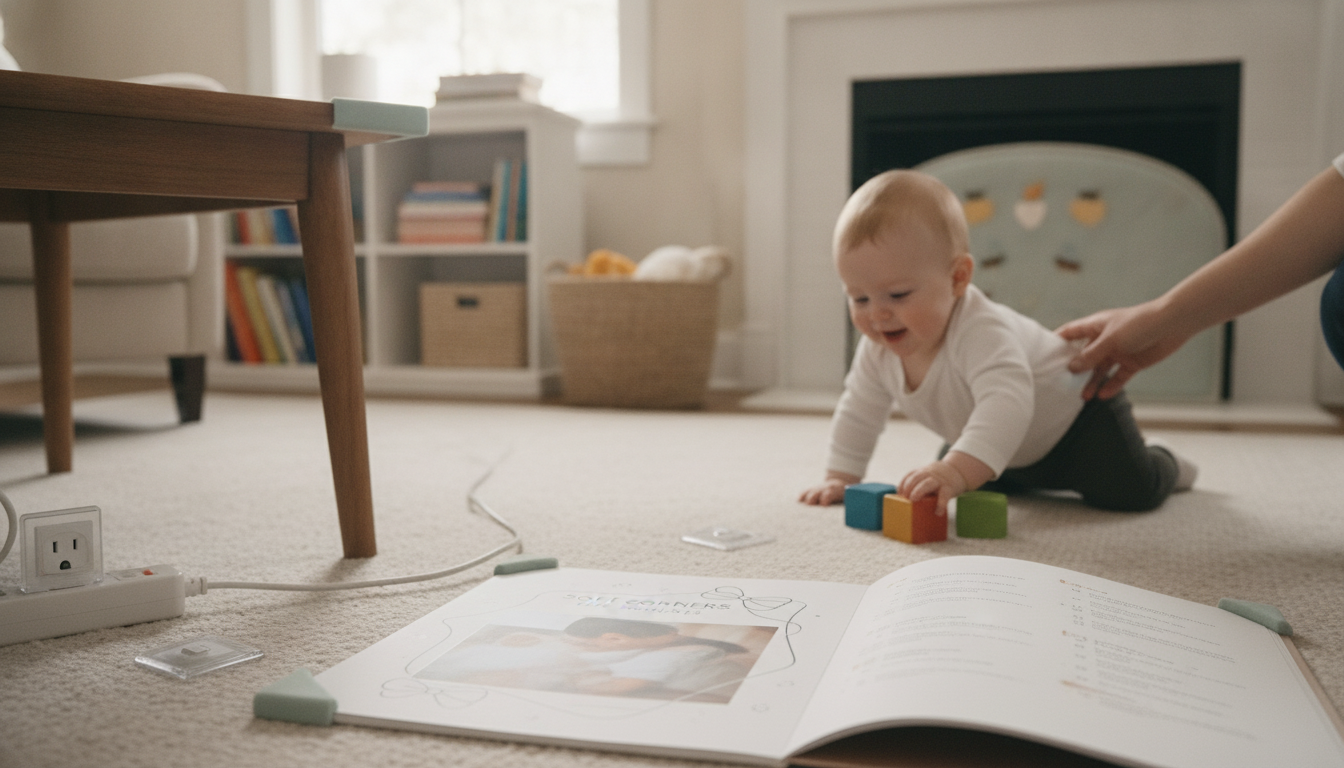
Soft Corners, Safe Moments: Living Room Safety Guide for Parents
The living room is where babies roll, crawl, pull up, and tumble—often within arm’s reach of hard edges, cords, and heavy furniture. A few targeted changes can lower the odds of bumps, falls, tip-overs, and choking hazards without turning your home into a padded room. Use the steps below as a practical, room-by-room checklist that grows with your child.
Start with a quick hazard scan (5 minutes)
Before buying anything, do a fast “baby-eye view” audit. This helps you spot what’s actually risky in your specific layout.
- Get down to baby height and look for sharp corners, dangling cords, unstable décor, and small objects under furniture.
- Identify “pull-to-stand” targets: coffee tables, media consoles, shelves, couches, and low side tables.
- Note common drop zones: remote controls, coins, batteries, earbuds, pet toys, and small accessories.
- Set a temporary safe zone using a play yard or gated area while changes are made.
If you want a printable, room-specific checklist you can revisit after each milestone, see Soft Corners, Safe Moments – Living Room Safety Guide for Parents.
Soft surfaces and edge protection for everyday tumbles
Most living room injuries in early mobility come from ordinary falls onto ordinary furniture. Your goal is to soften the likely landing spots and reduce slips.
- Cover sharp table corners and hard edges where a forehead or mouth is most likely to land during early cruising.
- Use a non-slip rug pad under area rugs to prevent sliding when babies push up or learn to walk.
- Choose floor-friendly play mats for high-traffic crawling areas; keep seams flat to avoid tripping.
- Avoid heavy glass décor on low tables; swap to soft or shatter-resistant items.
Also consider “what falls from above.” A sturdy basket or lidded bin for remotes and controllers keeps tempting objects from becoming both clutter and projectiles.
Furniture tip-over prevention and stable layouts
Tip-overs are one of the highest-impact risks to address because they can be severe and happen quickly when toddlers climb. Start with the heaviest items and the most climbable surfaces.
- Anchor tall or top-heavy furniture (bookcases, display cabinets) to wall studs using anti-tip straps.
- Keep tempting items (toys, remotes) off media consoles to reduce climbing attempts.
- Move climbable furniture away from windows, radiators, and shelves that hold heavy objects.
- Check coffee tables and side tables for wobble; tighten hardware and add grippers where needed.
For more on preventing furniture and TV tip-overs, review the U.S. Consumer Product Safety Commission’s guidance: CPSC: Anchor It! Campaign.
Living room safety checklist (quick reference)
| Area | Common hazard | Safer setup | Check frequency |
|---|---|---|---|
| Coffee table | Sharp corners, hard edges | Add corner guards/edge cushioning; keep surface clear | Weekly |
| TV + media console | Tip-over, climbing, cords | Secure TV; anchor console; route cords behind covers | Monthly |
| Bookcase/shelves | Tip-over, falling objects | Anchor to wall; store heavy items low; remove breakables | Monthly |
| Windows | Blind cords, falls | Use cordless options/cord cleats; keep furniture away | Monthly |
| Floor | Slips, small objects | Non-slip pads; daily sweep for small items | Daily |
| Outlets | Shock, burns | Use tamper-resistant outlet covers; block access | Monthly |
Cords, outlets, and electronics: reduce grab-and-pull risks
The living room is often a charging station, entertainment hub, and “everything drawer” zone—exactly what curious hands love. Aim to hide, lift, and contain.
- Bundle and route cords behind furniture; use cord covers or raceways to keep them out of reach.
- Mount power strips higher or inside a ventilated, baby-safe cover; avoid strips resting on the floor.
- Use outlet covers on accessible sockets; prioritize areas near play spaces and along baseboards.
- Keep chargers, headphones, and loose cables stored in closed containers—small parts can become choking hazards.
If you work from the living room while supervising play, reducing cable clutter helps both safety and focus. For parents juggling home admin, AI for Small Business Toolkit – 5-in-1 Digital Download Bundle can help streamline routine tasks so the room stays calmer (and less littered with devices and cords).
Choking and poisoning hazards hiding in plain sight
Many serious hazards aren’t dramatic—they’re small, quiet, and easy to miss during a busy day. Create a “nothing small lives low” rule for the living room.
- Remove button batteries (remotes, flameless candles, key fobs) from baby access; store spares locked away.
- Keep coins, hair ties, small magnets, and tiny toy parts off the floor—check under couches and media units.
- Store alcohol, vaping products, essential oils, and medications in locked cabinets, not on shelves or side tables.
- Use lidded bins for pet toys and treats; many pet items are perfectly sized for mouthing.
For age-specific choking prevention tips, see American Academy of Pediatrics: Choking Prevention.
Windows, curtains, and climbing pathways
Windows combine two risks: cord hazards and climbing routes. Even if your child isn’t tall yet, a couch cushion or storage ottoman can become a step in seconds.
For window covering safety guidance, reference CPSC: Window Covering Cord Safety.
Daily habits that keep the room safer as baby grows
FAQ
When should baby-proofing the living room start?
Aim to finish the key steps before rolling and crawling begin. Many families start around 4–6 months and then update the setup as mobility and climbing skills increase.
Are corner guards and edge cushions actually helpful?
They can reduce the severity of bumps on hard, sharp edges, especially during early cruising. They work best alongside stable furniture, smart layout choices, and active supervision.
What is the biggest living room safety risk for toddlers?
Tip-over and climbing hazards are major concerns. Anchoring furniture and securing TVs and media consoles are among the most effective steps to reduce serious injury risk.
Recommended for you



Signs Someone Has a Soft Corner (And How to Spot It)
Jul 16, 2026













Leave a comment