-
Shop
- Advanced Technologies
- AI Skills
- Bathroom
- Best-Sellers
- Car Accessories
- Confidence
- Dating & Social Skills
- Digital Resources
- AI & Technology
- Beauty
- Budgeting & Saving
- Car Buying & Ownership
- Cozy Feast Collection
- Electronics & Technology
- Entrepreneurship & Business Growth
- Financial Education
- Financial Independence
- Financial Mindset & Psychology
- Goal Setting
- Home Styling & Organization
- Kitchen & Recipes
- Leadership
- Mindfulness
- Mindset
- Online Business
- Parenting & Child Development
- Personal Style & Fashion
- Pet Lifestyle & Wellness
- Positive Thinking
- Sleep Improvement
- Smart Life with AI
- Stress Management & Relaxation
- Travel Planning
- Wellness
- Yoga & Fitness
- Yoga & Mind-Body Practices
- Education & Learning
- Family & Parenting
- Fashion
- Accessories
- Alexander McQueen
- Bags
- Bags & Wallets
- Balenciaga
- Belts
- Blazers
- Bottega Veneta
- Bottoms
- Brunello Cucinelli
- Burberry
- Chanel
- Chloé
- Dior
- Dolce & Gabbana
- Dresses
- Etro
- Fendi
- Gucci
- Hats & Hair Accessories
- Hoodies & Sweatshirts
- Jacquemus
- Jewelry
- Jil Sander
- Kiton
- Luggage
- Miu Miu
- Off-White
- Outerwear
- Prada
- Rick Owens
- Saint Laurent
- Shoes
- Socks & Tights
- Sweaters & Cardigans
- The Row
- Tom Ford
- Tops & Shirts
- Valentino
- Valentino Garavani
- Versace
- Vivienne Westwood
- Watches
- Fashion Accessories
- Furniture
- Gadgets
- Health & Beauty
- Health & Wellness
- Home & Garden
- Home Decor
- Home Electronics
- Home Supplies
- Kids & Babies
- Kitchen
- Kitchen Best-Sellers
- Lighting
- Patio, Lawn & Garden
- Personal Growth
- Pet Care
- Pet Supplies
- Pets
- Sport & Outdoors
- Super Deals
- Travel
- Travel & Adventure
- Wealth
- Popular
- Best deals
Beginner Container Garden: Simple Step-by-Step Setup
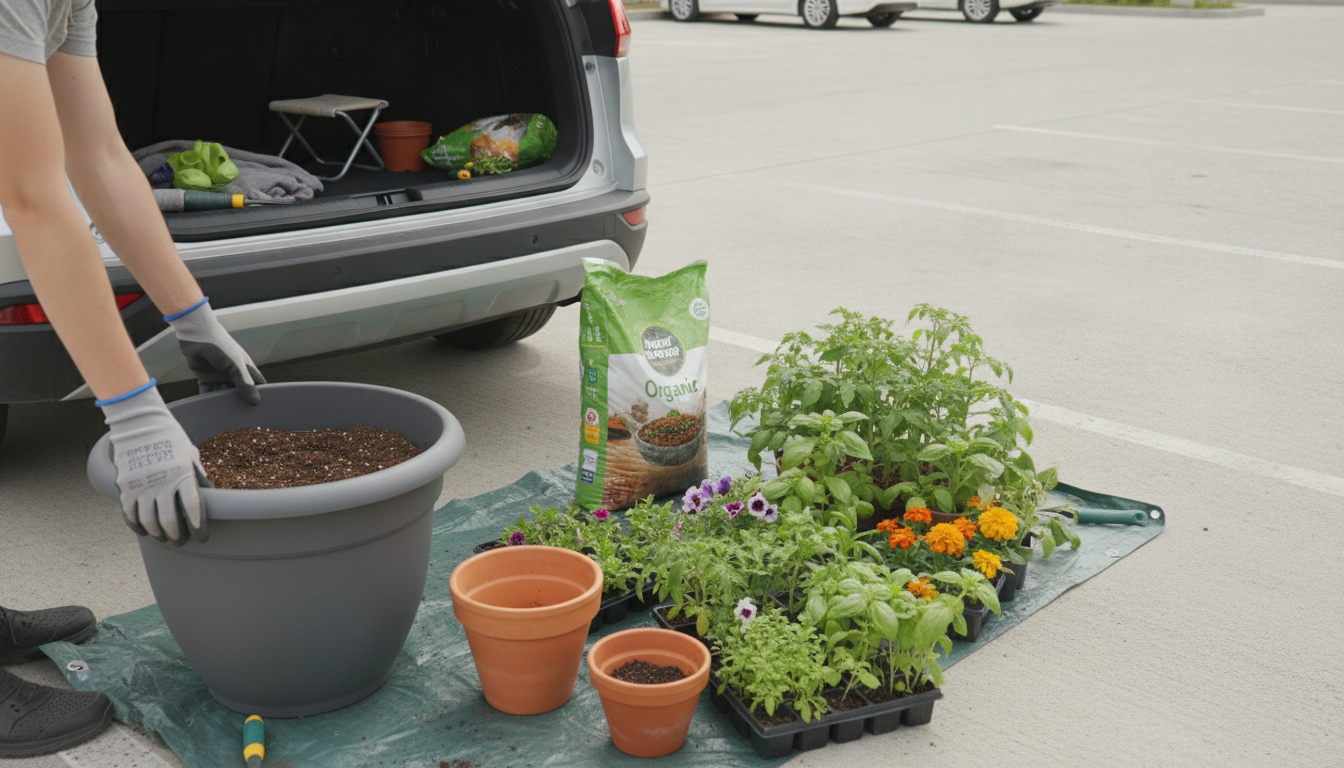
How to make a container garden step by step for beginners?
A container garden is one of the easiest ways to start growing flowers, herbs, or even veggies—no yard required. With the right pot, fresh mix, and a simple plan, beginners can get a thriving setup in a single afternoon.
Step 1: Pick the best spot first
Before buying anything, check how much sun the area gets. Most herbs and fruiting plants (like tomatoes and peppers) want 6–8 hours of direct sun, while leafy greens and many ornamentals can handle partial shade. Also make sure the spot is close to a water source.
Step 2: Choose a container with drainage
Select a pot that matches your plant’s mature size and has drainage holes. A 10–14 inch pot works well for many herbs and annual flowers; larger veggies need bigger containers. If the container has no holes, use it as a decorative cachepot and place a draining nursery pot inside.
Step 3: Use high-quality potting mix (not garden soil)
Fill the container with a lightweight potting mix made for containers. Garden soil compacts in pots and can suffocate roots. For extra moisture control, consider mixes labeled “moisture control” for hot patios or “cactus/succulent” for drought-tolerant plants.
Step 4: Plan your plant combination
Group plants with similar sunlight and watering needs. A simple formula for flowers is “thriller, filler, spiller” (one tall focal plant, a few mounding plants, and a trailing plant). For edibles, pair compatible plants like basil with tomatoes, or lettuce with green onions.
Step 5: Plant, water deeply, and mulch lightly
Plant at the same depth as the nursery pot, firm the mix gently, and water until it drains from the bottom. Add a thin layer of mulch (like fine bark) to reduce evaporation, keeping it off stems.
Step 6: Maintain weekly with quick checks
Check moisture daily in warm weather—containers dry fast. Fertilize lightly every 2–4 weeks (or follow your fertilizer label), deadhead spent blooms, and rotate pots so plants grow evenly.
For a more detailed walkthrough, container sizing tips, and plant ideas, visit this step-by-step container garden guide.
FAQ
How often should you water container plants?
Water when the top 1–2 inches of potting mix feels dry. In summer, that can mean daily watering for small pots in full sun, while larger containers in shade may only need water every few days.
Recommended for you

Best Diet for Fitness: Simple Macros & Meal Timing
Jul 11, 2026
Best Diet for Physical Fitness: Simple Fueling Guide
Jul 11, 2026











Leave a comment