-
Shop
- Advanced Technologies
- AI Skills
- Bathroom
- Best-Sellers
- Car Accessories
- Confidence
- Dating & Social Skills
- Digital Resources
- AI & Technology
- Beauty
- Budgeting & Saving
- Car Buying & Ownership
- Cozy Feast Collection
- Electronics & Technology
- Entrepreneurship & Business Growth
- Financial Education
- Financial Independence
- Financial Mindset & Psychology
- Goal Setting
- Home Styling & Organization
- Kitchen & Recipes
- Leadership
- Mindfulness
- Mindset
- Online Business
- Parenting & Child Development
- Personal Style & Fashion
- Pet Lifestyle & Wellness
- Positive Thinking
- Sleep Improvement
- Smart Life with AI
- Stress Management & Relaxation
- Travel Planning
- Wellness
- Yoga & Fitness
- Yoga & Mind-Body Practices
- Education & Learning
- Family & Parenting
- Fashion
- Accessories
- Alexander McQueen
- Bags
- Bags & Wallets
- Balenciaga
- Belts
- Blazers
- Bottega Veneta
- Bottoms
- Brunello Cucinelli
- Burberry
- Chanel
- Chloé
- Dior
- Dolce & Gabbana
- Dresses
- Etro
- Fendi
- Gucci
- Hats & Hair Accessories
- Hoodies & Sweatshirts
- Jacquemus
- Jewelry
- Jil Sander
- Kiton
- Luggage
- Miu Miu
- Off-White
- Outerwear
- Prada
- Rick Owens
- Saint Laurent
- Shoes
- Socks & Tights
- Sweaters & Cardigans
- The Row
- Tom Ford
- Tops & Shirts
- Valentino
- Valentino Garavani
- Versace
- Vivienne Westwood
- Watches
- Fashion Accessories
- Furniture
- Gadgets
- Health & Beauty
- Health & Wellness
- Home & Garden
- Home Decor
- Home Electronics
- Home Supplies
- Kids & Babies
- Kitchen
- Kitchen Best-Sellers
- Lighting
- Patio, Lawn & Garden
- Personal Growth
- Pet Care
- Pet Supplies
- Pets
- Sport & Outdoors
- Super Deals
- Travel
- Travel & Adventure
- Wealth
- Popular
- Best deals
Fear of Judgment When Speaking: Causes and Quick Fixes
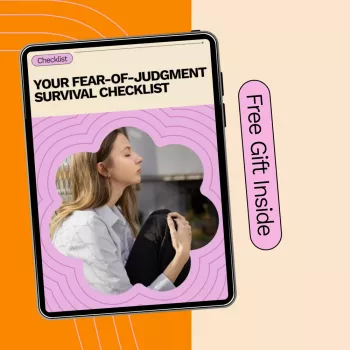
What is the fear of judgement when speaking?
The fear of judgment when speaking is a form of performance anxiety where the main worry isn’t the topic—it’s how other people will evaluate you. It can show up as dread before a meeting, a shaky voice during introductions, or a blank mind when put on the spot. The core concern is being seen as “wrong,” “awkward,” or “not good enough,” even when the stakes are small.
Why it feels so intense
Speaking activates a high-visibility moment: people are looking, listening, and reacting in real time. If past experiences included criticism, teasing, or being interrupted, the brain can treat public speaking (or even casual group talk) as a threat. That threat response can trigger physical symptoms like a racing heart, sweating, dry mouth, or tight chest—signals that can make you feel even more “exposed.”
Common thoughts behind the fear
This fear often runs on predictions and mind-reading, such as: “They’ll think I’m incompetent,” “I’ll stumble and everyone will notice,” or “If I don’t sound confident, I’ll lose respect.” Perfectionism can amplify it, creating pressure to say something flawless instead of something clear. People-pleasing can also play a role, turning every comment into a test of approval.
What helps in the moment
Small, repeatable actions can reduce the threat response. Try slowing your first sentence, exhaling longer than you inhale, and anchoring to one simple point you want to communicate. It also helps to aim for “understandable” rather than “impressive.” Afterward, reflect on what actually happened (not what you feared would happen) to retrain your expectations.
When to get a structured plan
If this fear regularly blocks you from asking questions, sharing ideas, or advocating for yourself, a step-by-step checklist can make progress feel more manageable. For a practical approach, see this guide on fear of judgment and speaking up.
FAQ
What phobia is fear of judgement?
It’s often linked to social anxiety (social phobia), where fear centers on being negatively evaluated. Some people also experience a more specific performance-focused anxiety that overlaps with public speaking fears.















Leave a comment