-
Shop
- Advanced Technologies
- AI Skills
- Bathroom
- Best-Sellers
- Car Accessories
- Confidence
- Dating & Social Skills
- Digital Resources
- AI & Technology
- Beauty
- Budgeting & Saving
- Car Buying & Ownership
- Cozy Feast Collection
- Electronics & Technology
- Entrepreneurship & Business Growth
- Financial Education
- Financial Independence
- Financial Mindset & Psychology
- Goal Setting
- Home Styling & Organization
- Kitchen & Recipes
- Leadership
- Mindfulness
- Mindset
- Online Business
- Parenting & Child Development
- Personal Style & Fashion
- Pet Lifestyle & Wellness
- Positive Thinking
- Sleep Improvement
- Smart Life with AI
- Stress Management & Relaxation
- Travel Planning
- Wellness
- Yoga & Fitness
- Yoga & Mind-Body Practices
- Education & Learning
- Family & Parenting
- Fashion
- Accessories
- Alexander McQueen
- Bags
- Bags & Wallets
- Balenciaga
- Belts
- Blazers
- Bottega Veneta
- Bottoms
- Brunello Cucinelli
- Burberry
- Chanel
- Chloé
- Dior
- Dolce & Gabbana
- Dresses
- Etro
- Fendi
- Gucci
- Hats & Hair Accessories
- Hoodies & Sweatshirts
- Jacquemus
- Jewelry
- Jil Sander
- Kiton
- Luggage
- Miu Miu
- Off-White
- Outerwear
- Prada
- Rick Owens
- Saint Laurent
- Shoes
- Socks & Tights
- Sweaters & Cardigans
- The Row
- Tom Ford
- Tops & Shirts
- Valentino
- Valentino Garavani
- Versace
- Vivienne Westwood
- Watches
- Fashion Accessories
- Furniture
- Gadgets
- Health & Beauty
- Health & Wellness
- Home & Garden
- Home Decor
- Home Electronics
- Home Supplies
- Kids & Babies
- Kitchen
- Kitchen Best-Sellers
- Lighting
- Patio, Lawn & Garden
- Personal Growth
- Pet Care
- Pet Supplies
- Pets
- Sport & Outdoors
- Super Deals
- Travel
- Travel & Adventure
- Wealth
- Popular
- Best deals
Root of Fear of Judgment: Why It Feels So Threatening

What is the root of fear of judgement?
The root of fear of judgement is a threat response: the brain treats potential social disapproval like a real risk to safety and belonging. Humans are wired to seek acceptance, so criticism, rejection, or embarrassment can feel high-stakes—even when nothing “dangerous” is actually happening.
Where it often starts
For many people, fear of judgement is learned early through experiences that connect visibility with negative outcomes. This could be being teased for speaking up, punished for mistakes, compared to others, or praised only when performing “perfectly.” Over time, the mind links being seen with getting hurt, so it tries to prevent that hurt by staying quiet, blending in, or over-preparing.
What keeps it going as an adult
Fear of judgement tends to persist because it’s reinforced by avoidance. If skipping the presentation, staying silent in a meeting, or not posting online brings immediate relief, the brain learns, “Avoidance works.” The downside is that avoidance also blocks positive evidence—supportive reactions, neutral outcomes, and the confidence that comes from surviving discomfort.
The beliefs underneath the fear
At its core, this fear is usually powered by a few sticky beliefs: “If I’m judged, I’ll be rejected,” “Mistakes mean I’m not competent,” or “People are paying close attention to my flaws.” These beliefs can amplify normal feedback into something that feels like a personal verdict. Perfectionism, people-pleasing, and high self-criticism commonly ride along with these assumptions.
A practical next step
If fear of judgement is stopping you from speaking up, start with small, low-risk reps: ask one question, share one opinion, or practice one boundary. For a quick, structured way to break the pattern, use the checklist in this guide to fear of judgment.
For Root of Fear of Judgment: Why It Feels So Threatening, the best answer depends on fit, material, care instructions, and how the product will be used day to day.
FAQ
What causes fear of judgement?
It’s often caused by past experiences of criticism, teasing, or high expectations, combined with a natural need for belonging. Avoiding situations where judgement feels possible can also strengthen the fear over time.
Recommended for you
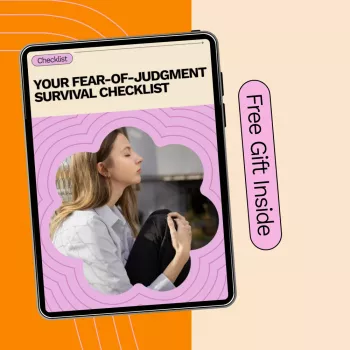


Stop Fear of Judgment: Speak Clearly With Anyone
Jul 7, 2026













Leave a comment