-
Shop
- Advanced Technologies
- AI Skills
- Bathroom
- Best-Sellers
- Car Accessories
- Confidence
- Dating & Social Skills
- Digital Resources
- AI & Technology
- Beauty
- Budgeting & Saving
- Car Buying & Ownership
- Cozy Feast Collection
- Electronics & Technology
- Entrepreneurship & Business Growth
- Financial Education
- Financial Independence
- Financial Mindset & Psychology
- Goal Setting
- Home Styling & Organization
- Kitchen & Recipes
- Leadership
- Mindfulness
- Mindset
- Online Business
- Parenting & Child Development
- Personal Style & Fashion
- Pet Lifestyle & Wellness
- Positive Thinking
- Sleep Improvement
- Smart Life with AI
- Stress Management & Relaxation
- Travel Planning
- Wellness
- Yoga & Fitness
- Yoga & Mind-Body Practices
- Education & Learning
- Family & Parenting
- Fashion
- Accessories
- Alexander McQueen
- Bags
- Bags & Wallets
- Balenciaga
- Belts
- Blazers
- Bottega Veneta
- Bottoms
- Brunello Cucinelli
- Burberry
- Chanel
- Chloé
- Dior
- Dolce & Gabbana
- Dresses
- Etro
- Fendi
- Gucci
- Hats & Hair Accessories
- Hoodies & Sweatshirts
- Jacquemus
- Jewelry
- Jil Sander
- Kiton
- Luggage
- Miu Miu
- Off-White
- Outerwear
- Prada
- Rick Owens
- Saint Laurent
- Shoes
- Socks & Tights
- Sweaters & Cardigans
- The Row
- Tom Ford
- Tops & Shirts
- Valentino
- Valentino Garavani
- Versace
- Vivienne Westwood
- Watches
- Fashion Accessories
- Furniture
- Gadgets
- Health & Beauty
- Health & Wellness
- Home & Garden
- Home Decor
- Home Electronics
- Home Supplies
- Kids & Babies
- Kitchen
- Kitchen Best-Sellers
- Lighting
- Patio, Lawn & Garden
- Personal Growth
- Pet Care
- Pet Supplies
- Pets
- Sport & Outdoors
- Super Deals
- Travel
- Travel & Adventure
- Wealth
- Popular
- Best deals
Stop Fear of Judgment: Speak Clearly With Anyone

How to overcome the fear of judgement when talking to people?
Fear of judgment gets louder when the goal is “be impressive.” A faster way forward is to shift the goal to “be clear and present.” Start small: choose one low-stakes interaction a day (a cashier, coworker, or neighbor) and practice a simple opener plus one follow-up question. Consistency beats intensity.
1) Name the story you’re telling yourself
Before you speak, quickly label the thought: “They’ll think I’m awkward,” “I’ll sound dumb,” or “I’ll be rejected.” Naming it turns it from a fact into a prediction. Then replace it with a neutral alternative: “Some people may not click with me, and that’s normal.”
2) Use a “two-second pause” rule
When anxiety spikes, the urge is to rush or over-explain. Pause for two seconds before responding. This slows your nervous system, makes you sound more confident, and gives you time to choose your next sentence instead of reacting.
3) Make the other person the center
Judgment fear thrives on self-monitoring. Switch to curiosity: ask one specific question (“How did you get into that?”) and reflect back one detail (“So you started during college?”). People remember how you made them feel, not perfect phrasing.
4) Try “good enough” speaking
Set a simple standard: one point per sentence. If you stumble, keep going without apologizing. Most listeners interpret a small stumble as human, not incompetent.
5) Do micro-exposures on purpose
Pick tiny challenges: make one comment in a meeting, give a sincere compliment, or start one short chat. Afterward, write down what actually happened versus what you feared. This trains your brain with evidence instead of guesses.
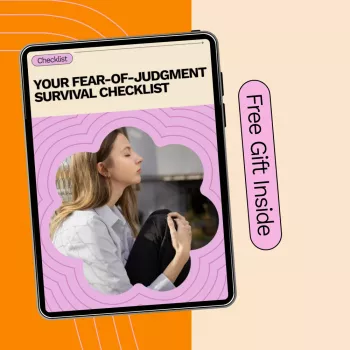
For a quick, practical checklist you can use before speaking up, see the full guide here: https://bestsellis.com/guide-fear-of-judgment-10-minute-checklist-speak-up/.
FAQ
What is the fear of judgement when speaking?
It’s a form of social anxiety where you expect negative evaluation—like sounding “stupid,” being rejected, or being seen as awkward—so you avoid speaking, overthink every word, or freeze mid-conversation.















Leave a comment