-
Shop
- Advanced Technologies
- AI Skills
- Bathroom
- Best-Sellers
- Car Accessories
- Confidence
- Dating & Social Skills
- Digital Resources
- AI & Technology
- Beauty
- Budgeting & Saving
- Car Buying & Ownership
- Cozy Feast Collection
- Electronics & Technology
- Entrepreneurship & Business Growth
- Financial Education
- Financial Independence
- Financial Mindset & Psychology
- Goal Setting
- Home Styling & Organization
- Kitchen & Recipes
- Leadership
- Mindfulness
- Mindset
- Online Business
- Parenting & Child Development
- Personal Style & Fashion
- Pet Lifestyle & Wellness
- Positive Thinking
- Sleep Improvement
- Smart Life with AI
- Stress Management & Relaxation
- Travel Planning
- Wellness
- Yoga & Fitness
- Yoga & Mind-Body Practices
- Education & Learning
- Family & Parenting
- Fashion
- Accessories
- Alexander McQueen
- Bags
- Bags & Wallets
- Balenciaga
- Belts
- Blazers
- Bottega Veneta
- Bottoms
- Brunello Cucinelli
- Burberry
- Chanel
- Chloé
- Dior
- Dolce & Gabbana
- Dresses
- Etro
- Fendi
- Gucci
- Hats & Hair Accessories
- Hoodies & Sweatshirts
- Jacquemus
- Jewelry
- Jil Sander
- Kiton
- Luggage
- Miu Miu
- Off-White
- Outerwear
- Prada
- Rick Owens
- Saint Laurent
- Shoes
- Socks & Tights
- Sweaters & Cardigans
- The Row
- Tom Ford
- Tops & Shirts
- Valentino
- Valentino Garavani
- Versace
- Vivienne Westwood
- Watches
- Fashion Accessories
- Furniture
- Gadgets
- Health & Beauty
- Health & Wellness
- Home & Garden
- Home Decor
- Home Electronics
- Home Supplies
- Kids & Babies
- Kitchen
- Kitchen Best-Sellers
- Lighting
- Patio, Lawn & Garden
- Personal Growth
- Pet Care
- Pet Supplies
- Pets
- Sport & Outdoors
- Super Deals
- Travel
- Travel & Adventure
- Wealth
- Popular
- Best deals
Dog Teeth Plaque: Safe Home Care vs Tartar Scraping
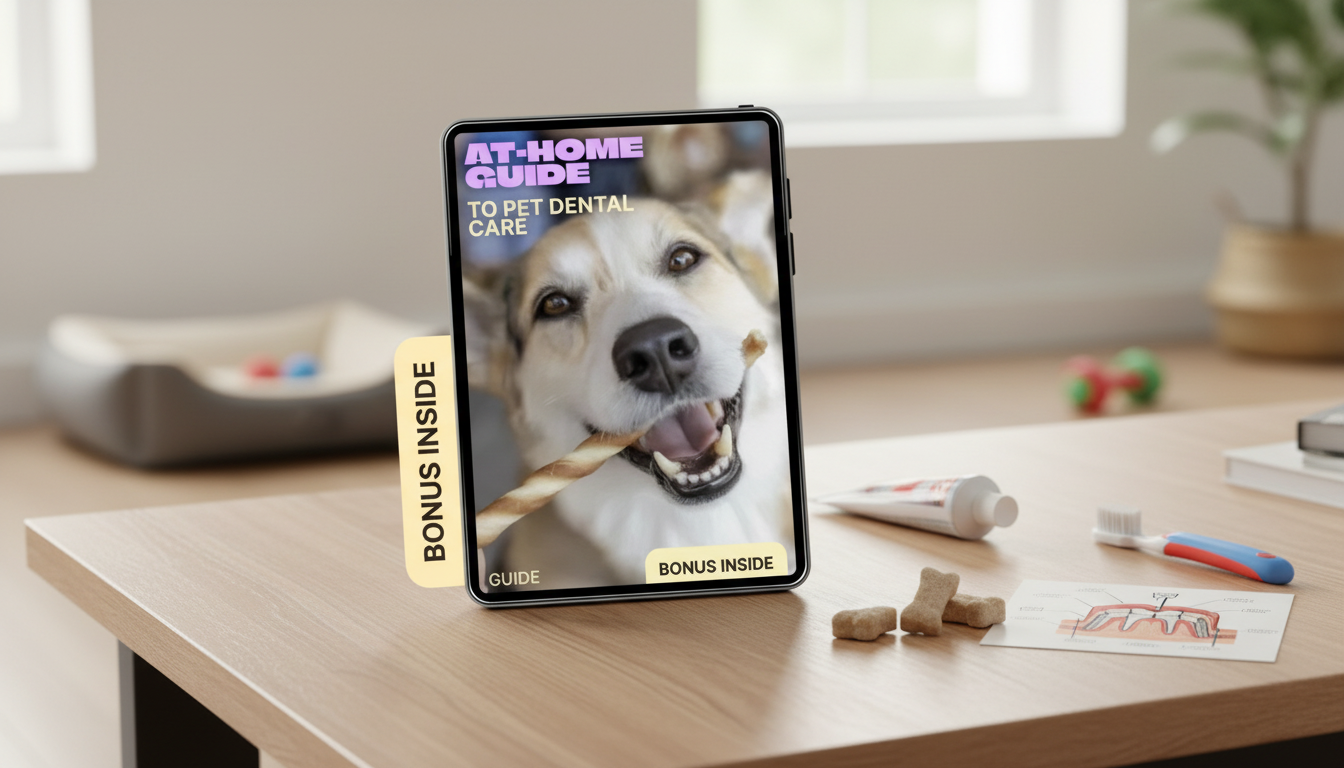
Can you scrape plaque off a dog’s teeth at home?
You can remove some soft plaque at home, but scraping hardened buildup (tartar) off a dog’s teeth is risky without proper tools, training, and a calm, controlled patient. At-home scraping can injure gums, chip teeth, or push bacteria under the gumline—problems that may be painful and can worsen dental disease. When tartar is present, the safest and most effective option is a veterinary dental cleaning, often including cleaning below the gumline.
What’s safe to do at home?
Home care works best when plaque is still soft. Daily or near-daily brushing with a dog-specific toothbrush (or finger brush) and dog-safe toothpaste is the most reliable method. Dental wipes, enzymatic toothpaste, and approved dental chews can also help slow plaque accumulation. Consistency matters more than force—gentle, regular cleaning beats occasional aggressive attempts.
Why scraping tartar can be dangerous
Tartar is calcified plaque that adheres tightly to the tooth. Trying to “pick” it off can leave sharp edges, damage enamel, or cut the gum tissue, which may lead to infection. Even if you manage to remove visible tartar, you can’t safely address buildup under the gumline at home, which is where periodontal disease progresses.
Signs your dog needs a vet dental visit
Bad breath that returns quickly, red or bleeding gums, visible brown/yellow crust near the gumline, pawing at the mouth, dropping food, or one-sided chewing are common warning signs. Some dogs still eat normally despite painful dental disease, so visible tartar and gum inflammation are enough reason to schedule an exam.
Best next step
If you’re seeing stubborn buildup, start with a veterinary checkup and follow a home-care plan afterward to maintain results. For deeper guidance and practical options, see the full guide here: https://bestsellis.com/can-you-scrape-plaque-off-a-dog-s-teeth-at-home/.
FAQ
How often should I brush my dog’s teeth?
Aim for daily brushing, but 3–4 times per week can still make a noticeable difference. Use dog-safe toothpaste and gentle circular motions along the gumline, building up duration gradually if your dog is new to brushing.















Leave a comment