-
Shop
- Advanced Technologies
- AI Skills
- Bathroom
- Best-Sellers
- Car Accessories
- Confidence
- Dating & Social Skills
- Digital Resources
- AI & Technology
- Beauty
- Budgeting & Saving
- Car Buying & Ownership
- Cozy Feast Collection
- Electronics & Technology
- Entrepreneurship & Business Growth
- Financial Education
- Financial Independence
- Financial Mindset & Psychology
- Goal Setting
- Home Styling & Organization
- Kitchen & Recipes
- Leadership
- Mindfulness
- Mindset
- Online Business
- Parenting & Child Development
- Personal Style & Fashion
- Pet Lifestyle & Wellness
- Positive Thinking
- Sleep Improvement
- Smart Life with AI
- Stress Management & Relaxation
- Travel Planning
- Wellness
- Yoga & Fitness
- Yoga & Mind-Body Practices
- Education & Learning
- Family & Parenting
- Fashion
- Accessories
- Alexander McQueen
- Bags
- Bags & Wallets
- Balenciaga
- Belts
- Blazers
- Bottega Veneta
- Bottoms
- Brunello Cucinelli
- Burberry
- Chanel
- Chloé
- Dior
- Dolce & Gabbana
- Dresses
- Etro
- Fendi
- Gucci
- Hats & Hair Accessories
- Hoodies & Sweatshirts
- Jacquemus
- Jewelry
- Jil Sander
- Kiton
- Luggage
- Miu Miu
- Off-White
- Outerwear
- Prada
- Rick Owens
- Saint Laurent
- Shoes
- Socks & Tights
- Sweaters & Cardigans
- The Row
- Tom Ford
- Tops & Shirts
- Valentino
- Valentino Garavani
- Versace
- Vivienne Westwood
- Watches
- Fashion Accessories
- Furniture
- Gadgets
- Health & Beauty
- Health & Wellness
- Home & Garden
- Home Decor
- Home Electronics
- Home Supplies
- Kids & Babies
- Kitchen
- Kitchen Best-Sellers
- Lighting
- Patio, Lawn & Garden
- Personal Growth
- Pet Care
- Pet Supplies
- Pets
- Sport & Outdoors
- Super Deals
- Travel
- Travel & Adventure
- Wealth
- Popular
- Best deals
Smart Pantry Guide: How It Works and What to Buy
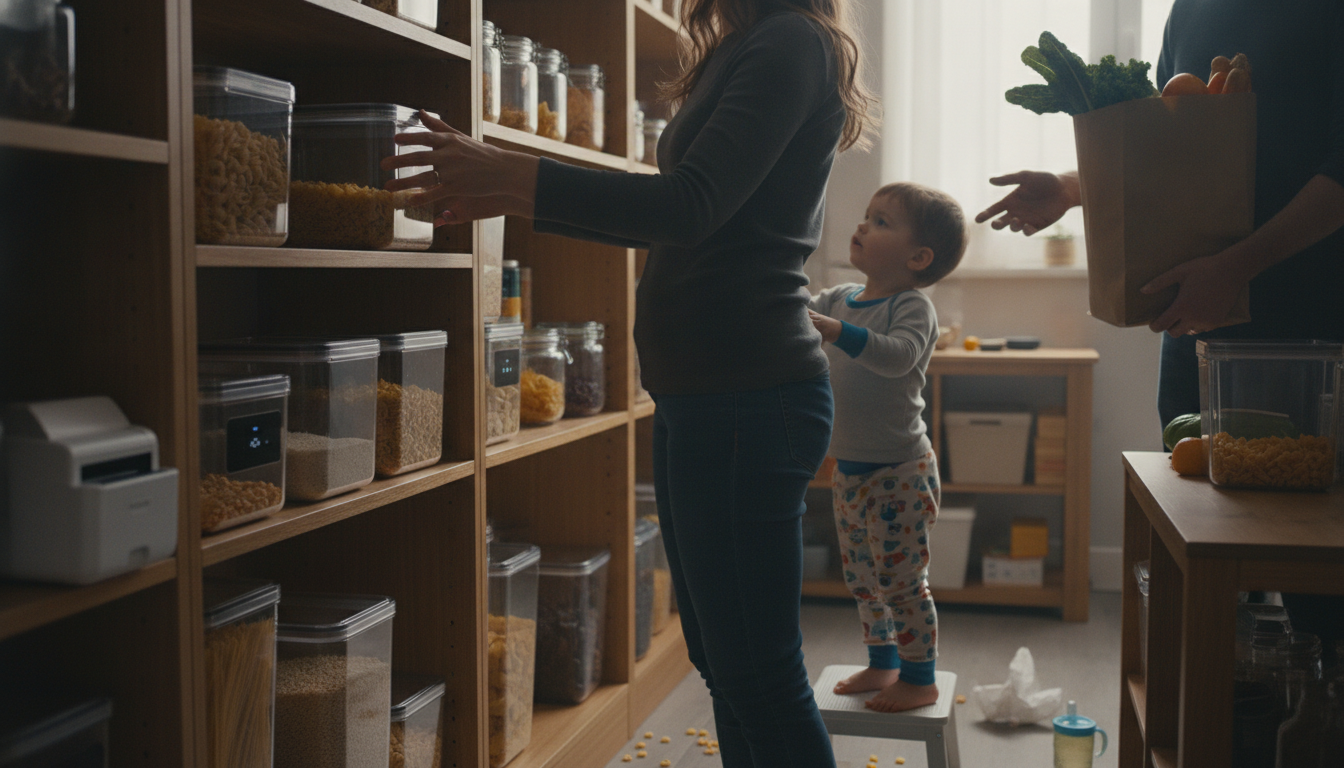
Is there a smart pantry?
Yes—there are “smart pantry” setups, but they don’t usually come as one single appliance called a smart pantry. Instead, a smart pantry is a combination of connected containers, labels, scales, and apps that help track what you have, how much is left, and when items are running low or nearing expiration. The goal is simple: fewer surprise “out of stock” moments and less food waste.
What a smart pantry looks like in real life
Most smart pantry systems fall into a few practical categories:
- Smart containers and lids: Some include built-in sensors that can estimate remaining quantity or prompt reorders.
- Smart scales: A compact scale under a jar or bin can track weight changes over time—useful for staples like rice, coffee, flour, and pet food.
- Barcode or label-based tracking: Scanning items into an inventory app (or using QR labels) can maintain a running list and shopping reminders.
- Expiration and rotation helpers: Apps can flag items that have been sitting too long and encourage first-in, first-out storage habits.
Benefits for busy kitchens
A smart pantry can make everyday cooking and shopping more predictable. Automatic “low stock” notifications help prevent last-minute grocery runs. Inventory visibility can reduce duplicate purchases (like buying another jar of peanut butter when two are already behind the cereal). Some setups also help with meal planning by making it easier to see what needs to be used soon.
What to consider before buying
Not every kitchen needs full automation. If you rarely buy in bulk, a simple scanning app might be enough. For households that go through large quantities of staples, a scale-based approach can be more accurate and less work than manual check-ins. Also consider where your pantry lives—Wi‑Fi reliability, available outlets, and whether you want an app that integrates with grocery lists or voice assistants.
For a deeper breakdown of what counts as a smart pantry and how people set one up at home, visit the full guide: https://bestsellis.com/is-there-a-smart-pantry/.
FAQ
What features should I look for in a smart pantry system?
Prioritize reliable tracking (scales or consistent scanning), easy shopping list exports, and alerts for low stock or expiration. Choose options that fit your pantry space and won’t require constant manual upkeep.
Recommended for you


How to Ask Family for Financial Help Without Drama
Jun 28, 2026













Leave a comment