-
Shop
- Advanced Technologies
- AI Skills
- Bathroom
- Best-Sellers
- Car Accessories
- Confidence
- Dating & Social Skills
- Digital Resources
- AI & Technology
- Beauty
- Budgeting & Saving
- Car Buying & Ownership
- Cozy Feast Collection
- Electronics & Technology
- Entrepreneurship & Business Growth
- Financial Education
- Financial Independence
- Financial Mindset & Psychology
- Goal Setting
- Home Styling & Organization
- Kitchen & Recipes
- Leadership
- Mindfulness
- Mindset
- Online Business
- Parenting & Child Development
- Personal Style & Fashion
- Pet Lifestyle & Wellness
- Positive Thinking
- Sleep Improvement
- Smart Life with AI
- Stress Management & Relaxation
- Travel Planning
- Wellness
- Yoga & Fitness
- Yoga & Mind-Body Practices
- Education & Learning
- Family & Parenting
- Fashion
- Accessories
- Alexander McQueen
- Bags
- Bags & Wallets
- Balenciaga
- Belts
- Blazers
- Bottega Veneta
- Bottoms
- Brunello Cucinelli
- Burberry
- Chanel
- Chloé
- Dior
- Dolce & Gabbana
- Dresses
- Etro
- Fendi
- Gucci
- Hats & Hair Accessories
- Hoodies & Sweatshirts
- Jacquemus
- Jewelry
- Jil Sander
- Kiton
- Luggage
- Miu Miu
- Off-White
- Outerwear
- Prada
- Rick Owens
- Saint Laurent
- Shoes
- Socks & Tights
- Sweaters & Cardigans
- The Row
- Tom Ford
- Tops & Shirts
- Valentino
- Valentino Garavani
- Versace
- Vivienne Westwood
- Watches
- Fashion Accessories
- Furniture
- Gadgets
- Health & Beauty
- Health & Wellness
- Home & Garden
- Home Decor
- Home Electronics
- Home Supplies
- Kids & Babies
- Kitchen
- Kitchen Best-Sellers
- Lighting
- Patio, Lawn & Garden
- Personal Growth
- Pet Care
- Pet Supplies
- Pets
- Sport & Outdoors
- Super Deals
- Travel
- Travel & Adventure
- Wealth
- Popular
- Best deals
How to Ask Family for Money in an Emergency (Without Drama)

A sudden bill, job disruption, or medical cost can force a difficult conversation with family. A clear plan reduces confusion, lowers tension, and makes it easier for relatives to help without resentment. Use the steps below to prepare, ask respectfully, agree on terms, and follow through—so the emergency gets handled and trust stays intact.
Decide if family is the right option
Before you bring money into a relationship, get specific about what’s happening and what you truly need. Clarity protects everyone—especially when emotions are running high.
- Clarify the emergency: What must be paid, by when, and what happens if it’s late (fees, shutoff, eviction risk, health consequences)?
- Check alternatives first: Ask about employer advances, hardship plans from the provider, community assistance, 0% APR promotions, or negotiating due dates. Helpful starting points include USA.gov’s help with bills and the Consumer Financial Protection Bureau.
- Consider relationship dynamics: If money has caused conflict before, it may be healthier to approach a different relative—or avoid family borrowing entirely.
- Set a maximum ask: Choose a specific amount that solves the urgent problem without creating long-term dependency.
Prepare before the conversation
Preparation makes the ask feel like a plan—not a crisis you’re handing off. Aim for “calm and concrete,” even if you don’t feel calm yet.
- Write a one-page summary: Amount needed, reason, deadline, and an itemized plan for how funds will be used.
- Gather proof where appropriate: A bill screenshot or notice can build confidence. Share only what’s necessary (for example, crop account numbers).
- Build a realistic repayment plan: Dates, amounts, payment method, and what changes if income is delayed.
- Decide what you’re asking for: A gift, a no-interest loan, or a low-interest loan. Avoid leaving it vague.
- Plan boundaries: Decide what you won’t accept—shaming, spreading your situation, or control over unrelated decisions.
Emergency ask planner (fill in before reaching out)
| Item | Your details |
|---|---|
| Urgent expense + due date | ______ |
| Total amount needed | ______ |
| Amount already available | ______ |
| Exact amount requested | ______ |
| What the money will pay for | ______ |
| Repayment type (gift/loan) | ______ |
| Repayment schedule | ______ |
| Back-up plan if repayment is delayed | ______ |
Choose the right person and the right moment
Who you ask (and when) can matter as much as what you ask for. The goal is a private, respectful conversation with someone who can stay steady.
- Start with the person most likely to respond calmly and privately, not necessarily the wealthiest.
- Avoid family gatherings and high-stress moments (holidays, birthdays, after bad news).
- Give a small heads-up: “Could we talk for 10 minutes tonight? I’m dealing with something time-sensitive.”
- If multiple relatives might contribute, decide whether to ask individually or coordinate one conversation with clear roles.
How to make the ask without damaging trust
A strong request sounds like this: brief situation, specific number, clear deadline, and proof that you’re actively managing the problem.
- Open with clarity: State the emergency in one or two sentences, then share the amount and the deadline.
- Show responsibility: Mention what you’ve already done (cut expenses, called the provider, applied for assistance, requested a payment plan).
- Offer options: Partial help, paying the bill directly, or helping you avoid fees can all be “wins.”
- Invite a decision without pressure: Ask for a response by a reasonable time so you can activate other plans.
- Answer questions directly: Keep your tone steady. You can be honest without over-explaining.
A simple script to use on a call
| Part | Example wording |
|---|---|
| Situation | “I’m dealing with an urgent bill that’s due on Friday.” |
| Specific ask | “Could you help with $300 so I can keep it current?” |
| How it will be used | “It would go directly to the electric bill; I can send the statement.” |
| Terms | “I can repay $100 on the 1st of each month for three months.” |
| No-pressure close | “If it’s not possible, I understand—could you let me know by tomorrow afternoon so I can set up another plan?” |
Agree on terms and put it in writing
Misunderstandings happen when one person thinks it’s a gift and the other thinks it’s a loan. A simple written agreement is a kindness, not a cold move.
Quick loan agreement checklist (informal)
| Term | Decision |
|---|---|
| Total amount | ______ |
| Loan or gift | ______ |
| Repayment start date | ______ |
| Repayment amounts + frequency | ______ |
| Payment method (Zelle, bank transfer, cash) | ______ |
| What happens if a payment is late | ______ |
If the answer is no (or not enough)
Follow through: repay, update, and repair the emotional impact
A guided approach for tough family money conversations
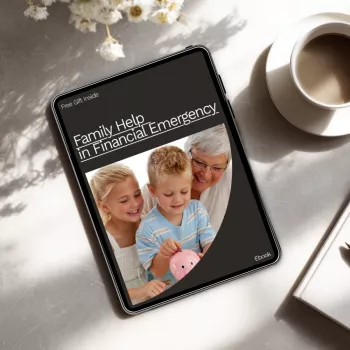
If you want a structured walkthrough with scripts, boundaries, and repayment prompts, this resource can help you stay clear and respectful when it matters most: Family Help in Financial Emergency – A Step-by-Step Guide on How to Ask Family for Money in an Emergency.
If your emergency is tied to a small business cash-flow disruption, tightening payment operations can reduce future crunches. A practical read for comparing tools is Choosing the Right Payment Solution for Your Business: Stripe vs Square Which Is Better – Complete eBook Guide for Small Business Owners.
FAQ
How to ask family for financial help?
Prepare a specific amount and deadline, explain what you’ve already tried, and be clear about whether you’re requesting a gift or a loan. Close with a no-pressure request for a decision by a certain time so you can pursue other options if needed.
How to ask family for money via text?
Keep it short and direct: briefly name the emergency, state the exact amount and due date, and share how the money will be used. Include clear terms (gift or repayment plan) and an easy out, such as offering to talk by phone if they prefer.
Recommended for you


Who Can Help With Family Problems? Support Options
Jun 28, 2026













Leave a comment